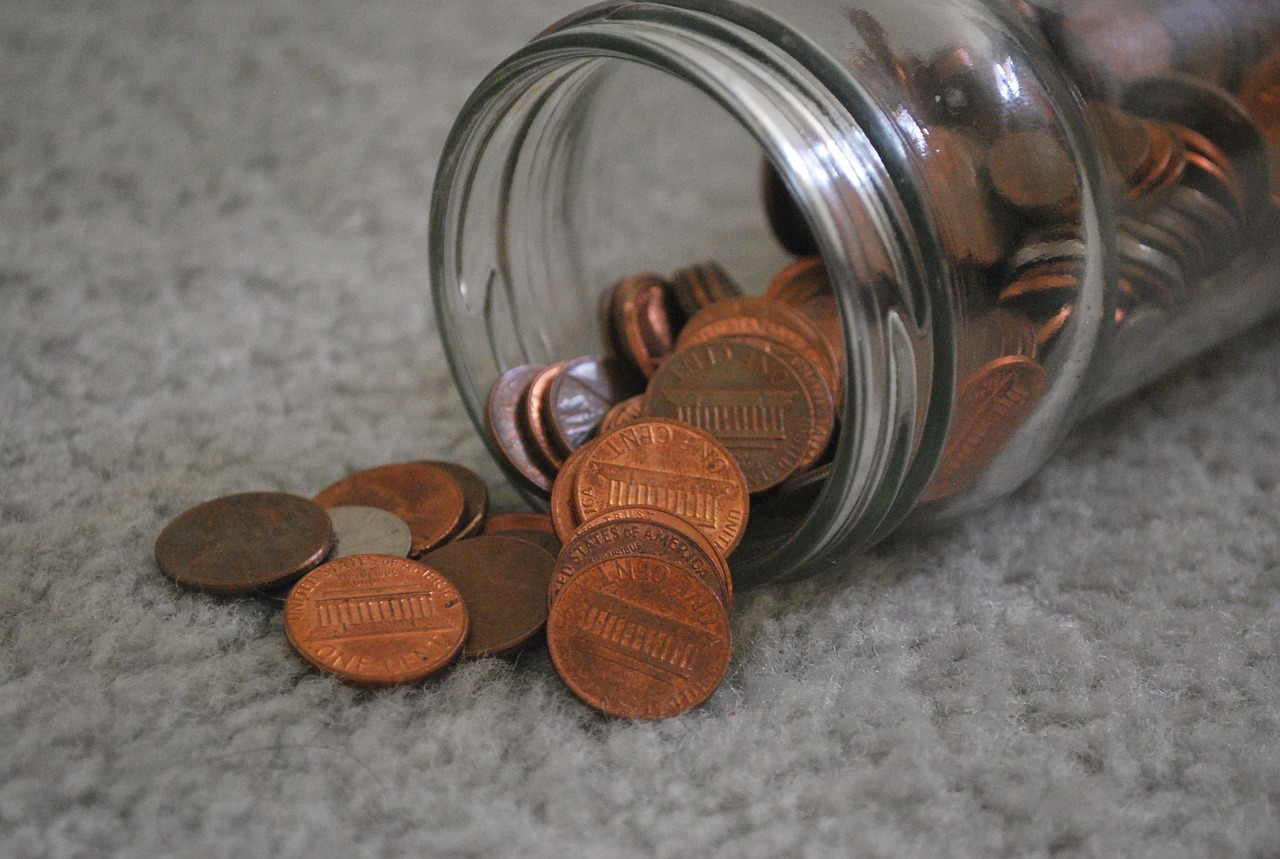
The disaster most likely to strike your family this year is not a storm or a blackout. It is a bill you did not expect: a car repair, a medical charge, a stretch without a paycheck. For a household with no cushion, any one of these can trigger a spiral of debt that does more lasting harm than most natural disasters. The emergency fund is the single most important preparedness tool almost nobody thinks of as preparedness, and building one is the most valuable financial move you will ever make.
Why cash beats almost everything
Preppers will happily spend a thousand dollars on gear while carrying no financial cushion at all, which is exactly backwards. An emergency fund is the most flexible survival supply there is: it handles the job loss, the broken furnace, the emergency trip, and the surprise bill, none of which a bucket of freeze-dried food can touch. It converts a crisis into an inconvenience. Before the gold, before the gadgets, before nearly anything else, comes a boring bank balance you can reach in a hurry.
Start with one thousand dollars, fast
The full goal of three to six months of expenses feels so distant that many people never begin. So do not start there. Make your first target a small starter fund, often about one thousand dollars, and build it as quickly as you can. This starter cushion alone stops the majority of everyday financial shocks from becoming debt, and hitting it early gives you the momentum and the proof that you can do this. Once it is in place, you build toward the larger goal steadily. The trick is to make the first milestone small enough that you actually reach it.
How much you actually need
The fund grows in two clear stages, and separating them is what makes the whole thing feel possible instead of hopeless.
| Stage | Target | Job |
|---|---|---|
| Starter fund | About $1,000 (or one modest paycheck) | Absorbs the common surprise: a car or appliance repair, a co-pay, a broken phone |
| Full fund | 3 to 6 months of essential expenses | Carries you through job loss or a long crisis without borrowing |
To size the full fund, add up only the essentials you would still have to pay if your income stopped: housing, utilities, food, insurance, transportation, and minimum debt payments. Multiply by three for a stable two-income household, and lean toward six months if you have a single income, unstable work, or dependents. Do not pad it with restaurants and subscriptions; this is a bare-survival number, not your normal lifestyle.
How to build it, even on a tight budget
An emergency fund is built the same way regardless of income: by directing small, consistent amounts into it until it grows. The specific moves that work:
- Automate it. Set up an automatic transfer into a separate savings account every payday, even a small one. Money you never see is money you do not spend, and automation removes the willpower from the equation.
- Start with any amount. Twenty or fifty dollars a paycheck feels trivial, but it builds the habit and the balance. The habit matters more than the amount at first.
- Feed it windfalls. Tax refunds, bonuses, gifts, and the proceeds of selling things you do not need can jump your fund forward.
- Redirect freed-up money. When you finish paying off a debt or cancel a subscription, send that former payment straight into the fund.
This is where a simple budget that tracks income and expenses earns its keep, because it shows you exactly where the money to save is hiding.
Where to keep it
An emergency fund has one job, to be there instantly when you need it, so how you store it matters. Keep it somewhere safe, separate, and quickly accessible: a dedicated high-yield savings account works well, ideally one slightly out of easy reach so you are not tempted to raid it for non-emergencies, but not locked into anything with penalties or delays. Do not invest your emergency fund in anything that can drop in value or take time to access, because the whole point is guaranteed availability the day disaster strikes. Alongside the account, keep some physical cash at home for the emergencies where the power and the card readers are down.
Know what counts as an emergency
A fund only works if you protect it. A true emergency is urgent, necessary, and unexpected: a job loss, a medical need, a critical car or home repair. A holiday, a sale, or a known annual bill is none of those. For expenses you can see coming, property taxes, insurance premiums, the predictable furnace replacement, build a separate small sinking fund and save toward them on purpose, so they never have to raid the emergency cushion. Guarding the line between the two is what keeps the fund full for the day it truly matters.
It is the base of the whole money pyramid
The emergency fund is the foundation layer of financial preparedness, the piece everything else is built on top of. Only once it is solid does it make sense to move up to killing high-interest debt, deepening the fund to several months of expenses, and eventually diversifying into other assets. That full progression is laid out in the preparedness money pyramid, and the same base-before-tip logic that governs storing water before buying gear applies exactly here. And if money is tight enough that even this feels hard, the mindset in prepping on a budget shows how small, steady steps still add up.
Quick questions
How fast can I realistically build the starter fund? Faster than you think once you make it the only financial goal for a stretch. Fifty dollars a week reaches one thousand in about five months; add a single windfall like a tax refund and you may get there in one step. Speed early builds the momentum that carries the rest.
Should I build the fund or invest in the market instead? The emergency fund comes first. Investments can fall in value and take days to sell, which defeats the purpose of money that must be there instantly. Once the fund is solid, longer-term investing is the next layer up.
Emergency fund, condensed
- It is the most flexible preparedness tool there is. Build it before the gear.
- Hit a small starter goal first, around one thousand dollars, as fast as you can.
- Size the full fund at 3 to 6 months of bare essential expenses.
- Automate transfers, start with any amount, and feed it every windfall.
- Keep it safe, separate, and instantly accessible, plus some cash at home.
This is general educational information, not financial advice. For choices specific to your income, debts, and goals, consult a qualified financial professional.
An emergency fund will never be exciting, and that is precisely its power. While others scramble and borrow when the surprise bill lands, the family with a cushion simply absorbs it and moves on. Build that cushion, one automatic transfer at a time, and you have prepared for the single most likely emergency there is, the one that arrives not with sirens but with an envelope.