A home emergency kit is the physical answer to a simple question: if the power, water, and stores all stopped tomorrow, could your family stay safe and comfortable for two weeks without leaving the house? Most people assume they could, then discover during the first real outage that their flashlight batteries are dead, their only water is in the pipes, and dinner requires a stove they cannot run. A kit fixes all of that in advance. Here is how to build one that actually works, organized the way your body prioritizes needs.
Build it in the order that matters
Do not shop from a random checklist. Build your kit in priority order, so that even a half-finished kit covers the things most likely to hurt you first.
| Priority | Category | Core items |
|---|---|---|
| 1 | Water | Two weeks stored, plus a filter and plain bleach |
| 2 | Food | Two weeks shelf-stable, no-cook favored, manual can opener |
| 3 | Light and power | One light per person, phone charging capability |
| 4 | Warmth and shelter | Blankets, layers, hand warmers |
| 5 | First aid and meds | Real kit, 2-4 week prescription buffer |
| 6 | Information/documents/cash | Radio, sealed document copies, small bills |
| 7 | Sanitation and tools | Trash bags, bucket toilet, basic tool set |
Water, first and most
One gallon per person per day, two weeks deep. Store it, and keep a way to make more. The full method is in our water and food storage guide, but for the kit itself, the non-negotiable pieces are stored water plus a filter and a small bottle of plain unscented bleach for treating more.
Food that needs no power
Two weeks of shelf-stable food your family actually eats, plus a manual can opener. Favor items that need no cooking, because your stove may be down and you must never run a fuel burner indoors.
Light and power
One light per person so no one is left in the dark, plus spare batteries or, better, rechargeable lights that need none. Add a way to keep a phone alive, because in an emergency your phone is your radio, map, and lifeline all at once.
Keep the lights and phones on


Affiliate note: buy through these links and ThisTracks may earn a small commission at no extra cost to you. We only list gear that is in stock and that we would carry ourselves.
Warmth and shelter
Reflective emergency blankets, warm layers, and hand warmers for a winter outage. If you lose heat, staying warm becomes the most urgent thing in the house, so treat this seriously even if you live somewhere mild.
First aid and medications
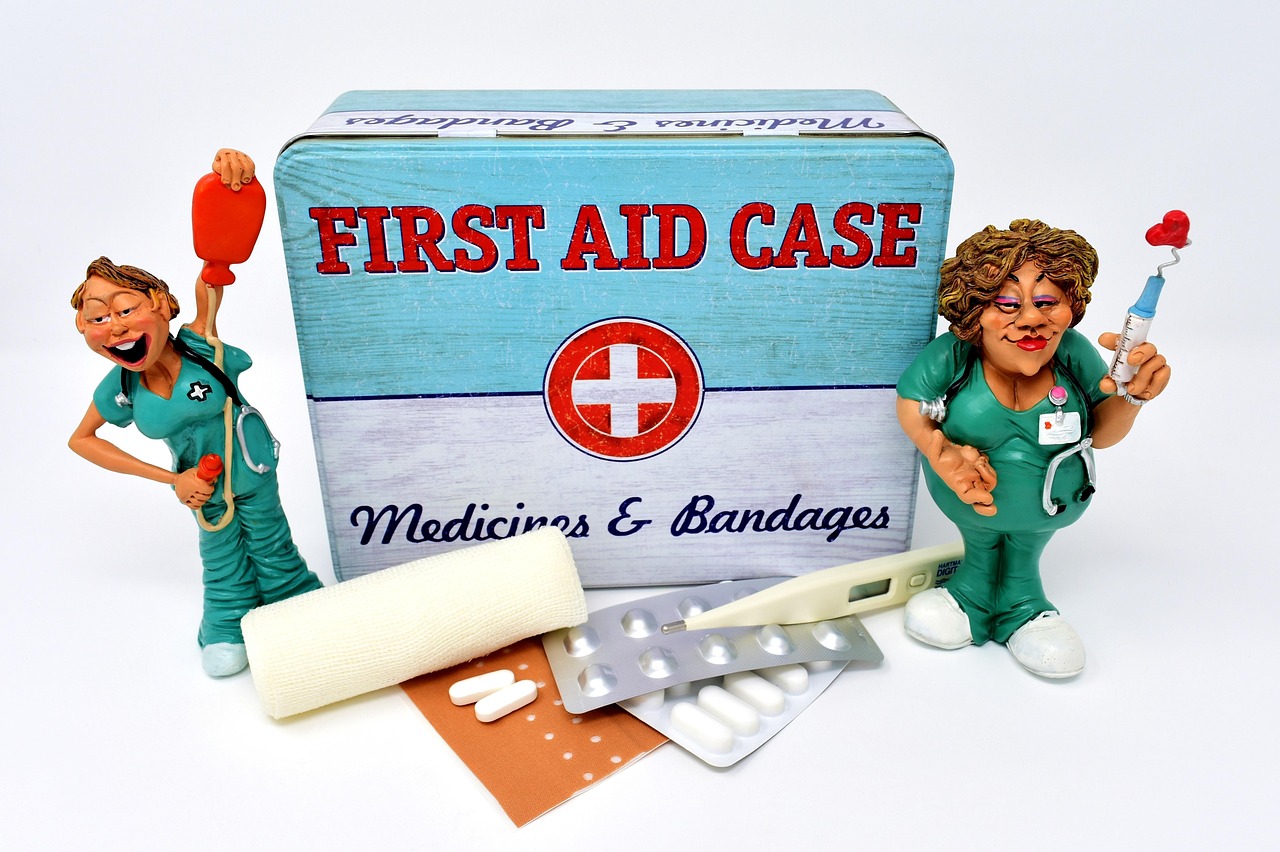
A genuinely stocked kit, not a drugstore tin of bandages, plus a two to four week buffer of any prescriptions your family relies on. Medical needs do not pause during a disaster; they get harder to meet.
The medical core

Affiliate note: buy through this link and ThisTracks may earn a small commission at no extra cost to you. We only list gear that is in stock and that we would carry ourselves.
Information, documents, and cash
A battery or hand-crank radio for official instructions when networks fail. Copies of key documents (identification, insurance, medical, and account information) sealed in a waterproof bag. And cash in small bills, because card readers and ATMs die with the grid.
Sanitation and tools
If the water stops, so do the toilets. Heavy trash bags, a bucket, hygiene supplies, and disinfectant prevent the disease that follows failed sanitation. Add a basic tool set, work gloves, duct tape, and a whistle.
One kit, or two?
Build the home kit to shelter in place, then keep a smaller, portable go-bag by the door for when you have to leave fast. The home kit is your two weeks of staying; the go-bag is your first three days of leaving. Do not confuse them, and do not let the fun of packing a go-bag distract you from the boring home kit that covers far more situations.
Store it where you can reach it in the dark
A perfect kit in an attic you cannot reach during an earthquake is useless. Keep it together, in a known place, low enough to grab without a ladder, and tell every adult and older child where it is. Check it twice a year, rotate the food and water, test the lights, and replace anything expired. A kit is a living thing, not a one-time purchase.
Container options worth considering
What you store everything in matters more than beginners expect. A large plastic storage tote with a locking lid keeps out moisture and pests while staying easy to carry to a safe room if needed. Some households split the kit into smaller labeled bins by category, water, food, medical, tools, which makes finding a specific item in the dark or under stress faster than digging through one giant container. Whatever you choose, avoid cardboard boxes, which degrade with any moisture and cannot be quickly moved if you need to shelter in a different room.
Common questions
How much does a complete two-week kit typically cost to build?
Built gradually over a few months using normal grocery trips and sales, most of the food and water portion costs very little beyond what a family already spends on groceries. The specialty items, a real first aid kit, lighting, and a filter, typically run somewhere in the range of $150 to $300 total depending on how much you already own, spread out however your budget allows.
Does an apartment-dwelling family need the same kit as a homeowner?
The core categories are identical, but quantities and storage adapt to available space, as covered in our apartment prepping guide. A smaller footprint does not mean a smaller kit, just a more compact one.
What is the single most common thing people forget to include?
A can opener and cash, consistently. Both are cheap, easy to overlook, and genuinely disruptive to be without: a stack of canned food is useless without a way to open it, and card readers routinely fail during exactly the outages a kit is built for.
The home kit, in priority order
- Water and a filter, then food and a can opener.
- Light and phone power, then warmth for a winter outage.
- A real first aid kit and a buffer of prescriptions.
- Radio, documents, and cash. Sanitation supplies and basic tools.
- Store it low, known, and reachable. Check it twice a year.
Build this once and you have removed most of the fear from most emergencies. A family that can drink, eat, see, stay warm, treat an injury, and hear the news for two weeks is a family that stays calm while others panic. That calm is the entire payoff.