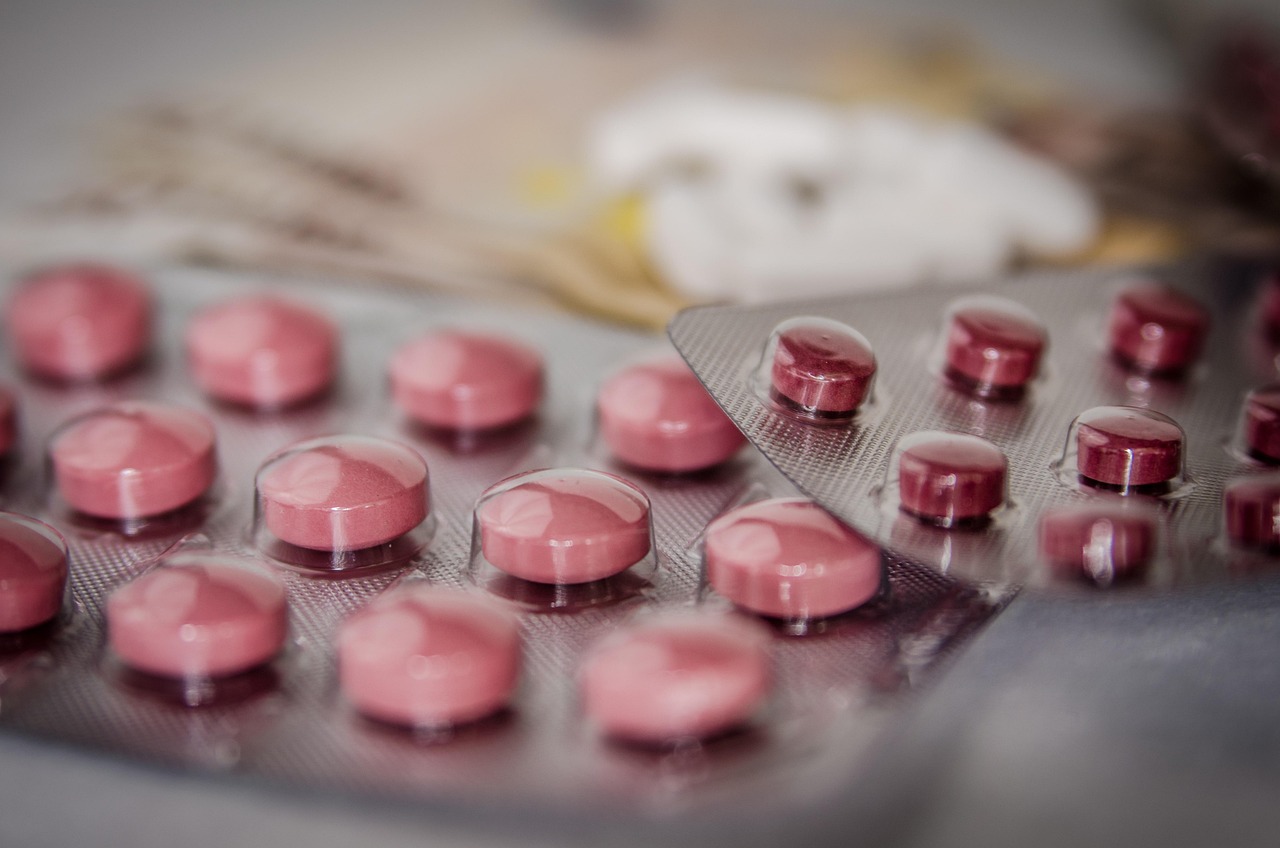
For millions of people, the most likely medical crisis in a disaster is not a dramatic injury. It is running out of a medication they depend on to stay healthy or alive. Blood pressure drugs, insulin, heart medications, thyroid pills, and countless others are not optional, and a supply chain disruption, an evacuation, or a prolonged emergency can cut off access with dangerous speed. Building a reasonable buffer of essential medications is one of the most important and most overlooked pieces of medical preparedness. It must be done safely and legally, and this guide walks through how.
Why a buffer matters so much
Most people keep only the pills currently in their bottle, perhaps a month at most, and depend on a smoothly functioning system of pharmacies, insurance, and supply chains to refill it. That system is more fragile than it appears. A natural disaster can close pharmacies and block roads. A supply disruption can cause shortages of specific drugs. An evacuation can leave you far from your pharmacy with no refill available. For someone whose medication is keeping a serious condition in check, even a short gap can become a medical emergency. A buffer turns that vulnerability into a non-issue.
Work with your doctor, always
The right and safe way to build a medication buffer is with your prescribing physician, not around them. Have an honest conversation about emergency preparedness and ask whether they can help you build a modest cushion, perhaps by prescribing a 90-day supply instead of 30, or providing an extra emergency supply where appropriate. Many doctors are supportive of reasonable preparedness once you explain your reasoning, and some medications and insurance plans readily allow larger fills. This route is legal, safe, and keeps your care coordinated. Never try to stockpile by deceiving providers, obtaining medications illicitly, or using anyone else’s prescriptions, which is dangerous and unlawful. Your doctor is a partner in this, and the conversation is the first step.
Practical ways to build a cushion
Within the bounds of working with your doctor and pharmacy, several legitimate approaches help build a buffer:
- Request 90-day supplies where your prescription and insurance allow, which naturally gives you more on hand than monthly fills.
- Refill as early as permitted. Refilling at the earliest allowed date each cycle gradually builds a small surplus over time.
- Ask about emergency supplies. Some plans and providers allow an extra emergency supply, especially for those in disaster-prone areas, and many states have laws letting pharmacists dispense an emergency refill during a declared disaster.
- Use mail-order or 90-day pharmacy programs, which are often built around larger fills and can lower cost per dose too.
- Do not forget over-the-counter essentials, which are simpler to stock: pain relievers, antihistamines, anti-diarrheals, rehydration salts, and the basics your family uses.
Store and rotate correctly
A medication buffer is only good if the medications remain effective, so storage matters. Most drugs keep best in a cool, dry, dark place, and heat and humidity, like a bathroom cabinet or a hot car, degrade them faster. Keep medications in their original labeled containers. Most importantly, rotate your supply: use your oldest stock first and replace it with fresh, so your buffer is always current and nothing expires unused. This is the same first-in, first-out discipline that governs food storage, applied to your medicine. Track expiration dates and cycle through them as part of normal use.
A word on antibiotics and expiration dates
Two cautions worth stating plainly. First, do not buy veterinary or aquarium antibiotics to self-treat, a stubborn myth in some prepping circles. They are unregulated for human use, the wrong drug or dose can be useless or harmful, and misusing antibiotics breeds resistance. Antibiotics for humans come through a prescriber who can match the drug to the infection. Second, an expiration date is the manufacturer’s guarantee of full potency, not a hard cliff, and many solid pills lose potency only gradually past it. But some medications genuinely should not be used expired, and a few can be unsafe, so never guess with anything critical: rotate faithfully, and ask your pharmacist about any specific drug rather than relying on rules of thumb.
Have the information, not just the pills
In an emergency, especially one where you are separated from your records or your regular providers, information about your medications is as important as the medications themselves. Keep a written list in your emergency kit and go-bag that records, for each person:
- Every medication and its dosage and schedule.
- The condition each one treats.
- Known allergies and reactions.
- Prescriber and pharmacy contact details.
If you are ever treated by someone unfamiliar with your care, that list can prevent dangerous mistakes. This coordination is part of working with your medical team, and it rounds out your broader medical preparedness.
Special cases need special plans
Some medications require extra planning. Drugs that need refrigeration, like insulin, demand a plan to keep them cold during a power outage; insulin generally tolerates a limited stretch at room temperature, but you should confirm the specifics for your product and prepare coolers, ice packs, or a specialized cooling case. Controlled substances have tighter legal limits on quantities and refills, so those buffers are necessarily smaller and must strictly follow the law and your doctor’s guidance. And anyone with a life-critical medication should discuss a specific emergency plan with their physician, because the stakes of a gap are highest for exactly these drugs.
Quick questions
Can I use a medication after its expiration date in an emergency? For a minor, non-critical drug, a recently expired solid pill has often lost only a little potency, but this is a decision to make with a pharmacist, not a blanket rule. For anything critical, insulin, heart or seizure medication, and similar, do not gamble on expired stock; rotate so it never comes to that.
How big a buffer is reasonable? For most people, a coordinated cushion of a few extra weeks to a few months, built through 90-day fills and early refills, is both achievable and sufficient for realistic disruptions. Your doctor can help you land on a target that fits your condition, your insurance, and any legal limits on your specific drugs.
Medication stockpiling, condensed
- Running out of essential medication is the likeliest medical crisis in a disaster.
- Build a buffer legally and safely, working with your prescribing doctor.
- Use 90-day supplies, early refills, mail-order, and emergency supplies where allowed.
- Store cool, dry, and dark, and rotate oldest-first so nothing expires.
- Skip veterinary antibiotics, keep a written medication list, and make special plans for insulin and controlled drugs.
This is general educational information, not medical advice. Build any medication supply in coordination with your prescriber and pharmacist, and follow the laws that apply to your medications.
For anyone who depends on daily medication, this quiet preparation may matter more than any other. A reasonable, legally built buffer of your essential drugs, stored properly, rotated faithfully, and documented clearly, means that a disaster which cuts off the pharmacy does not also cut off your health. Have the conversation with your doctor, build the cushion the right way, and remove one of the most serious and most preventable dangers a prolonged emergency can pose to you and your family.