Most emergency advice is quietly written for a healthy adult who can walk a few miles, carry a heavy pack, hear a siren, and sleep on the ground. For millions of people, that assumption does not hold, and a generic checklist can leave someone with a disability or access need worse off than no plan at all. Real preparedness starts from your actual abilities and needs, not an idealized version of them. Done right, an individualized plan can make an emergency genuinely manageable, and federal guidance from FEMA’s Office of Disability Integration and Coordination is built around exactly this principle: plan from the person outward, not from a generic template inward.
Start with an honest inventory
Before buying anything, map what you specifically depend on, because those dependencies are exactly what a disaster interrupts. Consider:
- Power-dependent equipment: anything that plugs in and keeps you healthy, a powered wheelchair, oxygen concentrator, CPAP, nebulizer, or medication that needs refrigeration.
- Medications and supplies you cannot skip, and how many days of buffer you keep. A common guideline is at least a two-week buffer for anything you cannot easily go without.
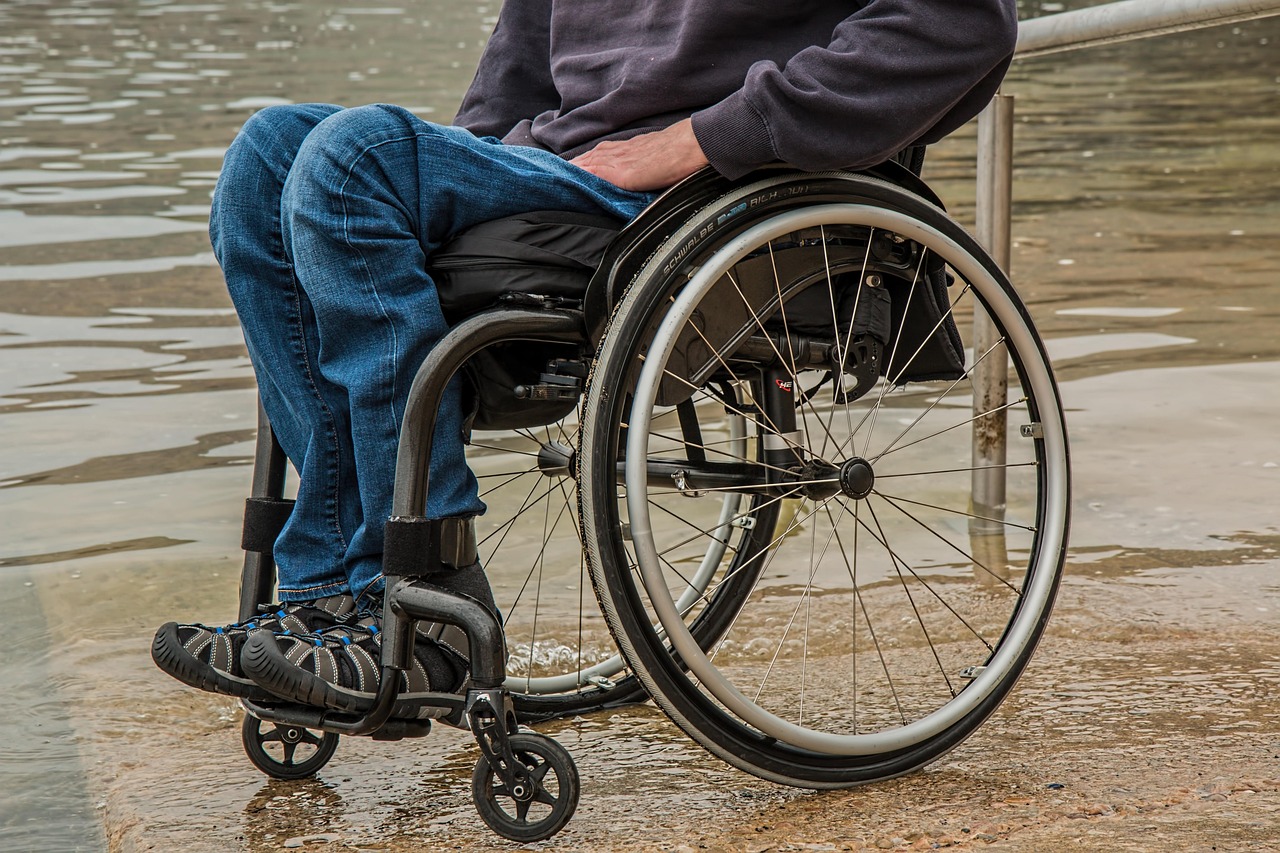
- Mobility: how you move, and what happens if an elevator is out or a route is blocked. If you live or work above the ground floor, this is worth planning in detail now, not during an actual evacuation.
- Communication and sensory needs: how you would receive a warning or call for help if you cannot hear an alarm or see a screen. Bed-shaker alarms and visual strobe alerts exist specifically for this gap and are inexpensive relative to what they protect.
- Service animals and their own food, water, and documentation.
This inventory is the foundation of your plan, because each item points directly at a backup you need to arrange.
Power is often the whole ballgame
For anyone whose health depends on electricity, a power outage is not an inconvenience, it is the emergency. Plan redundant power in layers: battery backups sized to your device, a way to recharge them, and a pre-arranged place to go if an outage runs long. Contact your utility now, because many keep a medical priority registry, sometimes called a “critical care” or “medical baseline” program, that flags your address for faster restoration and often for advance notice of planned outages. Talk to your equipment supplier about battery options and manual alternatives, and confirm your device’s actual runtime on battery power rather than assuming it matches the box’s stated maximum.
Build a support network on purpose
The most important preparedness asset for someone with access needs is other people. Assemble a personal support team of at least three or four neighbors, friends, or family who know your needs and could check on you, help you evacuate, or relay information. Give each of them a copy of your plan and a key if appropriate. Do not rely on a single person, who may be unavailable in the exact emergency when you need them, be traveling, or be dealing with their own emergency at the same time. This network is a lifeline that no piece of gear can replace, and it works alongside your medical and caregiver team.
Keep the critical facts on you
Carry a clear, written summary of your medical conditions, medications, allergies, equipment, and emergency contacts, and keep a copy in your go-bag and posted where a responder would find it, such as inside your front door or on your refrigerator, a location first responders are trained to check. In an emergency you may be unable to explain your needs, or a caregiver who normally speaks for you may not be present. A document that speaks for you ensures responders and shelter staff understand your requirements immediately. Include the make and model of any equipment and its power requirements.
Match your go-bag and evacuation to your reality
Your home kit and go-bag should be built around your specific needs: extra medication, spare mobility aids, backup batteries, supplies for a service animal, and communication tools that work for you. Your evacuation plan must build in extra lead time, because if leaving takes you longer, your trigger to go has to be set earlier, sometimes significantly earlier than the general public evacuation order. Identify accessible transportation and accessible shelters in advance, since not every shelter can meet every need; a phone call to your local emergency management office asking specifically about accessible shelter options is worth making before you need the answer, not during an actual event.
Building the plan by need type
A single checklist rarely fits everyone, so here is how the core plan shifts by common need category:
| Need type | Priority addition |
|---|---|
| Mobility limitations | Evacuation lead time, transport plan, backup mobility device |
| Vision impairment | Tactile or audio alerts, a guide for unfamiliar shelter routes |
| Hearing impairment | Visual/vibrating alarms, written communication cards |
| Cognitive or developmental needs | Simplified, rehearsed routine; ID and contact info always carried |
| Chronic illness / medical equipment | Redundant power, medication buffer, utility medical registry |
Common questions
Will emergency responders automatically know I have access needs?
No, not unless you have told them in advance. Many fire departments and 911 call centers maintain a voluntary registry for residents with disabilities or access needs; call your local non-emergency line to ask if one exists and how to enroll, since coverage and program names vary widely by city and county.
What if my support network cannot reach me during an actual event?
This is exactly why the plan should have three or four people, not one, and why they should not all live or work in the same building or neighborhood as you, since a localized disaster could disable them all at once. Spread your network geographically where possible.
How is this different from a standard family emergency plan?
The structure is the same (inventory, power, network, documentation, kit) but every element scales to your actual dependencies rather than a generic average. A standard family emergency plan is a good starting skeleton; this guide is how you adapt that skeleton to a body and a life that a generic plan was never built around.
Access-need readiness, condensed
- Inventory exactly what you depend on, especially anything that needs power.
- Plan power in redundant layers and join your utility’s medical priority registry.
- Build a support team of several geographically spread people, never just one.
- Carry a written summary of your needs, medications, and equipment.
- Set an earlier evacuation trigger and pre-identify accessible transport and shelters.
Preparedness is not one-size-fits-all, and the people it serves best are the ones who tailor it hardest. Build your plan around the person you actually are, arrange your backups and your network in advance, and an emergency becomes a situation you are ready to meet on your own terms.