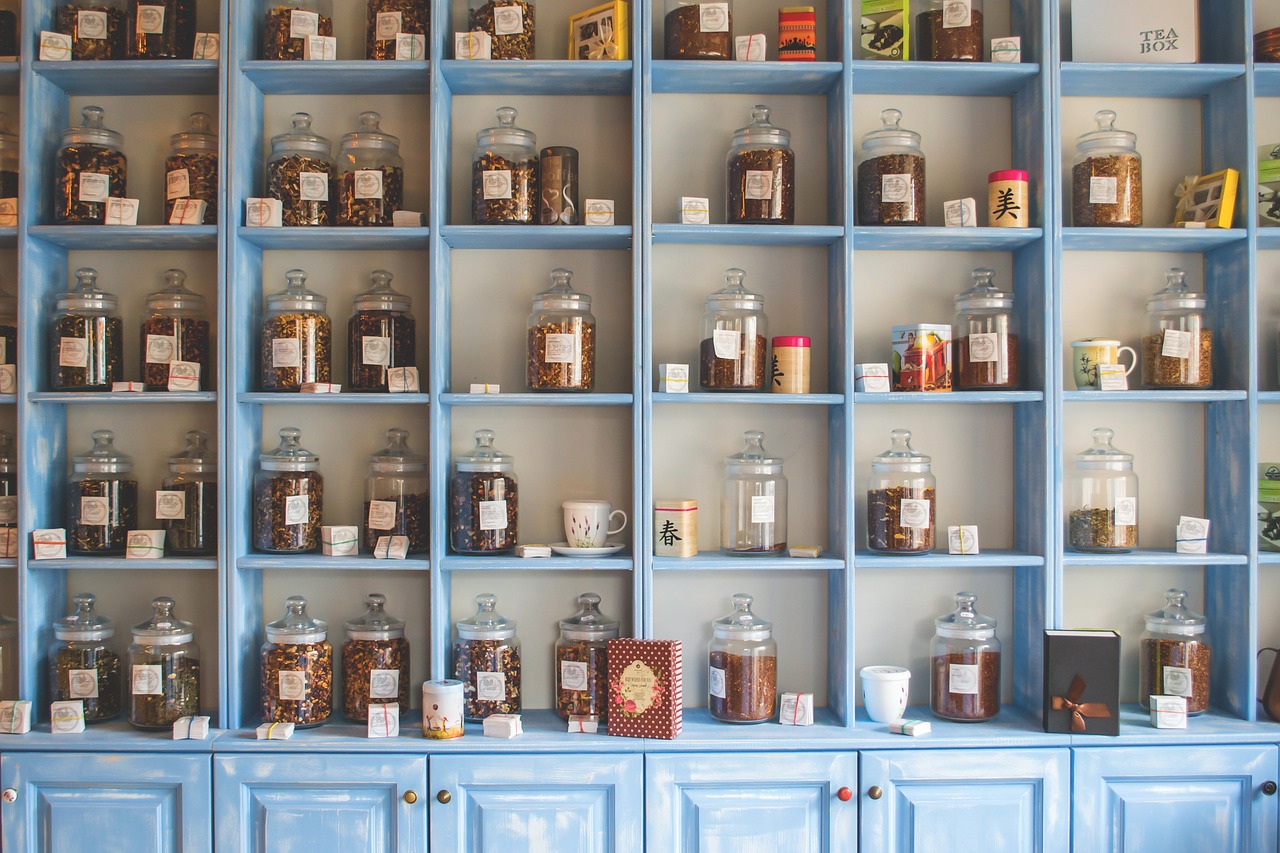
Long before pharmacies, people treated everyday ailments with plants, and much of that knowledge was hard-won and genuinely useful. In a world where a prolonged emergency could limit access to medical care, understanding natural remedies has real value. But this is a subject that demands honesty and caution in equal measure, because plants are powerful, some are dangerous, and misinformation abounds. This guide takes a grounded approach: herbal and natural remedies can be a worthwhile complement to your preparedness, learned carefully and used sensibly, never a replacement for real medicine when real medicine is available.
The safety rules that come first
Before any specific remedy, absorb these non-negotiable cautions. Natural does not mean safe. Some of the most toxic substances known come from plants, and dosage and preparation matter enormously. Identification is everything. Misidentifying a plant can turn a remedy into a poisoning, so never use a wild plant you cannot identify with total certainty. Herbs interact with medications and can be dangerous for pregnant women, children, and people with certain conditions. Serious conditions need real care. A natural remedy is not the answer to a severe infection, a heart problem, or a major injury when a doctor is reachable. And learn from credible sources, calmly and in advance, not from a single social media post in the middle of a crisis. Treat this knowledge with the same respect you would any medicine, because that is exactly what it is.
Where natural remedies genuinely help
With those cautions firmly in mind, natural approaches are most appropriate for minor, everyday complaints, the kind you would treat at home anyway: minor wounds, small burns, mild digestive upset, coughs and colds, and minor aches. This is the sensible domain of home remedies, well within the range of self-care, and far from the serious conditions that require professional treatment. Keeping expectations in this modest range is what makes natural first aid a safe complement rather than a dangerous gamble.
Some time-tested, well-supported basics
A number of common remedies have both traditional use and reasonable support, and many are pantry staples rather than exotic foraged plants, which makes them far safer to use:
- Honey has genuine antibacterial properties and is used for minor wounds and to soothe sore throats and coughs. Never give honey to infants under one year.
- Aloe vera soothes minor burns and skin irritation.
- Ginger is well regarded for nausea and digestive upset.
- Salt water makes a simple, effective rinse for sore throats and mouth irritation, and a clean saline solution can irrigate minor wounds.
- Garlic has traditional antimicrobial uses, most safely as food.
- Chamomile and peppermint teas are gentle aids for calming and for mild digestive complaints.
Notice that these are mild, familiar, and low-risk, which is exactly why they are good starting points. For quick reference, here is how a few of them line up, along with the caution that always travels with them:
| Remedy | Common use | Key caution |
|---|---|---|
| Honey | Minor wounds, sore throat, cough | Never for infants under one year |
| Aloe vera | Minor burns, skin irritation | For minor burns only; cool with water first |
| Ginger | Nausea, digestive upset | Can interact with blood thinners |
| Salt water | Throat and mouth rinse, wound irrigation | Rinse and spit; do not overdo the concentration |
| Chamomile / peppermint | Calming, mild digestion | Possible allergies; check interactions |
Growing some of these in a home garden is a rewarding piece of self-reliance, and it keeps the plants you rely on both fresh and correctly identified.
Grow and learn before you need them
The time to build herbal knowledge is calmly, in advance, not in a crisis. Consider growing a small medicinal herb garden of safe, useful plants, and learn each one thoroughly from reputable herbal and medical references. Practicing with mild remedies for everyday complaints now builds real familiarity and reveals how your family responds, so that if access to care is ever limited, you are working from experience rather than guesswork. This pairs naturally with the broader homestead skill of growing your own food and medicine.
Complement, do not replace, your medical kit
The wisest stance treats natural remedies as one layer alongside conventional preparedness, never instead of it. Keep a real first aid kit and the skills of basic first aid, maintain your buffer of essential prescription medications, and use natural remedies for the minor complaints where they shine. When a condition is serious or a doctor is available, conventional medicine wins. Natural first aid fills the gap for small things and for the scenario where professional care is genuinely out of reach, not a substitute for it when it is not.
Light to treat by

Affiliate note: buy through these links and ThisTracks may earn a small commission at no extra cost to you. We only list gear that is in stock and that we would carry ourselves.
Keep the real kit too

Affiliate note: buy through this link and ThisTracks may earn a small commission at no extra cost to you. We only list gear that is in stock and that we would carry ourselves.
Quick questions
Are essential oils the same as herbal remedies? No, and they demand extra caution. Essential oils are highly concentrated, can burn skin undiluted, are dangerous if swallowed, and some are toxic to children or pets. If you use them, learn proper dilution and safe use from a credible source first. Concentration is exactly where natural products turn hazardous.
Can I rely on natural antibiotics like garlic for an infection? No. Foods like garlic have mild antimicrobial properties as food, but they do not replace real antibiotics for a genuine infection. A spreading infection is a serious medical problem; seek real care, and see our guidance on building a legitimate medication buffer instead.
Which few things are worth keeping on hand? Start simple and shelf-stable: honey, aloe gel, ginger (fresh or dried), plain salt for rinses, and chamomile or peppermint tea. They cover the mild everyday complaints, store easily, and carry almost no risk when used as described. Learn each one properly, then expand slowly rather than stockpiling exotic remedies you have never actually used. A small, familiar set you understand beats a cabinet of unknowns.
Natural first aid, condensed
- Natural does not mean safe. Identification, dosage, and interactions all matter.
- Use natural remedies only for minor, everyday complaints, never serious conditions.
- Start with mild, familiar basics: honey, aloe, ginger, salt water, chamomile.
- Learn and grow them calmly in advance from credible sources.
- Complement your real first aid kit and medications; do not replace them.
This is general educational information, not medical advice. Herbs can interact with medications and conditions; consult a qualified professional, and rely on conventional care for anything serious.
Herbal and natural remedies connect us to a deep tradition of self-reliance and offer genuine, gentle help for the small ailments of daily life. Approached with respect and honesty, growing your knowledge from reliable sources, staying within the safe range of minor complaints, and keeping conventional medicine as your backbone, they become a rewarding and practical layer of preparedness. Used carelessly, they become a hazard. The difference is entirely in the caution and the learning you bring to them.