Ask most families what they would do if a disaster struck while they were scattered across work, school, and errands, and you get a long pause. Supplies get all the attention because you can buy them. A plan gets ignored because it is free and it requires a conversation. Yet in the moment, the plan is what turns a closet full of gear into an actual response. It answers the three questions panic erases: where do we go, how do we reach each other, and what do we do first. This is also the single item FEMA’s own ready.gov guidance lists first, ahead of any gear purchase, precisely because a stocked kit with no plan behind it still leaves a family guessing under stress.
The four pieces of a real plan
A family emergency plan does not need to be a binder. It needs to answer four things clearly enough that a child could repeat them.
1. Where we meet
Pick two meeting points. One is just outside your home, for a sudden event like a house fire, so everyone knows where to gather in the yard. The second is outside your neighborhood, for when you cannot get home at all: a library, a relative’s house, a specific parking lot. Make them specific and physical, not vague. Our guide to designating meeting points goes deeper on choosing good ones.
2. How we communicate
Phones often fail in a disaster because local networks jam. The classic fix is an out-of-town contact: pick a friend or relative in another state whom everyone calls or texts to check in. When local lines are clogged, a long-distance text often still goes through, and one outside person becomes the hub that reconnects a scattered family. Text rather than call, because texts get through on congested networks when voice will not. Build this into a full communication plan.
3. Who does what
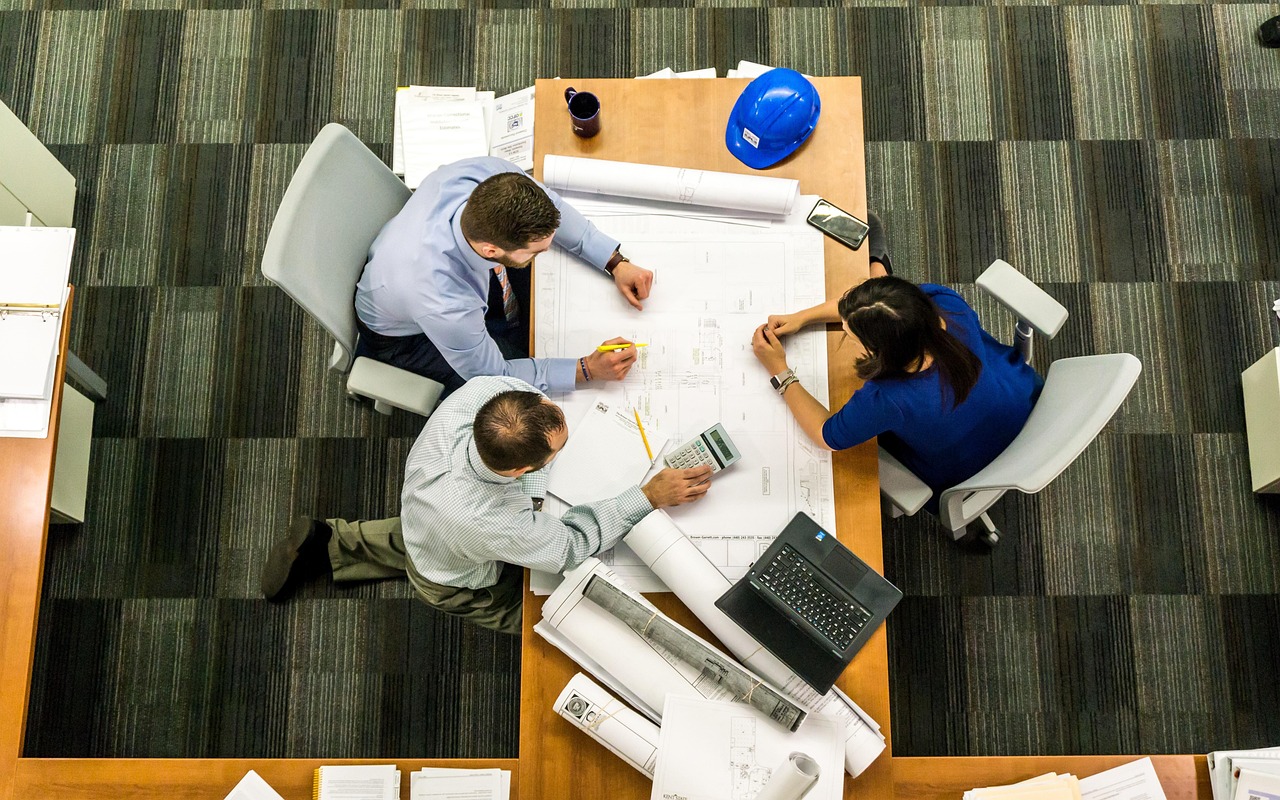
Assign roles before the emergency. One adult grabs the go-bag, another gets the kids, someone is responsible for a pet, someone shuts off the gas or water if needed. When everyone knows their job, the first chaotic minutes have structure instead of six people asking each other what to do. Write the roles down and post them somewhere visible, since a role assigned only verbally months ago is easy to forget under real stress.
4. What we grab and where it is
Everyone should know where the home kit and the go-bags live, how to turn off the utilities, and which documents to take. A plan only works if the people carrying it out know where the pieces are kept, which means every capable family member, not just the one adult who bought the supplies, should be able to locate them without asking.
The part that makes it real: practice
A plan that lives only on paper fails under stress. Walk through it. Hold a short drill twice a year: a fire escape from every room, a text to the out-of-town contact, a drive to the neighborhood meeting point. Children who have practiced do not freeze, and adults find the gaps while it is still a rehearsal. The practice is not optional; it is the difference between knowing the plan and being able to execute it.
Writing the plan down: a simple template
You do not need special software. A single sheet of paper, filled in together as a family, covers it:
| Section | Fill in |
|---|---|
| Near meeting point | Exact spot, e.g. “the oak tree at the end of the driveway” |
| Far meeting point | Name and address of the outside-neighborhood location |
| Out-of-town contact | Name and phone number |
| Roles | Who grabs the go-bags, the kids, the pet, the utilities |
| Kit locations | Where the home kit, go-bags, and documents live |
| Utility shutoffs | Location of gas, water, and electrical shutoffs |
Make a few copies: one in a kitchen drawer, one in each go-bag, and one photographed into every adult’s phone so it survives even if the paper copy is lost. A magnet on the refrigerator holding a copy is a small touch that pays off, since it is the one spot every family member walks past daily and is likely to glance at without being asked to.
Keep phones alive so the plan can work
Your communication plan depends on phones that still have charge hours or days into an event. A way to recharge without the grid is what keeps your family reachable when it matters most.
Build the plan around everyone in the house
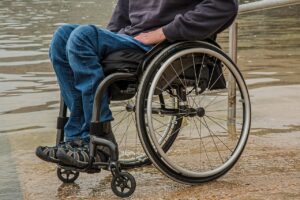
A good plan accounts for the members who need extra thought. Children need age-appropriate versions they can actually follow, which we cover in teaching kids about preparedness. Family members with disabilities or access needs deserve individualized plans, and pets need their own supplies and a carrier by the door. A plan that only works for the healthiest adult in the house is not finished. If your household spends time in more than one place regularly, work or a second home, build a lightweight version of this plan for that location too, since disasters do not wait for you to be home.
Common questions
How long does it actually take to build a first version of this plan?
Most families can fill out the template above and choose both meeting points in under an hour, which is exactly why this is often called the single highest-value hour in preparedness. Refining it, choosing the out-of-town contact, printing cards, and running the first drill takes a bit longer but can be spread over a week or two.
Do we need to redo the whole plan if we move or have a baby?
Not the whole plan, but always update the meeting points and roles after a move, and revisit medication and gear needs after any new family member arrives, including a new pet. Most of the plan’s structure stays the same; the specifics inside it change with your life.
What is the single biggest mistake families make with this plan?
Writing it once and never practicing it. A plan that only exists on paper is a plan nobody actually remembers under stress. The families who benefit most from this exercise are the ones who treat the twice-yearly drill as non-negotiable, the same way they would a fire alarm test.
Your one-hour plan
- Two meeting points: one just outside home, one outside the neighborhood.
- One out-of-town contact everyone texts to check in.
- Clear roles: who grabs what, who gets the kids, who gets the pet.
- Everyone knows where the kit, the go-bags, and the utility shutoffs are.
- Practice it twice a year until nobody has to think.
This is the single highest-value hour in all of preparedness, and it costs nothing but a family conversation. Write it down, tape a copy inside a cupboard, put it in everyone’s phone, and practice it. When the day comes that you need it, you will be executing a plan while everyone around you is inventing one.