Communication is a lifeline in any emergency, and it is also one of the first things to fail or become insecure when normal systems are stressed. For a prepared household, secure and reliable communication means two things at once: being able to reach your people when the usual networks are down, and protecting the privacy of your communications as a matter of ordinary security. Neither requires being a technical expert. A handful of tools and habits gives you both resilience and privacy, so your family stays connected and your conversations stay yours.
Two goals: staying connected, and staying private
Secure communication for preppers really combines two related goals. The first is resilience, the ability to communicate when cell networks jam, the internet fails, or the power is out. The second is privacy, keeping your communications from being casually intercepted or exposed. Both are legitimate and sensible aims for any household, and both are achievable with off-the-shelf tools. Think of resilience as making sure the message gets through, and privacy as making sure only the right person reads it.
Build a layered communication plan
Resilient communication comes from redundancy, having multiple ways to reach your family so that when one fails, you drop to the next. This is the PACE approach, primary, alternate, contingency, and emergency, applied to how you stay in touch, and it is the backbone of any good communication plan:
- Text before calling. When networks are congested, texts often get through when calls will not, so make texting your default in an emergency.
- An out-of-town contact as a relay, since long-distance connections often work when local ones are jammed.
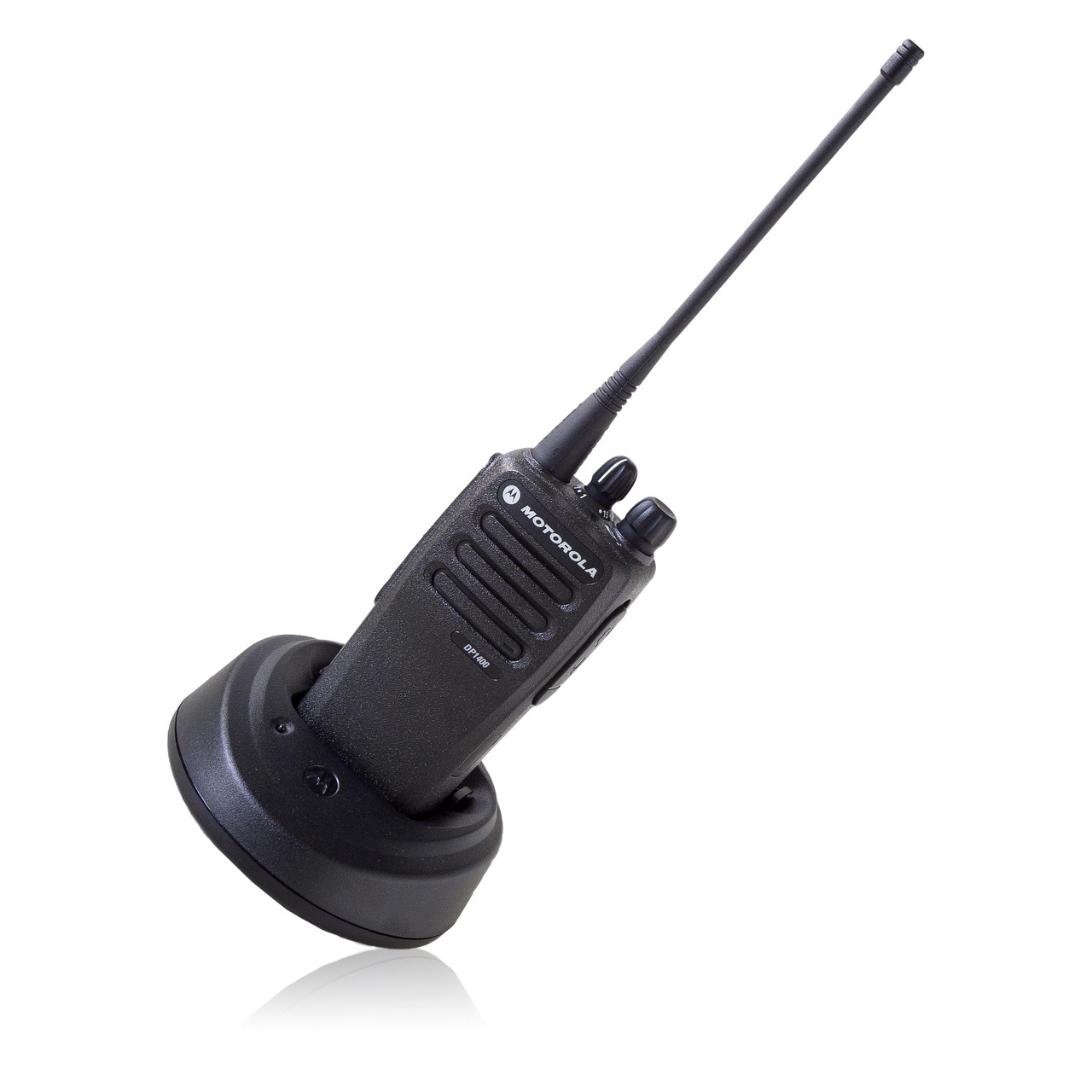
- Radios for local, infrastructure-free communication. Two-way radios let family members stay in contact within a local range with no cell network at all, which is invaluable when the grid is down.
- Battery and hand-crank radios to receive official information and news when the internet is gone.
- Physical fallbacks: pre-agreed meeting points and messages, which need no technology whatsoever.
Keep the devices powered, or none of it works
Every layer of your communication plan that runs on a device depends on that device having power, and emergencies are exactly when charging becomes difficult. A dead phone or a dead radio makes the most carefully designed communication plan useless. Off-grid charging is therefore not a luxury but a core part of communication resilience: solar power keeps phones, radios, and devices running through outages that outlast any battery. Charge your power sources now and keep them topped up, so that when a disaster stretches into days, your ability to reach your family and receive information does not quietly die with your batteries. Power is the foundation the entire communication plan stands on.
Privacy through everyday encryption
The privacy half of secure communication is easier than most people think, because strong encryption is now built into ordinary, free tools. Using end-to-end encrypted messaging apps means your conversations are readable only by you and the recipient, which is simply good practice for everyone in an age of routine data collection. Encrypted email services extend the same protection to your mail, as covered alongside broader digital hygiene in protecting your personal data and securing your home network. None of this requires special skill; it requires choosing tools that protect you by default and using them consistently.
What end-to-end encryption actually means
It is worth understanding the term rather than just trusting the label. End-to-end encryption means a message is scrambled on the sender’s device and only unscrambled on the recipient’s device, so that no one in between, including the company running the messaging service, can read the content, even if they wanted to or were compelled to. This differs from encryption “in transit only,” which protects a message while traveling across the internet but may still leave it readable on the provider’s servers. When choosing messaging and email tools, look specifically for end-to-end encryption by default, not merely a claim of “encrypted” that could mean something weaker.
Practice good communication OPSEC
Beyond the tools, sensible habits protect your communications. Be mindful of what you discuss over channels that may not be private, especially anything about your preparations, resources, or plans, which connects to broader operational security. Establish with your family in advance how you will communicate in an emergency and any simple code words for confirming safety or identity. And remember that the most private communication of all is the pre-arranged plan that needs no message: when your family already knows where to meet and what to do, you have to communicate less in the moment, which is both more secure and more reliable.
Common questions
Is regular SMS texting private, or should I switch to an encrypted app entirely?
Standard SMS text messages are not end-to-end encrypted and can potentially be intercepted or accessed through carrier records. For routine emergency coordination this risk is usually acceptable given SMS’s reliability advantage on congested networks, but for genuinely sensitive content, an encrypted messaging app is the better choice when data connectivity allows it.
Do encrypted email and messaging apps still work when I am also trying to conserve phone battery?
Yes, they use no more power than standard equivalents, so battery conservation habits, like airplane mode and dimmed screens, apply the same way regardless of which apps you use. The choice of encrypted versus standard tools is about privacy, not about power consumption.
How do I convince family members who are not tech-savvy to actually use these tools?
Set it up for them once, on their actual device, rather than just telling them to do it themselves, and keep the number of new tools to one or two rather than overhauling everything at once. A single encrypted messaging app that replaces their existing group chat, installed and demonstrated in person, succeeds far more often than a list of recommendations left for someone to configure alone.
Secure communications, condensed
- Aim for both resilience (reaching your people) and privacy (keeping messages yours).
- Build a layered PACE plan: text, out-of-town relay, radios, and physical fallbacks.
- Keep devices powered with off-grid charging, or the whole plan fails.
- Use genuine end-to-end encrypted apps and email for everyday privacy, not just “encrypted” claims.
- Practice communication OPSEC and pre-arrange plans that need no message.
Staying connected and staying private are not competing goals; they are two halves of communication that actually serves you when it matters. Build the redundant layers that keep your family reachable when networks fail, keep your devices powered through off-grid charging, adopt the encrypted tools that protect your privacy by default, and practice sensible habits about what you share and how. Do that, and your household keeps a reliable, private line to one another through exactly the disruptions that cut everyone else off.