Medical preparedness is often imagined as a solitary skill: you, a kit, and the knowledge to use it. But real medical readiness, especially for families with ongoing health needs, is a team effort. Your doctors, pharmacists, caregivers, and family members are all part of a network that keeps a household healthy, and coordinating that network in advance is one of the most valuable and least discussed forms of preparedness. When you build these relationships and share the right information before a crisis, you turn a collection of individuals into a resilient system of care.
Your doctor is a preparedness partner
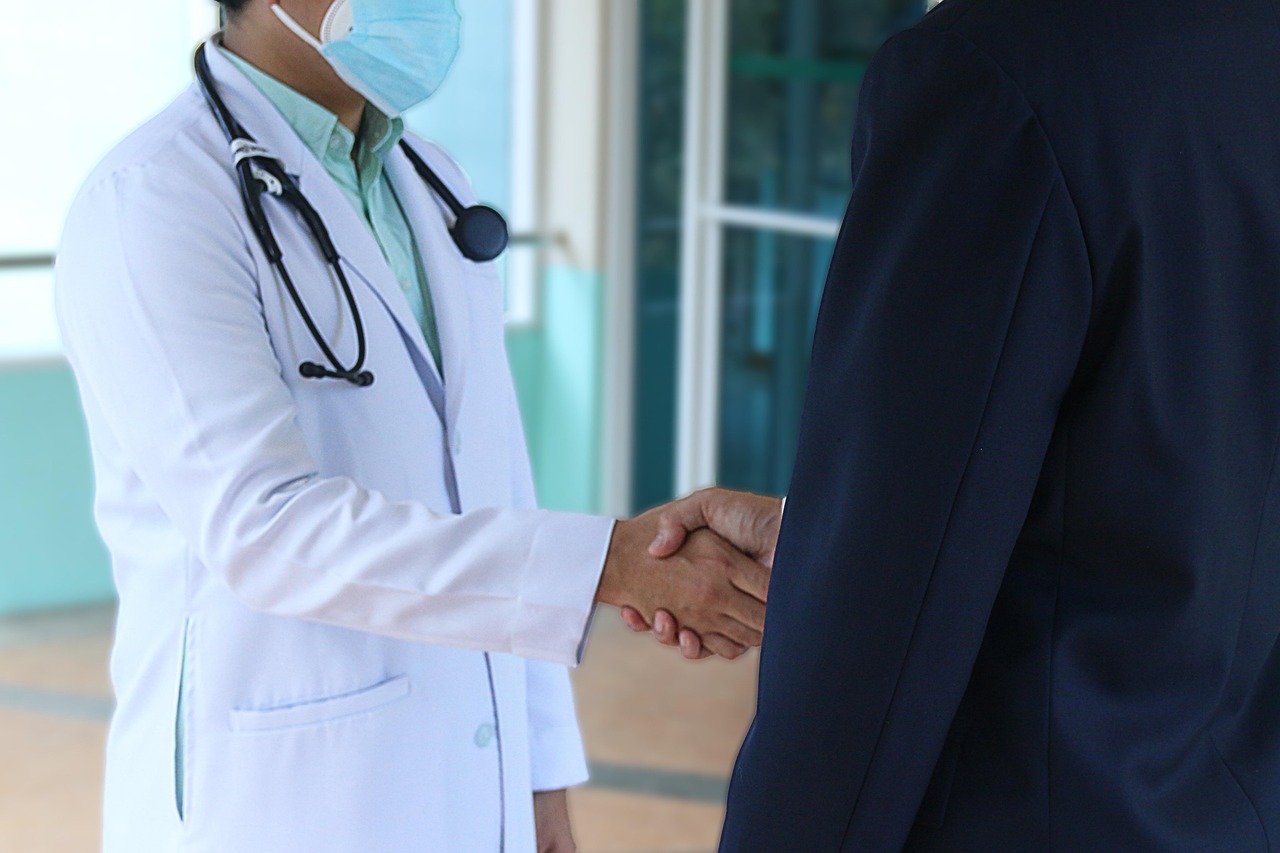
The most important professional relationship in your medical preparedness is with your physician, and many people never think to involve them in it. Yet your doctor can help in ways no amount of self-study can: building a legitimate buffer of essential prescription medications, advising on managing chronic conditions during an emergency, and helping you understand what your family’s specific health situations require when normal care is disrupted. Have the conversation openly. Explain that you want to be prepared for a disaster or disruption, and ask how they can help you plan. Most physicians respond well to reasonable, responsible preparedness, and the guidance they provide is tailored to your actual medical needs in a way generic advice never can be.
The information binder that speaks for you
The single most valuable coordination tool is a well-organized record of your family’s medical information, kept current and accessible. In an emergency, you may be separated from your regular providers or unable to speak for yourself, and the caregiver who normally manages a family member’s care may not be present. A clear, portable record ensures that whoever is helping, a stranger, a different doctor, or a family member stepping in, has the critical information to care for you safely and avoid dangerous mistakes.
For each family member, document the details a stranger providing care would need:
- Diagnosed conditions and a brief history.
- Medications, dosages, and schedules.
- Allergies and past reactions.
- Blood type and key immunizations.
- Providers, specialists, and their contact information.
- Insurance details and any advance-directive wishes.
Keep copies in your emergency kit, your go-bag, and with a trusted contact, and refresh it whenever a medication or condition changes. This document is preparedness that could prevent a fatal error, and it costs only the time to assemble it.
Coordinate caregivers and family
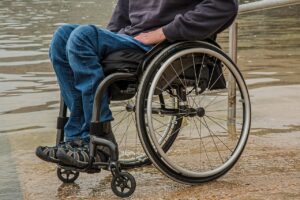
Many households include someone who depends on others for care: a child with medical needs, an elderly parent, a family member with a disability or chronic illness. In these cases, medical preparedness means ensuring more than one person can provide that care, because the usual caregiver may be unavailable in the exact emergency when they are needed. Teach backup family members the essentials of that person’s care, medications, routines, warning signs, and equipment, and make sure the information is written down and shared. This redundancy in caregiving is the same principle as any other backup: never let critical capability rest on a single point of failure. It connects directly to planning for family members with access needs.
Build your broader medical network
Beyond your immediate providers and family, a resilient medical network includes the wider web of people and resources you might draw on. Know the medical professionals in your extended circle and community, a neighbor who is a nurse, a relative who is an EMT, since in a crisis these connections can be invaluable. Understand what local medical resources exist and how to reach them. And within a community preparedness group, medical skills are among the most valuable to pool and share. A neighborhood that knows who among them has medical training is far more resilient than a collection of isolated households.
Quick questions
How do I bring up preparedness with my doctor without sounding extreme? Frame it around ordinary continuity of care: “If a storm or supply problem disrupted my refills, how can we make sure I do not run out?” That is a reasonable, responsible question most physicians welcome, and it opens the door to 90-day supplies and emergency planning without any drama.
Where should the medical record live so it is actually there when needed? In more than one place: a copy in the home kit, one in each go-bag, one with a trusted out-of-area contact, and a secure digital copy on your phone or in the cloud. Redundancy is the whole point, because you cannot predict which one you will be able to reach.
Is it risky to keep all that medical information written down? It is sensitive, so protect it sensibly: keep physical copies in secure spots, password-protect or encrypt the digital version, and share it only with the people who would genuinely need it. But the far greater risk is not having the information when someone is trying to treat your family member and cannot get it. Guard it reasonably, and do not let privacy worry leave you without the record when it matters most.
Practice the handoff before you need it
A plan that lives only in one person’s head is not a plan. Once you have the medical record assembled and a backup caregiver identified, run a low-key rehearsal: have the backup person actually walk through giving the medication, reading the record, and explaining a family member’s condition to an imaginary stranger. You will find the gaps immediately, an ambiguous dosage note, a piece of equipment nobody else knows how to use, a missing phone number, while it is still easy to fix. The same goes for older children, who can learn to recite their own allergies and hand over the record. A single practice run turns a folder of paper into a plan people can actually execute under stress.
Coordination completes your medical preparedness
All the supplies and skills in the world work better inside a coordinated system. Your medical preparedness, from first aid skills to your kit to your medication buffer, is strengthened enormously when the people around you, professional and personal, are informed, prepared, and able to step in for one another. Coordination is the connective tissue that turns individual readiness into genuine, household-wide resilience.
Coordinating care, condensed
- Involve your doctor in your preparedness; they can help in ways self-study cannot.
- Keep a current, portable medical record for each family member in your kit and go-bag.
- Ensure more than one person can provide care for any dependent family member.
- Know the medical professionals in your circle and community.
- Coordination turns individual readiness into household-wide resilience.
This is general educational information, not medical advice. Coordinate your family’s medical planning with your own physicians and pharmacists.
Medical preparedness is not a solo endeavor; it is a team sport, and the team is only as strong as its coordination. Bring your doctor into your planning, document your family’s medical information clearly, build redundancy into caregiving, and know the medical resources around you. Do this before any crisis, and you create a network of care that holds together even when individuals are unavailable or overwhelmed, protecting the health of everyone in your household through exactly the disruptions that make care hardest to get.