Home security is not a single product you buy or a single action you take; it is a system of layers working together, each one making your home a harder, less appealing target. Security professionals think in terms of a chain of functions, deter, detect, delay, and respond, and a good home security plan addresses every link. The goal is not to build a fortress but to make your home enough of an obstacle that intruders choose an easier target, and to give yourself early warning and time to react if someone tries anyway. This guide lays out the layered approach that ties it all together.
The four functions of security
Every effective security measure serves one of four purposes, and a complete plan covers all four:
- Deter: discourage an intruder from targeting your home at all. Most home intrusions are crimes of opportunity, so anything that makes your home look difficult or risky pushes the intruder elsewhere.
- Detect: know as early as possible that something is wrong, which gives you the precious time to respond.
- Delay: slow an intruder down with physical barriers, buying time and increasing the chance they give up or are caught.
- Respond: your plan for what you and your family do when a threat is detected.
Layering these functions from the edge of your property inward creates depth, so that defeating one layer only brings an intruder to the next.
Deterrence: the layer that does the most work
Since most intrusions are opportunistic, deterrence prevents the majority of incidents and deserves your first attention. The strongest deterrents are visible and suggest difficulty and occupancy: good exterior and motion-activated lighting that removes concealment, visible cameras and alarm signage, a dog that provides early warning, and the general appearance of an occupied, cared-for home. Simply making your home look like more trouble than the house down the street resolves most of the threat before it begins, which is why these non-confrontational measures are so valuable, as explored further in non-lethal options for deterring home invasions.
Detection: buying time with early warning
The earlier you know about a threat, the more options you have, which makes detection the layer that turns a plan from reactive to proactive. Alarm systems, cameras, motion sensors, and a dog all provide early warning, as covered in installing security cameras and motion detectors. Detection also pairs with your own situational awareness, since an alert household notices trouble that sensors might miss. Time is the most valuable resource in any security emergency, and detection is how you gain it.
Do not neglect the basics while chasing gadgets
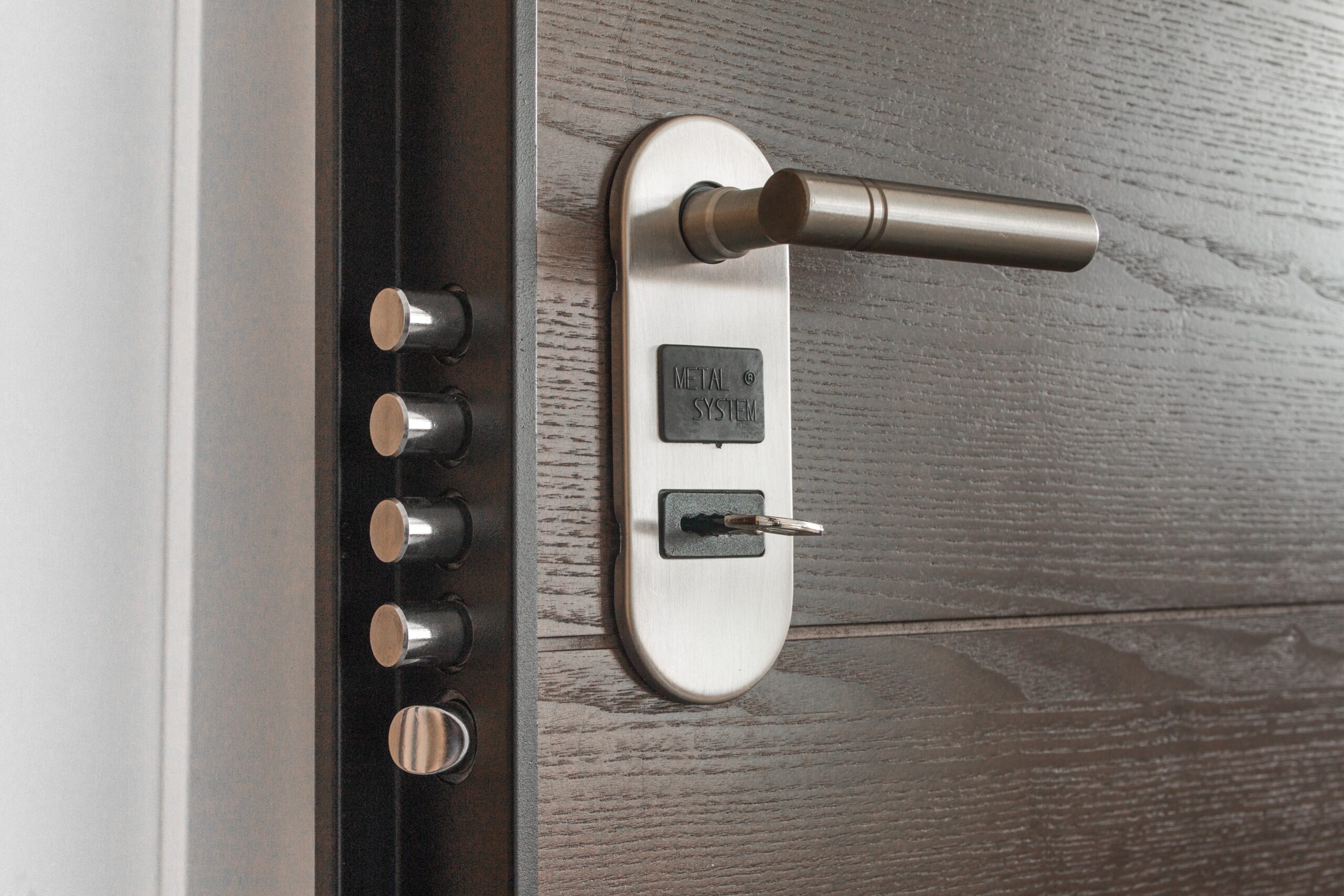
It is easy to focus on cameras and alarms while overlooking the simple, powerful basics that stop most intrusions. The majority of break-ins exploit unlocked or weak doors and windows, so the highest-value security measures are often the least glamorous: quality locks, solid exterior doors, reinforced door frames and strike plates, secure windows, and the consistent habit of actually locking up. A thousand dollars of cameras does little if the back door is left unlocked. Before investing in technology, make sure your home’s physical shell, its doors, windows, and locks, is genuinely secure, because this delay layer defeats a huge share of attempts on its own. The unglamorous fundamentals of good locks and locked doors are the foundation the fancier layers build upon, and skipping them for gadgets is a common and costly mistake.
Delay: physical barriers that buy time
Physical barriers slow an intruder and increase the chance they abandon the attempt or are caught. This layer runs from the property perimeter, fences, gates, and defensive landscaping, inward to the hardened doors and windows of the home itself. Each barrier an intruder must overcome adds time and risk for them, and the cumulative delay of multiple layers is often enough to end the attempt.
Respond: the plan for when it happens
The final function is your response plan, decided in advance so no one has to improvise under stress. For most families, the safest response prioritizes protecting the family over confronting an intruder: a plan to gather in a secure room, call for help, and get everyone to safety, as covered in non-lethal home defense. Knowing exactly what your family does when an alarm sounds or a threat is detected turns a terrifying moment into a practiced procedure.
The community layer
Beyond your own property, a watchful neighborhood is one of the most effective security layers of all. Neighbors who look out for one another, notice the unusual, and share information multiply everyone’s security far beyond what any single home can achieve, which is why community, covered in building community, belongs in every security plan.
Layered home security, condensed
- Security is a system of four functions: deter, detect, delay, respond.
- Deterrence prevents most opportunistic intrusions; make your home look difficult.
- Detection buys time; secure the physical basics before chasing gadgets.
- Layer physical barriers from the perimeter inward to add delay.
- Plan your family’s response in advance, and lean on a watchful community.
A secure home is not the one with the most expensive alarm; it is the one with layers working together so that it is simply too much trouble to be worth targeting. Address all four functions, deter, detect, delay, and respond, get the unglamorous basics of locks and doors right before adding technology, plan your family’s response in advance, and connect with watchful neighbors. Built this way, your home security becomes a deep, resilient system that protects your family through prevention and preparedness rather than confrontation, which is exactly how it should work.