Almost every vegetable garden runs on the same yearly cycle: till the bed, start or buy seedlings, plant, tend, harvest, then pull the spent plants and start the whole process over again next spring. Perennial vegetables break that cycle. Plant them once, give them a year or two to settle in, and they come back on their own every spring after that, for a decade or more, with no replanting and a fraction of the yearly labor an annual bed demands. Our guide to berry bushes for food security makes this same case for fruit: a mature planting keeps producing whether or not you had time to tend a garden that year. Perennial vegetables bring the same resilience to the vegetable side of the plot.
Why perennial vegetables are a food security asset, not a novelty
Annual vegetables are valuable, but they are also fragile in a specific way: every single one of them depends on you successfully starting, planting, and tending a new crop every single year. Miss a spring planting window because of illness, a move, a busy season, or a genuine emergency, and that year’s harvest simply does not happen. A bed of established perennial vegetables does not have that failure point. The plants are already in the ground, already rooted, and will push up new growth on their own schedule whether or not you managed to get seed trays started in March. For a household planning around resilience rather than convenience, that difference matters more than it looks like on paper.
Perennial vegetables also tend to need less from the soil once established, because they are not being pulled out and replanted every year, which disturbs soil structure and interrupts the fungal networks and organic matter buildup that develop under undisturbed ground. A perennial bed left alone for years generally gets healthier soil under it, not worse, the opposite of what continuous annual tillage tends to do.
The tradeoff: patience up front, decades back
The honest catch with perennial vegetables is that almost none of them reward you in year one. Most need a full growing season, and several need two, simply establishing roots and foliage before you harvest anything at all. Harvesting too early, before the plant has built up enough root reserves, can weaken or even kill it. This is the opposite bargain an annual vegetable offers: annuals ask for a full season of work every single year but pay you back that same year, while perennial vegetables ask for one or two seasons of near-total patience and then pay you back for a decade or more with comparatively little ongoing work. Both are legitimate strategies, and most resilient gardens run both at once. But it is worth going in with the right expectations: a perennial vegetable bed planted this spring is mostly an investment in food security three, five, and ten years from now, not this September.
Plants worth the wait
Asparagus: the longest-lived vegetable in most gardens
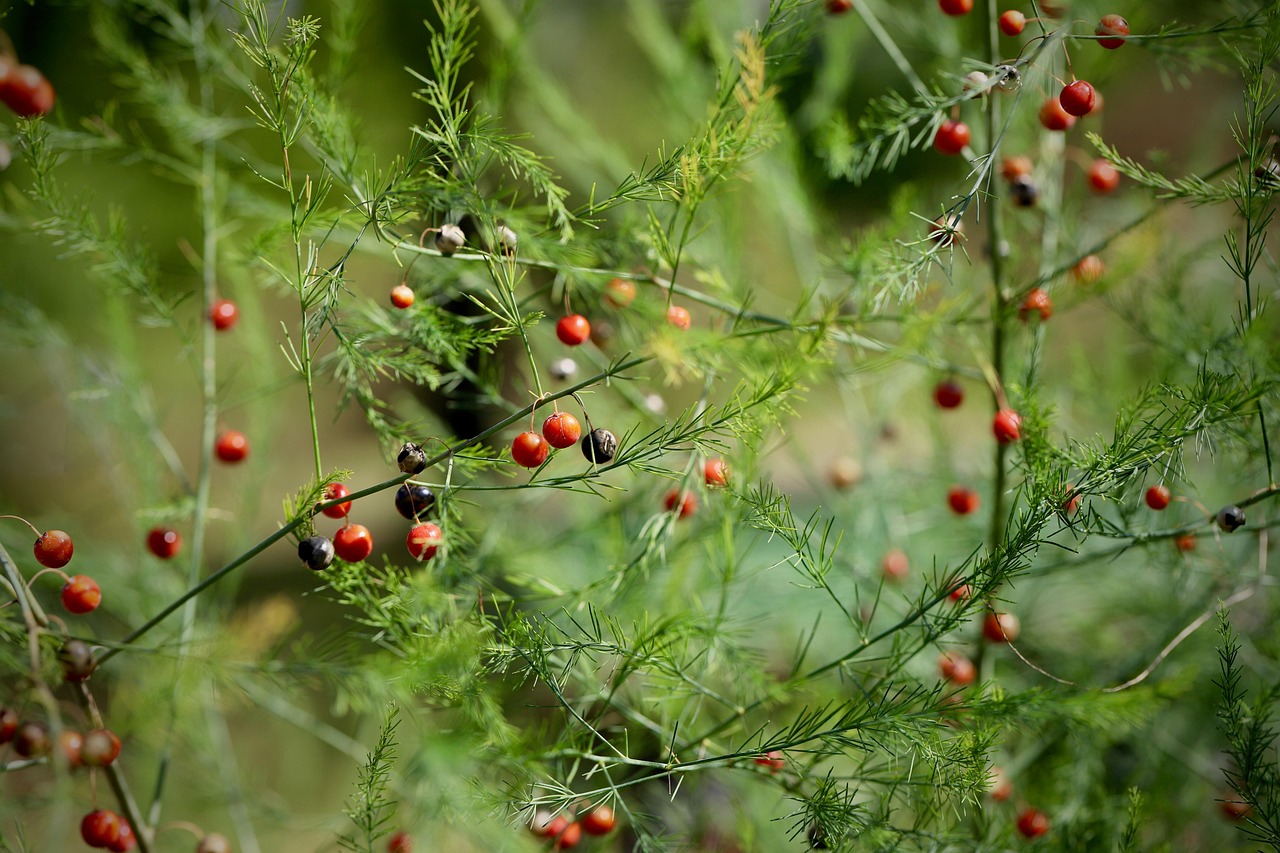
A well-sited asparagus bed can keep producing spears for fifteen to twenty years or longer, which puts it in the same lifespan category as a fruit tree rather than a typical vegetable. The tradeoff is real patience at the start: plants need two to three years to establish before you harvest at all, and cutting spears too early weakens the crown for future years. Once established, though, a mature asparagus bed needs little beyond an annual top-dressing of compost and a fall cutback, and it will keep sending up spears every spring for longer than most gardeners keep the same house.
Rhubarb: cold-hardy, low-maintenance, and productive for decades
Rhubarb is about as close to set-and-forget as a food crop gets, provided your climate suits it: it wants a real winter chill to thrive and struggles in warm-winter regions. A single crown, once established, can keep producing stalks for ten to twenty years, dividing naturally over time into more crowns you can split off and replant elsewhere on the property. Give it one season to establish before harvesting anything, then expect a reliable spring harvest for as long as you keep the bed.
Sunchokes (Jerusalem artichokes): the vegetable that plants itself
Sunchokes are a native tuber that produces so reliably once established that the more common problem is controlling their spread rather than getting them to grow. Any tuber left in the ground over winter will resprout the following spring, which means a sunchoke bed is effectively self-planting from year two onward. They tolerate poor soil, need almost no care, and produce a real caloric harvest of starchy tubers each fall. The tradeoff is the same vigor that makes them low-maintenance: plant them somewhere contained, a bed with a barrier or an area you do not mind them claiming, since they are difficult to fully remove once established.
Walking onions: a perennial allium that plants its own next generation
Egyptian walking onions, sometimes called tree onions, grow small bulblets at the top of their stalks instead of (or in addition to) flowering normally. Left alone, the stalk eventually bends under the weight of those bulblets and plants them a foot or two away, which is where the “walking” name comes from. The result is a perennial onion patch that spreads itself outward a little more every year with zero replanting, giving you both scallion-like green shoots through the season and small bulbs to harvest and use like regular onions.
Perennial greens, sorrel, and sea kale: the early-spring bridge crop
A cluster of hardy perennial greens fills a specific and underrated role: they are often the first fresh green vegetable available in spring, well ahead of anything you could start from seed that same year. French sorrel comes back reliably every spring with a sharp, lemony leaf that works in salads or cooked down like spinach. Sea kale, less commonly grown but well worth the space, sends up tender blanched shoots in early spring that many gardeners consider one of the best-tasting vegetables they grow, alongside broader, kale-like leaves later in the season. Both are true perennials that die back in winter and return from the same root system for years, filling the gap between “the stored harvest is running low” and “the annual garden is finally producing.”
Where perennial vegetables actually fit in a resilient garden
The practical answer is: at the edge, not the center. Perennial vegetables occupy the same ground indefinitely, so they work best planted somewhere that will not be tilled, rotated, or disturbed by the annual vegetable rotation happening elsewhere in the garden. A dedicated perennial bed along a fence line, the edge of a food forest planting, or a section that gets carved out once and left alone from then on all work well. If you are already building a layered planting, our guide to the backyard food forest covers a root layer that several of these same perennial vegetables, sunchokes especially, fit into naturally alongside trees, shrubs, and ground covers.
Soil quality still matters, even for plants known for tolerating neglect. Asparagus and rhubarb in particular reward a well-prepared bed at planting time, since you are not going to get a second chance to till in compost once the crowns are established and you want them left undisturbed for a decade. If your soil needs building up, do that work before you plant, using the approach in our guide to building healthy soil and composting. A perennial bed started on poor soil will underperform for its entire lifespan in a way an annual bed, replanted fresh each year, can more easily recover from.
It is also worth thinking about seed and root stock the same way you would think about a seed bank. Several perennial vegetables, sunchokes and walking onions especially, are propagated from divisions or offsets rather than seed, and once you have an established planting you effectively have a permanent, self-renewing source of new plants to expand your own beds or share with neighbors. That is a meaningfully different kind of self-reliance than the seed-saving practices covered in our guide to building your own seed bank, but it serves the same underlying goal: not depending on a store or supplier to keep growing food next year.
Common questions
Which perennial vegetable pays off fastest?
Perennial greens like sorrel are usually the quickest, often giving a light harvest within the first year and a full one by the second. Walking onions are close behind. Asparagus is the slowest, generally two to three years before the first real harvest, but it is also the longest-lived of the group once it gets there.
Can I grow perennial vegetables in a small yard?
Most of them, yes, in modest quantities. Sunchokes are the exception to plan carefully for, since they spread aggressively and are hard to fully remove once established; give them a contained bed rather than open ground in a small space. Asparagus, rhubarb, sorrel, sea kale, and walking onions are all reasonable to fit into a single dedicated bed or border even on a small suburban lot.
Do perennial vegetables need to be replanted eventually?
Most will keep producing well past a decade without replanting, though yields on some, asparagus in particular, can decline after fifteen to twenty years and benefit from a fresh bed at that point. Rhubarb and many perennial alliums are more commonly divided and replanted periodically to keep them vigorous, which also happens to generate free new plants for expanding the bed rather than being pure maintenance.
Perennial vegetables, condensed
Plant asparagus, rhubarb, sunchokes, walking onions, and hardy perennial greens like sorrel and sea kale once, give them a season or two of patience while they establish, and they will keep feeding you for a decade or more with a fraction of the yearly labor an annual vegetable garden demands. Site them somewhere they will not be disturbed by annual rotation, prepare the soil well since you will not get a second chance once they are established, and think of an established bed as a self-renewing source of both food and new plants, the vegetable-garden equivalent of the fruit trees and berry bushes already doing the same job elsewhere on a resilient homestead.