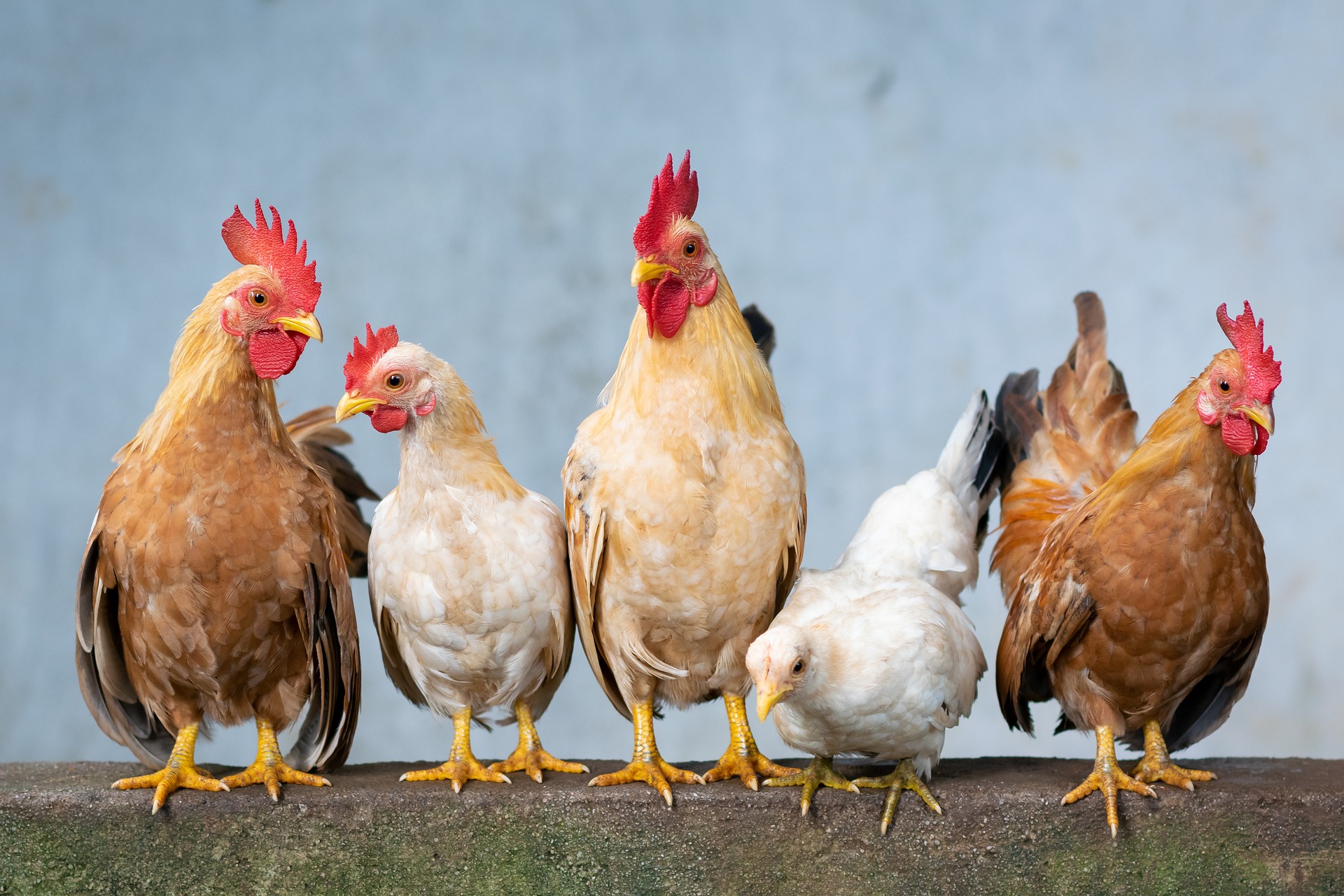
Adding animals to a homestead is a major step toward self-reliance, providing food, materials, and a renewable source of protein that a garden alone cannot match. But not all livestock suit a beginner or a small property, and choosing the right animals to start with makes the difference between a rewarding experience and an overwhelming one. Two animals stand out as ideal entry points into livestock: chickens and rabbits. Both are small, manageable, productive, and forgiving, making them the natural first choice for a homestead beginning to raise its own animals. This guide covers why they suit small-scale keeping and how to think about starting.
Why chickens and rabbits are the ideal starters
Chickens and rabbits share the qualities that make livestock manageable on a small scale and approachable for beginners:
- They are small and need little space, fitting on even a modest property where larger livestock could never go.
- They are productive quickly. Chickens provide eggs regularly, a renewable daily food, and both animals reproduce and grow fast, providing meat relatively quickly compared to large livestock.
- They are affordable to start and keep, with low startup costs and modest feed needs, so the barrier to entry is low.
- They are relatively easy and forgiving for beginners to learn on, letting you build animal husbandry skills without the stakes of larger, costlier livestock.
These qualities make chickens and rabbits the sensible first livestock, letting a homesteader gain real experience and real food while keeping the commitment manageable, exactly the measured, one-system-at-a-time approach that keeps a homestead from overwhelming its keeper.
Chickens: eggs, meat, and more
Chickens are perhaps the ultimate beginner livestock, offering a remarkable return for modest effort. They provide a steady supply of fresh eggs, a renewable protein source that keeps coming, and can also be raised for meat. Beyond food, chickens contribute valuable manure that enriches the garden, help with pest control by eating insects, and turn kitchen and garden scraps into eggs and fertilizer, closing loops on the homestead. They need a secure coop, food and water, and basic daily care, and in return they are one of the most productive and satisfying animals a small homestead can keep. Proper coop design and care is the key to keeping them healthy and safe.
Rabbits: efficient meat production
Rabbits are one of the most efficient sources of homegrown meat, prized for how quickly and productively they convert feed into protein in a small space. They breed and grow rapidly, produce lean, healthy meat, take up little room, are quiet, and their manure is excellent for the garden. For a homestead focused on producing its own meat efficiently and on a small footprint, rabbits are hard to beat, and keeping them is straightforward with proper housing, feed, and care. Raising rabbits does involve breeding and, for meat, humane butchering, covered in raising rabbits, which are skills to learn with care and respect for the animals.
Start small and learn before you scale
The wisest way to begin with livestock is to start with a small number of animals and learn thoroughly before expanding, because animals are living creatures that depend on you daily and mistakes have real consequences for them and for you. Begin with a few chickens or a small rabbit setup, learn their needs, their care, their health, and the daily rhythm of tending them, and get genuinely comfortable before scaling up or adding more species. This measured approach lets you build real animal husbandry skills, discover the actual time and cost commitment, and avoid the burnout and losses that come from taking on too much too fast. Livestock reward steady, learned care and punish overreach, so resist the temptation to acquire many animals or multiple species at once. Master keeping a few animals well, and you build a foundation of skill and confidence that makes expanding later far more successful. The homesteader who starts with a handful of chickens and learns them completely is on a far surer path than one who acquires a menagerie and is overwhelmed, and this patient scaling is the same principle that governs all successful homesteading. Get good at a little before you take on a lot.
Responsibilities of keeping animals
Whatever livestock you choose, keeping animals is a genuine daily responsibility that does not pause for weekends, vacations, or bad weather, and this commitment should be understood before you begin. Animals depend on you for food, water, shelter, health care, and protection from predators every single day, and you must plan for their care when you are away and for the realities of animal illness and death. Understanding local rules is also important, since keeping livestock may be regulated, so check your local ordinances before acquiring animals. Embraced with this understanding, the responsibility of livestock is deeply rewarding, but it is real and continuous.
Small-scale livestock, condensed
- Chickens and rabbits are the ideal beginner livestock: small, productive, affordable, forgiving.
- Chickens give renewable eggs, meat, manure, and pest control on little space.
- Rabbits produce lean meat efficiently in a small footprint.
- Start with a few animals and learn thoroughly before scaling or adding species.
- Livestock is a genuine daily responsibility; understand the commitment and local rules first.
Raising a few chickens or rabbits is one of the most rewarding steps a homestead can take toward self-reliance, providing renewable food, valuable manure, and real animal husbandry skills for a manageable commitment. Choose these forgiving, productive starter animals, begin with a small number, learn their care thoroughly before expanding, and embrace the genuine daily responsibility that keeping animals entails. Do that, and you gain not just eggs and meat but a foundational competence in raising livestock that opens the door to greater self-reliance, all built on the sound footing of starting small and learning well.