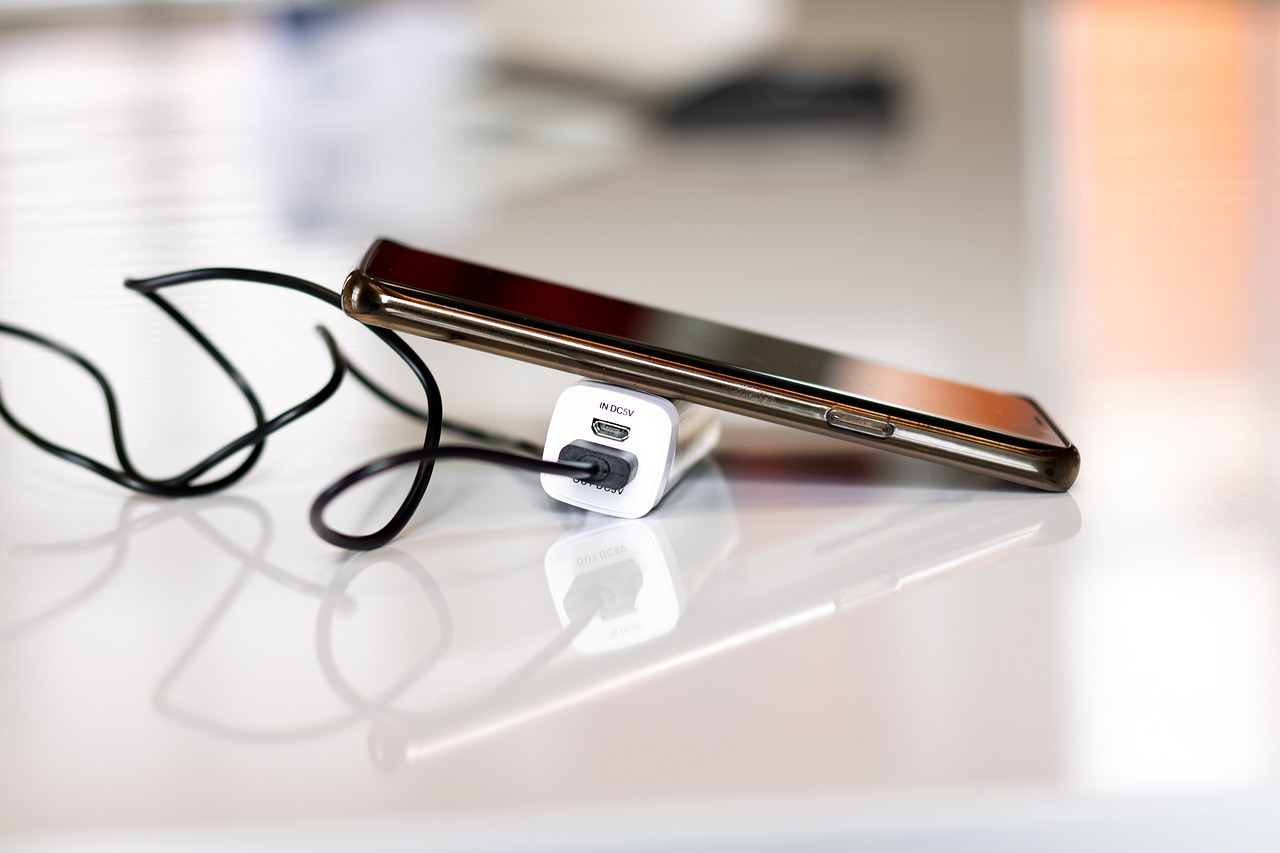
A phone at ten percent is not just an inconvenience during an outage, it is your weather alerts, your family group chat, and your flashlight all going dark at once. A good power bank is the cheapest, smallest piece of insurance you can buy against that, and unlike a whole-home generator it fits in a bag and needs nothing but a charge before you go. This guide covers how to size one correctly and names the specific models we would hand a friend, from a pocket brick to a battery station built to run a whole kit through a multi-day outage.
Why a power bank belongs in every layer of your kit
Phones, headlamps, and rechargeable flashlights have quietly become the backbone of most people’s preparedness gear, and every one of them runs on the same USB-C plug. A power bank is what keeps that whole layer alive once the wall outlets go dark. It is also the piece of gear that pays for itself the other 364 days a year, on road trips, at the ballpark, or on a dead-battery morning, so buying a good one is never wasted money the way some emergency-only gear can feel.
How to choose: the four specs that matter
Size the mAh to the job, not to the biggest number on the shelf. A phone battery holds roughly 3,000 to 5,000 mAh, so a 5,000 to 10,000 mAh bank gives most phones one to two full charges, which covers a pocket or daypack. A 20,000 mAh unit is built for a multi-day kit charging several devices, or for topping off a headlamp and a phone without a recharge in between. Bigger is not automatically better: it is heavier, slower to refill itself, and often overkill for what actually lives in your pocket.
Pass-through charging is what makes a bank part of a real setup. A pass-through or simultaneous charge feature lets the bank charge a device while it is itself being charged, for example from a solar panel during the day while still topping off a phone at night. Without it you are stuck choosing between charging the bank or charging your gear, one at a time, which is a bad position to be in during a real outage.
USB-C PD (Power Delivery) decides how fast everything fills back up. Look for a bank rated in watts, not just amps: 18W is fine for a phone, 45W and up meaningfully speeds up charging a laptop or refilling the bank itself from the wall or a solar panel before the sun goes down. A high-wattage bank saves real hours over a multi-day event, when every charge cycle competes for daylight.
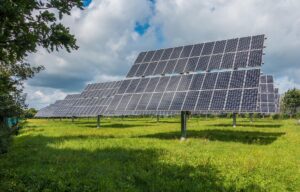
Solar refill is the honest answer to “then what?” A power bank is a battery, not a generator: once it is empty, it stays empty unless you can put power back into it. If your plan covers more than a couple of days, pair the bank with a foldable solar panel or make sure it accepts one, so a sunny afternoon can actually put charge back into your kit instead of just waiting for the grid to come back.
Seven power banks, three jobs: pocket, kit, and multi-day


Affiliate note: buy through these links and ThisTracks may earn a small commission at no extra cost to you. We only list gear that is in stock and that we would carry ourselves.
Use and maintenance: get the habits right
Keep any power bank between roughly 40 and 80 percent charged for long-term storage rather than sitting full at 100 percent for months, which shortens lithium battery life over time. Cycle it, use it, and refill it every few months even if you never needed it for an emergency, so you actually know it still holds a charge when the day comes. Keep the cables it needs stored with it, since a power bank without its cable is just a paperweight, and store it somewhere temperate, since cold weather cuts battery capacity on power banks the same way it does on flashlights and headlamps.
Where a power bank fits your kit
Think of power banks in the same three layers as your lights. A small one belongs in your everyday carry so a dead phone is never a daily crisis. A mid-size or large bank belongs in every grid-down kit, ready to keep phones, radios, and rechargeable lights running through the first few days without power. And it is exactly what keeps your headlamp and flashlight topped off once the outlets go quiet, which is the whole reason to own one in the first place.
Common questions
How much mAh do I actually need?
For a pocket or daypack, 5,000 to 10,000 mAh covers a phone comfortably for a day or two of heavy use. For a household kit meant to run several devices through a multi-day outage, look at 20,000 mAh and up, and consider more than one bank rather than a single giant unit that takes all day to refill.
What does USB-C PD actually get me?
Faster charging in both directions. A PD-rated bank refills itself quicker from a wall charger or solar panel, and it charges power-hungry devices like tablets and laptops faster than a standard USB port. It matters most when daylight or wall-outlet time is limited and every hour of charging counts.
Do I need a solar panel too?
If your plan only covers a day or two, probably not, just recharge the bank before the event. If you are planning for anything longer, yes: a power bank alone is a fixed amount of stored energy, and a solar panel is the only way to add more once the grid has been down for a while.
Power bank buying, condensed
Size the mAh to the job: 5,000 to 10,000 for a pocket, 20,000 and up for a household kit. Prioritize USB-C PD and pass-through charging over raw capacity alone, since speed and flexibility matter more than a bigger number once you are actually managing a charging rotation. Keep it partially charged in storage, cycle it a few times a year, and pair it with a solar panel if your plan runs past a couple of days.