A go-bag has one job: to let you walk out the door in sixty seconds with everything you need to keep yourself alive and functional for about three days. It is not a bunker on your back and it is not a camping trip. It is the bridge between the moment you have to leave and the moment you reach safety, a car, a shelter, or a relative’s house. Pack it once, keep it by the door, and it quietly waits for the day you will be very glad it exists.
Why three days
Three days, roughly seventy-two hours, is the window that gets most people through the gap between a sudden emergency and either help arriving or reaching a longer-term plan. It is enough to matter and light enough to carry. Your home supplies handle the two-week stay; the go-bag handles the escape. Keep the two jobs separate and neither one bloats into the other.
Water and a way to make more
Carry a liter or two of water to start, because a full pack of water is too heavy to run with. The real solution on the move is a filter, so you can drink from any stream, tap, or puddle you pass without carrying the weight.
Water on the move

Affiliate note: buy through this link and ThisTracks may earn a small commission at no extra cost to you. We only list gear that is in stock and that we would carry ourselves.
The full packing list, by category
Each of these deserves its own attention, and we have detailed guides for the big ones. Here is the whole bag at a glance:
- Water: a liter or two, plus a filter and treatment tablets.
- Food: three days of no-cook, calorie-dense items: bars, jerky, nut butter, trail mix. Nothing that needs a stove.
- Clothing: one change, weather-appropriate layers, sturdy broken-in shoes, and rain protection.
- Shelter and warmth: an emergency bivvy or blanket, a poncho, and a compact means of staying dry and warm overnight.
- First aid: a compact kit plus a few days of any daily medications.
- Fire and light: a reliable lighter or windproof matches, and a headlamp or small light with spare power.
- Tools: a solid multi-tool or knife, duct tape, and a few feet of cordage.
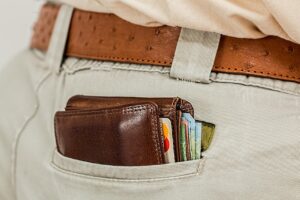
- Documents and cash: copies of identification and key papers in a waterproof bag, plus cash in small bills.
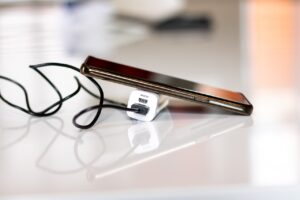
- Power and communication: a charged battery pack, cables, and a whistle to signal for help.
Warmth, fire, and a tool


Affiliate note: buy through these links and ThisTracks may earn a small commission at no extra cost to you. We only list gear that is in stock and that we would carry ourselves.
Pack for the person, not the fantasy
The most common go-bag mistake is packing a survival fantasy instead of your real needs. A parent’s bag needs diapers or kid snacks. Someone on daily medication needs a few days of it, rotated so it stays current. A person who cannot walk far needs a plan that does not assume a ten-mile hike. Build the bag around the actual human who will carry it, and skip the gear that only looks good in a photo.
Choosing the bag itself
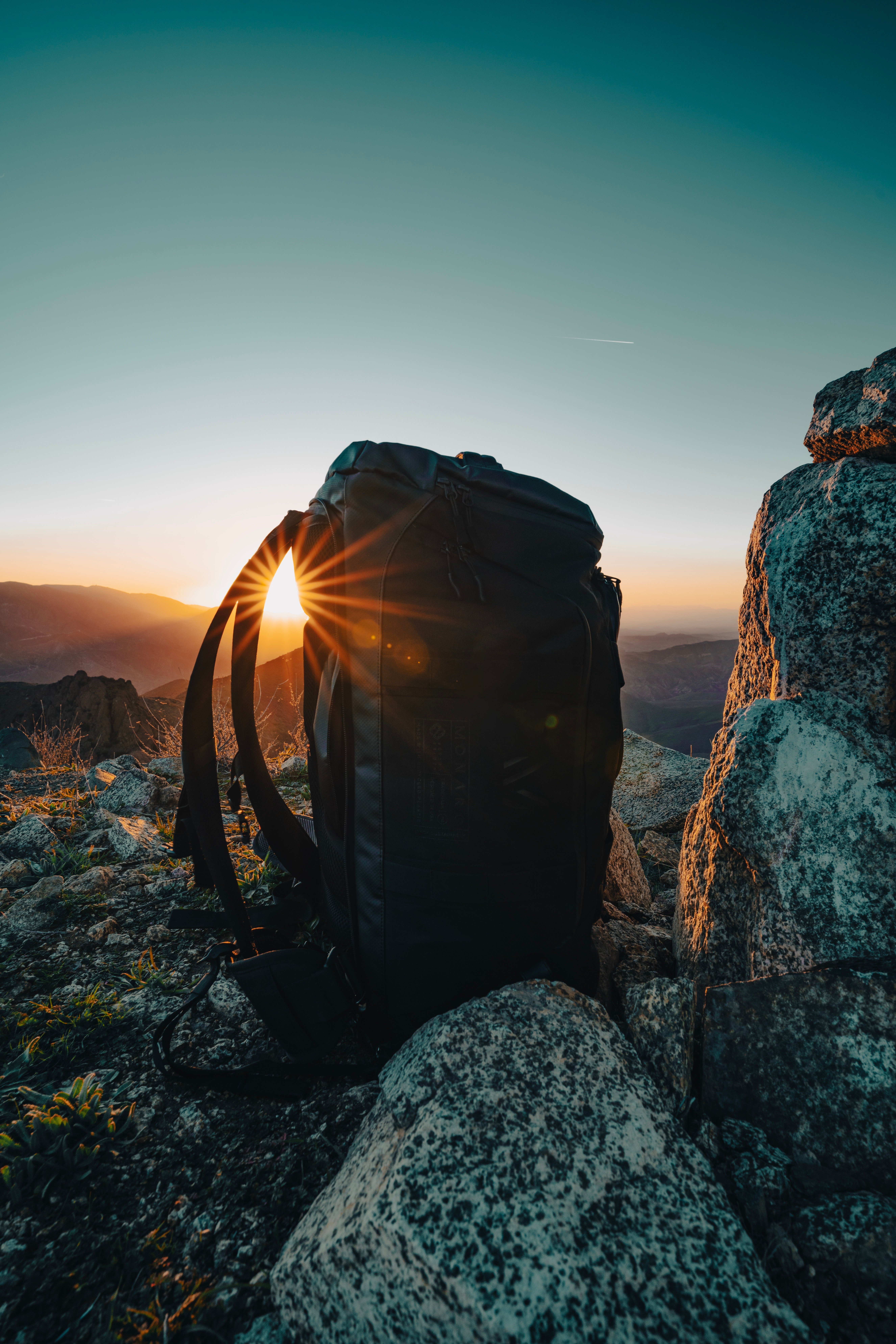
The container matters more than beginners expect. A general guideline is roughly 20-35 liters of capacity for an adult three-day bag, large enough for everything above without tempting you to overpack. Look for padded, adjustable shoulder straps and a hip belt if you can find one, since a heavy bag carried on the shoulders alone becomes exhausting fast, and water-resistant material or a rain cover keeps the contents dry in bad weather, which is exactly when you are most likely to be using it. A bag that is uncomfortable to wear for more than ten minutes will not get carried far when it counts.
One bag per person, and keep them current
Every family member gets their own bag, sized to what they can carry, so no single person is hauling everyone’s survival. Children can carry a small one with their own snacks, water, a light, and a contact card. Twice a year, open every bag: rotate the food and water, swap seasonal clothing, refresh medications, and re-charge the power banks. A go-bag full of expired food and a dead battery is a false sense of security.
The go-bag is the physical half of leaving; the decision half lives in your evacuation plan and your family emergency plan. Together they mean that when the moment comes, you grab a bag, you know where you are going, and you are gone before the crowd.
Where to keep it so grabbing it is automatic
Placement matters as much as contents. A bag buried in a closet under other items adds precious seconds and, worse, becomes something people forget exists. Keep it visibly staged near the primary exit you would actually use, a coat closet floor or a designated spot by the garage door, so grabbing it is a reflex rather than a search. If your household includes anyone with mobility limitations, position their bag somewhere they can reach and carry it without assistance, since a bag that requires help to lift defeats the purpose of being ready to move fast.
Common questions
How heavy should a finished go-bag actually be?
A common guideline is roughly 10 to 15 percent of an adult’s body weight, though fitness and any injuries or limitations matter more than a fixed formula. If you cannot comfortably carry your packed bag for at least a mile, it is too heavy, and trimming toward the lightest version of each category, especially food and clothing, is the fastest fix.
Should the go-bag live in the house, the car, or both?
The house, by the door, is the primary location, since it is where most evacuation triggers, a fire, a gas leak, an order to leave, will find you. A secondary, lighter kit in the car is a smart addition for anyone who commutes or travels regularly, covering the scenario where the trigger happens away from home.
What is the single most commonly forgotten item?
Cash in small bills. It is easy to assume cards will always work, but power outages and network failures during exactly the disasters that trigger an evacuation routinely take down card readers and ATMs, leaving cash as the only way to buy gas, food, or a hotel room.
Go-bag, condensed
- Three days of essentials, light enough to carry and run with.
- Water plus a filter, no-cook food, one change of clothes, real shoes.
- Shelter, fire, light, first aid, a multi-tool, documents, cash, and power.
- Choose a 20-35 liter bag with padded straps; target roughly 10-15% of body weight.
- One bag per person, packed for the real human who carries it.
- By the door. Checked and refreshed twice a year.
Build it this weekend. A packed go-bag is the clearest line between the people who scramble when they have to leave and the people who are already walking out the door.