In an evacuation, your ability to communicate and to keep your devices powered can matter as much as food or water. Your phone is your map, your news source, your link to family, and your call for help, all in one, and it is useless the moment its battery dies. Meanwhile, the ability to hear official information and to signal for help rounds out a communication and power kit that keeps you connected and findable when you are on the move and cut off from normal infrastructure. Here is what belongs in the communications and power section of your bug-out bag.
Power is the foundation
Every electronic tool you carry depends on power, and in an evacuation you may have no idea when you will next see an outlet. So the anchor of this kit is a way to keep your devices charged independently of the grid. A charged power bank covers the first day or two, but for anything longer, solar charging turns the sun into an endless power source.
Off-grid power for the road

Affiliate note: buy through this link and ThisTracks may earn a small commission at no extra cost to you. We only list gear that is in stock and that we would carry ourselves.
The communication layers
Communication in an evacuation means both reaching your people and receiving information, and you want redundant ways to do each, the same PACE logic behind any good communication plan:
| Layer | Tool | Best for |
|---|---|---|
| Primary | Phone (text) | Reaching family, maps, alerts |
| Receive-only | Battery/hand-crank radio | Official broadcasts when data is down |
| Local | Two-way radios | Staying in contact within a group, no network |
| No-power backup | Whistle, signal mirror | Signaling for rescue when everything else fails |
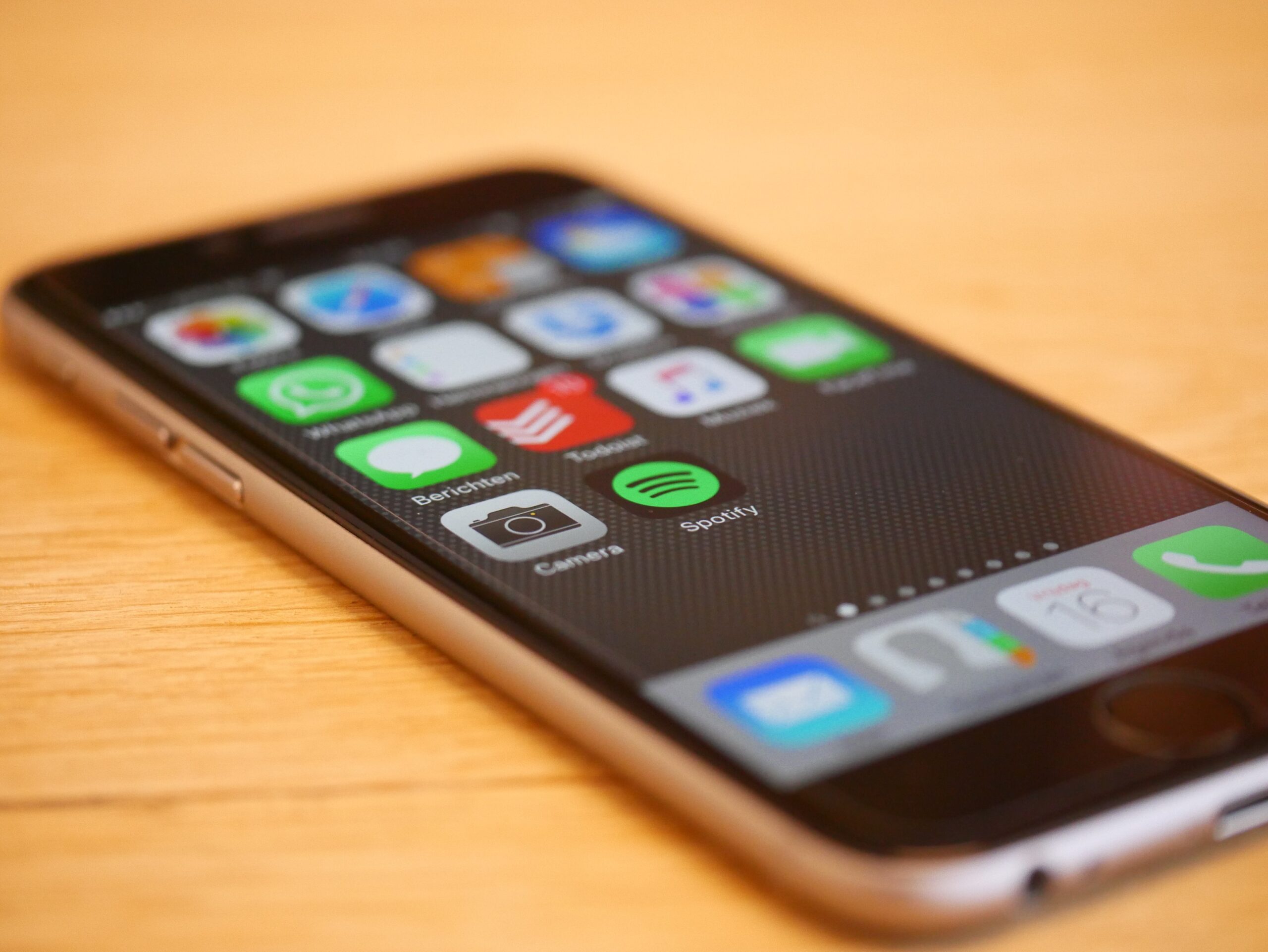
- Your phone, kept charged, as the primary tool for calls, texts, maps, and alerts. Remember that texts often get through when calls will not on congested networks.
- A battery or hand-crank radio to receive official emergency broadcasts when the internet and cell data are down. Information is a lifeline in an evacuation, telling you where to go and what to avoid.
- Two-way radios for a family to stay in contact within a local range with no cell network at all, invaluable if you are separated or traveling in a group.
- Charging cables and adapters for every device, because a power bank is useless without the right cable.
Signaling: being found is communication too
If you become stranded or need rescue, the ability to signal is a form of communication that needs no network or power at all, and these items weigh almost nothing. A loud whistle carries far beyond your voice and works when you are exhausted, and a signal mirror can catch the eye of a distant searcher or aircraft using only sunlight. These low-tech tools are the ultimate backup when every powered device has failed.
Power-free signaling


Affiliate note: buy through these links and ThisTracks may earn a small commission at no extra cost to you. We only list gear that is in stock and that we would carry ourselves.
Store the critical numbers off your phone
Here is a trap the digital age has set for all of us: almost no one memorizes phone numbers anymore, so when a phone dies or is lost, people cannot reach anyone. Do not let a dead battery cut you off from your own family. Keep a written card in your bug-out bag with your key contacts, your out-of-town relay person, and any critical numbers, along with your meeting points. Paper needs no charge and cannot crash. This simple backup ensures that even total electronic failure does not leave you unable to reach the people who matter most. The most reliable communication tool in your bag might be a laminated index card.
Estimating how much charging capacity you actually need
A rough rule of thumb: a fully charged modern smartphone used moderately (some texting, occasional map use, calls kept short) typically needs one to two full recharges to cover three days. A power bank in the 10,000 to 20,000 mAh range covers that for a single phone, while a solar panel adds charging capacity that scales with however many sunny hours you get, making it the better choice for anything beyond a short evacuation. Two-way radios and headlamps draw far less power than a phone, so they add relatively little to your total charging math.
Tie it into your plan
The gear only works inside a plan your family has agreed on in advance: who to contact, where to meet, and how you will reconnect if separated. Wire this kit into your overall family emergency plan and your broader go-bag, and keep everything charged and current with your twice-yearly bag check.
Common questions
Is a solar charger actually reliable, or does it depend too much on weather?
Solar output does drop substantially on overcast days, sometimes to a fraction of full sun output, which is exactly why it should supplement rather than replace a charged battery power bank rather than be your only power source. Pairing both, a charged bank for the first day or two and solar for the days after, covers the weather-dependency gap.
Do two-way radios require a license to use legally?
Basic FRS radios sold for consumer use require no license. More powerful GMRS radios require a simple license (no test) from the FCC, and full amateur (ham) radio requires passing an exam, covered in our ham radio guide. For most family bug-out purposes, FRS radios are sufficient and require no paperwork.
Should every family member carry their own power bank, or is one shared bank enough?
Individual bags benefit from at least a small personal power bank each, since a family could be separated during an evacuation, but a larger shared solar unit for the group’s main devices is a sensible way to add capacity without every bag carrying redundant full-size hardware.
Bug-out comms and power, condensed
- Power is the foundation; solar charging keeps devices alive indefinitely.
- Layer communication: charged phone, a radio to receive news, two-way radios, and cables.
- Carry power-free signaling: a whistle and a signal mirror.
- Keep a written contact card, because no one memorizes numbers anymore.
- Wire it all into your family plan and keep it charged and current.
The communications and power component of a bug-out bag is what keeps you informed, connected, and findable when you are cut off from the systems everyone relies on. Anchor it with off-grid charging, layer your ways to reach people and receive news, add power-free signaling for the worst case, and back it all with a written contact card. Do that, and an evacuation finds you able to navigate, stay in touch, and call for help, which is exactly the capability that turns a frightening displacement into a managed one.