Preparedness has an expensive reputation, and the gear industry is happy to keep it that way. But a huge share of a solid kit can be assembled secondhand, at thrift stores, garage sales, estate sales, and online marketplaces, for pennies on the dollar. The catch is knowing what to buy used and, just as importantly, what you should always buy new. Get that distinction right and the thrift store becomes one of the best-value tools in all of preparedness. Get it wrong and you can end up trusting your safety to gear that fails.
What to buy secondhand
Durable, simple, non-safety-critical items are perfect thrift finds. These things either work or they obviously do not, and age barely affects them:
- Hand tools: shovels, axes, hammers, wrenches, saws, and pliers. Old tools were often made better than new ones, and a little rust cleans off.
- Cookware and containers: cast iron, stainless pots, canning jars, metal cans, and storage bins. Cast iron in particular is nearly immortal and restores beautifully.
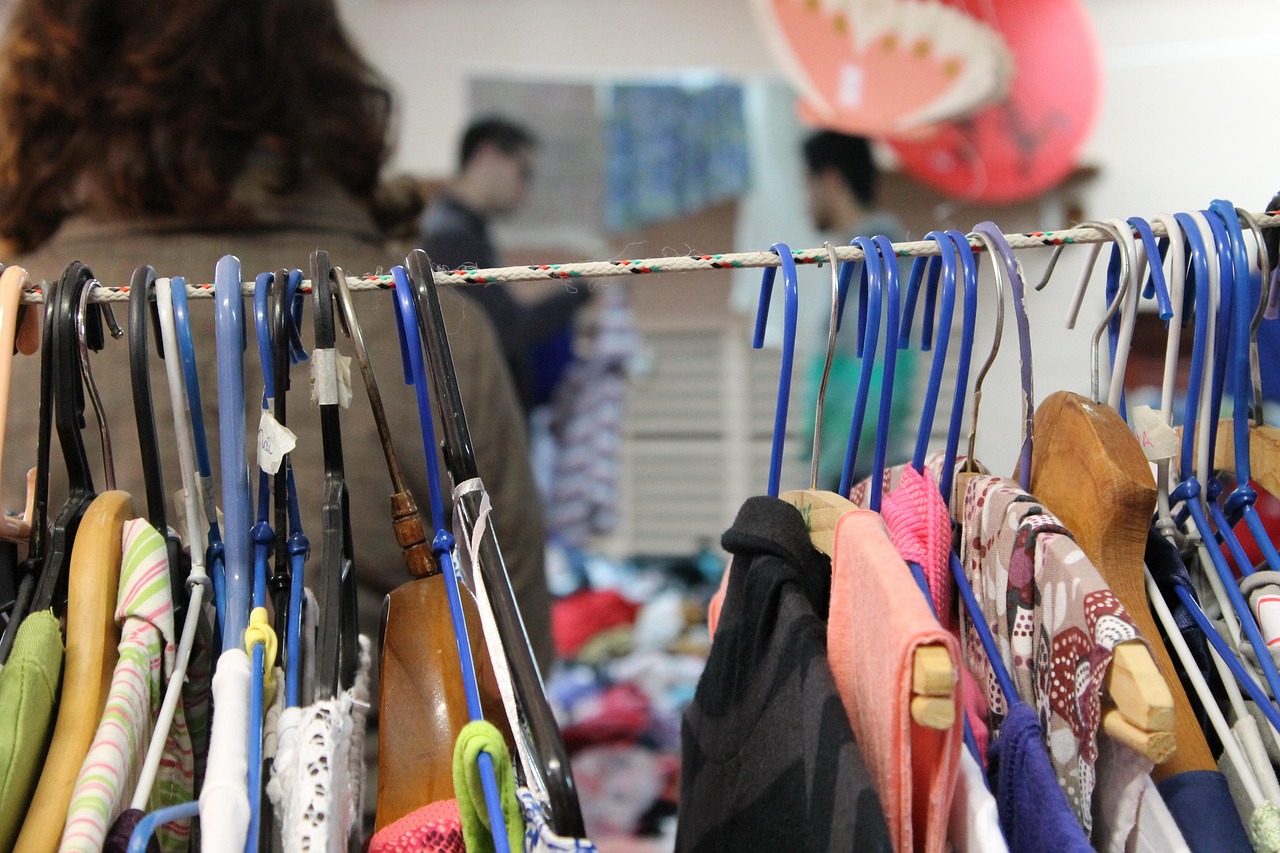
- Warm clothing and blankets: wool sweaters, coats, sturdy boots, and heavy blankets, all of which are expensive new and abundant used.
- Manual kitchen gear: hand-crank can openers, grinders, and other non-electric tools that a grid-down kitchen needs.
- Books and reference material: old manuals on gardening, first aid, repair, and homesteading are goldmines and often nearly free.
- Camping and outdoor gear: packs, tarps, and sleeping bags, inspected carefully for condition.
The rule that keeps thrifting safe
Buy used for anything that will simply do a job, and buy new for anything your life directly depends on. A secondhand shovel that breaks is an annoyance; a secondhand water filter that fails, or an expired medication, or a rusted-through gas can, can hurt you. The dividing line is consequence of failure. When a broken item just means inconvenience, thrift it and save the money. When a broken item means illness, injury, or worse, spend for new and known-good. Apply that single test and you get the savings without the risk.
What to always buy new
Some categories should never be trusted to the thrift store, because you cannot verify their integrity and the cost of failure is too high:
| Category | Why it must be new |
|---|---|
| Water filters and purification | A compromised filter element is invisible and lets through exactly what it should stop |
| First aid and medical supplies | Sterility and expiration cannot be verified secondhand |
| Safety equipment (helmets, protective gear) | Unseen impact damage or material degradation |
| Fuel containers and pressurized items | A rusted or cracked seal is a real hazard |
| Consumables that expire | Condition and age at time of sale is unverifiable |
- Water filters and purification: you cannot see a compromised filter element, and a failed one lets through exactly what it is supposed to stop.
- First aid and medical supplies: sterility and expiration matter, and used medical gear is a false economy that can fail when you need it most.
- Safety equipment: helmets, protective gear, and anything rated to protect your body may have unseen damage or degradation.
- Fuel containers and anything holding pressure or flame: a rusted or cracked gas can or propane fitting is a genuine hazard.
- Consumables that expire: food, batteries, and chemicals whose condition and age you cannot confirm.
Worth buying new and known-good


Affiliate note: buy through these links and ThisTracks may earn a small commission at no extra cost to you. We only list gear that is in stock and that we would carry ourselves.
Thrift smart
Inspect everything carefully in the store: check tools for cracks, cookware for warping, clothing for moth damage, and zippers and seams on gear. Test what you can. Know rough new prices so you recognize a genuine bargain versus an overpriced castoff. And go often, because thrift inventory is random; the score you want will not be there every visit, but patience turns up remarkable finds over time.
Where to look beyond the thrift store
Thrift stores are only one venue. Estate sales, especially the last day when prices are often slashed, are excellent for tools and cast iron from a generation that bought quality. Garage sales are unpredictable but occasionally yield an entire box of camping gear for almost nothing. Online marketplaces let you search specifically, so you can hunt for a particular brand of cookware or a specific hand tool rather than hoping to stumble across one. Farm auctions and estate liquidations in rural areas are an underused source for genuinely well-made older tools that outlast their modern equivalents. Pair this approach with our roundup of budget gear under $25 to fill the gaps thrifting cannot, and it all serves the broader goal of prepping on a budget.
Common questions
How do I know if a secondhand tool is actually good quality versus just old?
Weight and material are usually the tell. A hand tool that feels notably heavier and denser than a modern equivalent is often made from better steel or cast iron, since manufacturers have generally moved toward lighter, cheaper materials over recent decades. A little research on the brand stamped into the tool, when it is legible, can confirm whether it was a quality maker.
Is it worth restoring rusty cast iron, or should I skip pieces with heavy rust?
Heavy surface rust on cast iron is almost always fully restorable with basic scrubbing, a vinegar soak, and reseasoning, and it should not disqualify an otherwise solid piece. Pitting or actual holes in the metal are a different story and are a legitimate reason to pass.
What is a reasonable budget to set for a thrift-based prepping trip?
Twenty to forty dollars per trip is enough to come home with several genuinely useful items in most areas, and setting a cap before you go helps avoid impulse buys on things that only sound useful in the moment. Consistent smaller trips over months tend to outperform one large binge, since inventory turns over constantly.
Thrift-store prepping, condensed
- Buy used for durable, simple, non-safety-critical gear: tools, cookware, wool, books.
- The rule: thrift what only fails into inconvenience; buy new what fails into harm.
- Always buy new: filters, medical supplies, safety gear, fuel cans, and consumables.
- Inspect and test everything, and know new prices to spot real bargains.
- Go often, and look beyond thrift stores to estate sales, auctions, and online marketplaces.
The thrift store is proof that preparedness does not have to be expensive. With a sharp eye and the simple new-versus-used rule, you can build most of a capable kit for a fraction of retail and put the savings toward the few things worth buying new. Frugality and readiness are natural partners, and the family that shops smart can be just as prepared as the one that spent ten times as much.