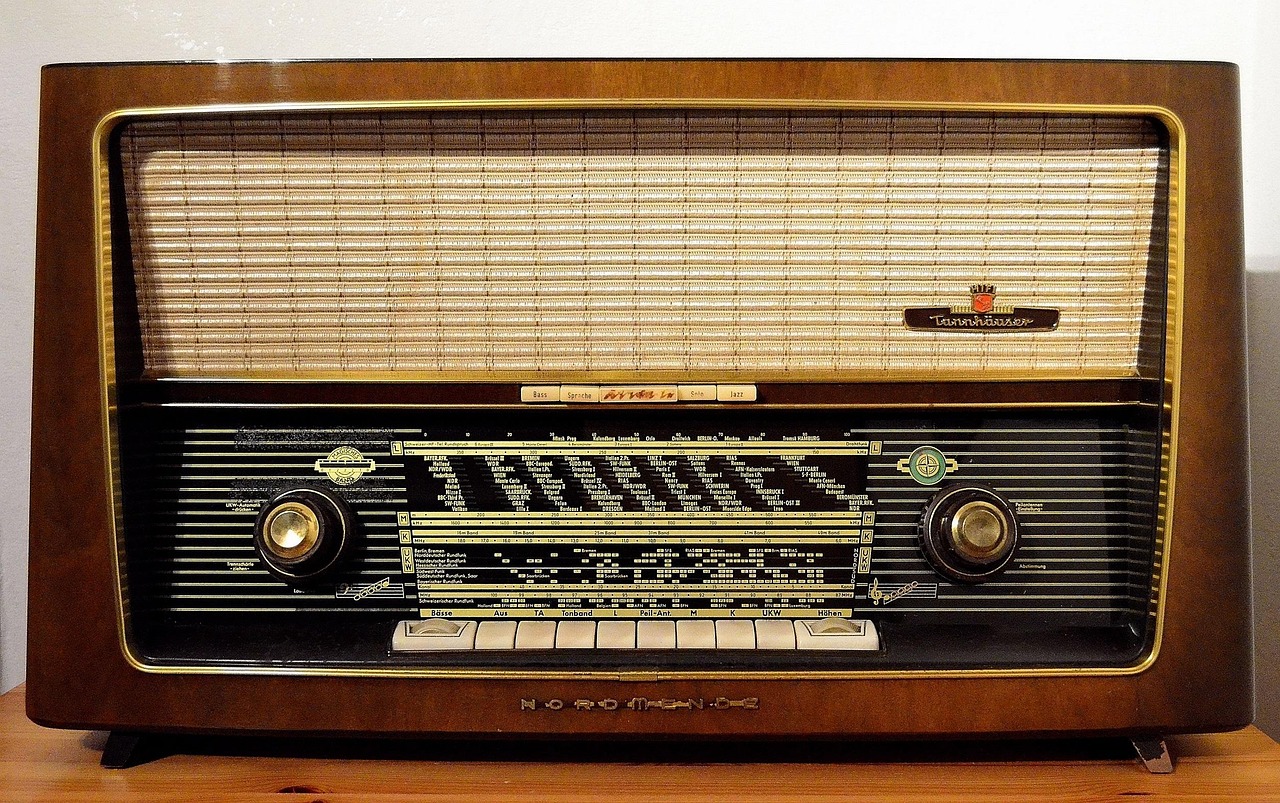
When cell towers are overwhelmed, the internet is down, and the power grid has failed, one communication method keeps working: amateur radio, known as ham radio. For over a century, when all other communication fails, ham radio operators have kept information flowing during disasters, relaying emergency traffic, coordinating relief, and connecting isolated communities. For the serious prepper, a ham radio capability is one of the most robust communication tools available, because it depends on no infrastructure at all. This guide introduces what ham radio is, why it matters for preparedness, and how to get started.
Why ham radio is the ultimate backup
The reason ham radio is so valuable in emergencies is precisely that it is independent. It does not rely on cell towers, internet providers, or any centralized infrastructure that can fail or become overwhelmed. Two operators with radios and power can communicate directly, and networks of operators can relay messages across enormous distances, even worldwide, with the right equipment. When a disaster takes down the normal communication systems everyone depends on, ham radio keeps working, which is why emergency services and relief organizations rely on amateur operators during major disasters. It is the deepest, most resilient layer of any communication plan.
You need a license, and it is worth getting
Operating a ham radio transmitter legally requires a license, which you earn by passing an exam on radio theory, regulations, and safety. This is not a bureaucratic obstacle to resent; it is genuinely valuable, because the licensing process teaches you how to actually use the equipment effectively, which matters enormously when you need it in an emergency. A radio you do not know how to operate is useless in a crisis. The entry-level license is quite achievable with modest study, the exams are administered by volunteers, and earning it connects you to the community of operators who will be your network when disaster strikes. Get licensed, because owning a radio you cannot legally or skillfully use is not preparedness. And crucially, an emergency is the worst time to learn: practice on the air regularly so that when you truly need the skill, it is second nature rather than a scramble.
Getting started without overspending
You do not need an expensive, elaborate station to begin. The sensible path starts small and grows with your skills and license level:
| Stage | Focus |
|---|---|
| 1 | Study and pass the entry-level (Technician) license exam |
| 2 | Inexpensive handheld radio; make local contacts through repeaters |
| 3 | Regular contacts; join a local emergency communication group |
| 4 | Grow into base stations, better antennas, and higher license classes |
- Study for and pass the entry-level license. This is step one, and free study resources abound.
- Start with an inexpensive handheld radio to learn on and to make local contacts through repeaters, which extend the range of small radios considerably. This is an affordable way to get on the air and practice.
- Learn to use repeaters and make regular contacts, building real skill and joining local emergency communication groups.
- Grow into more capable equipment as your interest and license advance, including base stations and antennas that reach much farther, connecting to the world of HF radio for long-distance communication.
Power your station off the grid
A ham radio is only as useful as its power source in a disaster, since the whole point is operating when the grid is down. Plan independent power for your station: batteries, and a way to recharge them from solar or other off-grid sources, so your communication capability outlasts the outage. A handheld radio kept charged is ready to grab, while a base station needs a proper battery and charging setup.
What the license exam actually covers
The entry-level exam tests basic electronics theory, radio wave behavior, operating rules and etiquette, and safety practices, not deep engineering knowledge. Most first-time takers who study a dedicated question pool, the exact set of possible questions is publicly published in advance, for two to four weeks pass comfortably. Free practice exams that mirror the real test format are widely available, and taking a few practice runs until you consistently score well above the passing threshold is the most efficient way to prepare without overstudying material you will rarely use in practice.
The community is part of the capability
Ham radio is not just equipment; it is a community, and that community is a preparedness asset in itself. Local amateur radio clubs and emergency communication groups practice regularly, know the local repeaters and protocols, and form ready-made networks that activate during disasters. Joining them gives you skilled contacts, ongoing practice, and a place in an organized emergency communication system. This makes ham radio the deepest layer of a full communication plan, beneath your phone, your two-way radios, and your other methods, and it complements the privacy focus of secure communications with pure infrastructure-free reach.
Common questions
How much does a basic ham radio setup cost to start?
A capable entry-level handheld radio can be found for well under $100, and the license exam itself typically costs a modest administrative fee, often under $50. This makes the initial investment to get licensed and on the air with basic local capability quite accessible compared to many other preparedness categories.
Can I listen to ham radio frequencies without a license?
Yes. Listening (often called “monitoring” or being an SWL, short-wave listener) requires no license at all, and it is a genuinely useful way to learn how operators communicate, hear local emergency nets in action, and build familiarity before ever taking the exam yourself.
How often should I actually use my radio to stay proficient?
Monthly practice, even brief, is a reasonable minimum to keep basic operating skills fresh, and joining a local weekly or monthly emergency net, a scheduled practice check-in most active clubs run, is one of the best structured ways to build real proficiency without having to organize practice sessions yourself.
Ham radio, condensed
- Ham radio works when all infrastructure-dependent communication fails.
- Get licensed; the process teaches you to actually use the equipment.
- Start small with a handheld and repeaters, then grow your station and license.
- Power it independently with batteries and solar for grid-down operation.
- Join the local ham community; it is a ready-made emergency network.
Amateur radio is the gold standard of resilient communication, the tool that keeps working when everything else goes silent. It asks more of you than a phone, a license, some study, and regular practice, but it rewards that effort with a communication capability that no disaster can take down. Get licensed, start with a modest handheld, join your local community, and keep your station powered off-grid, and you add the deepest, most dependable layer to your family’s ability to stay connected and informed through even the worst disruptions.