A generic disaster checklist is a strange thing. It tells a family in the Arizona desert to prepare for the same threats as a family on the Gulf coast or in the tornado belt, which serves neither well. Real natural disaster preparedness is tailored. It starts with the universal foundation every household needs, then adds the specific pieces your climate and geography actually demand. This guide shows you how to figure out what you truly face and gear up accordingly, instead of preparing for someone else’s disasters.
First, the foundation everyone shares
Before anything region-specific, every household needs the same base, because every natural disaster produces the same core problems: lost power, unsafe or absent water, empty stores, and a stretch on your own. That means stored water and food, a stocked home kit, and a practiced family plan. This foundation is roughly eighty percent of your readiness for any disaster, the same principle covered in depth in our guide to the all-hazards approach. Only after it is solid does climate-specific gear make sense.
Universal disaster gear


Affiliate note: buy through these links and ThisTracks may earn a small commission at no extra cost to you. We only list gear that is in stock and that we would carry ourselves.
Now assess your real risks
Find out what your specific area actually faces. Your local emergency management agency publishes the hazards for your region, and FEMA’s National Risk Index maps county-level risk for eighteen hazard types nationwide. Your own history tells you a great deal too. Ask which disasters have hit your area in living memory, which your geography makes likely, and how much warning each one typically gives. That short, honest list, not a generic one, directs the specific twenty percent of your preparation.
Gear up by disaster type
Each disaster type calls for its own specific additions on top of the foundation. Match yours to the region you live in:
| Region / risk | Priority additions | Deep dive |
|---|---|---|
| Hurricane country | Window protection, early evacuation trigger, extra fuel and water | Hurricane preparedness |
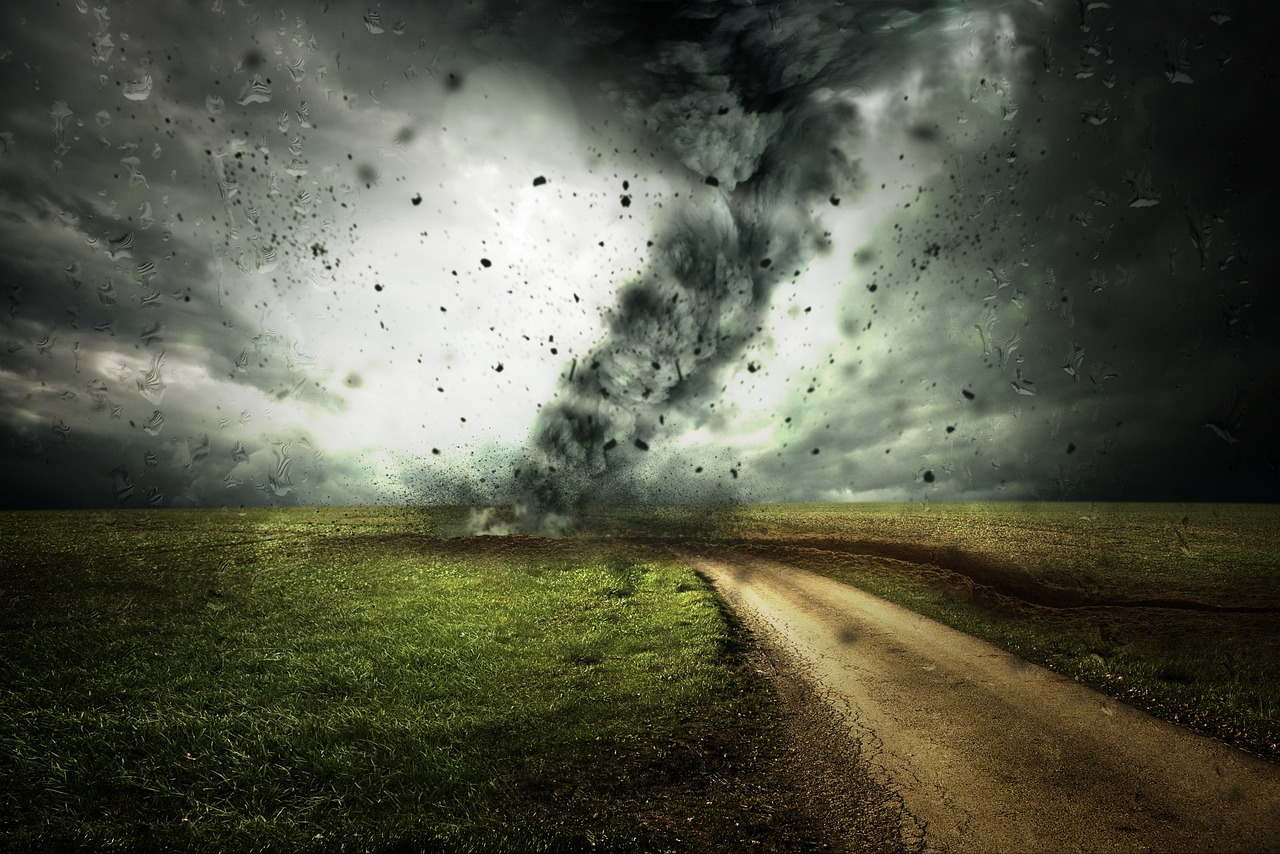
| Tornado belt | Designated safe room, weather alerts that wake you at night | Tornado safety |
| Earthquake zones | Anchored furniture, shoes and light by every bed, Drop-Cover-Hold On reflex | Earthquake preparedness |
| Flood-prone areas | Flood insurance, documents kept high and dry, never drive through water | Flood preparedness |
| Wildfire country | Defensible space, go-bags by the door in fire season | Wildfire preparedness |
| Cold climates | Grid-free heat, pipe protection, winter car kit | Winter storm survival |
Prepare for your top two or three, not all of them
You do not need to gear up equally for every disaster on earth. Identify the two or three most likely and most severe threats for your specific location and focus your climate-specific preparation there. A coastal family should be deeply ready for hurricanes and flooding and only lightly concerned with blizzards; a Midwest family flips that entirely. Concentrating your effort where your real risk lies is far more effective than spreading a thin, generic layer of preparation across threats you will probably never see.
Compound and cascading risks
Some regions face more than one major hazard at once, or one disaster that triggers another. Coastal areas can face both hurricanes and the flooding they cause. Earthquake zones on hillsides can face landslides afterward. Wildfire scars left behind by one fire season often flood or slide in the next season’s heavy rain, since burned soil sheds water instead of absorbing it. If your area has this kind of layered or cascading risk, plan for the sequence, not just the first event, and treat the aftermath of one disaster as a possible trigger for the next.
Renters and short-term residents
If you rent, move often, or split time between two homes, the region-based approach still applies but with a twist: build your climate-specific gear to travel with you rather than being fixed to a single property. A go-bag stocked for wildfire season works the same whether you are in a house you own or an apartment you are renting for a year, while fixed measures like defensible space or storm shutters only make sense for owners. Renters should lean harder on portable gear and less on structural changes, and should re-check the regional risk table above every time they move, since a move across town can shift you from a flood zone to a wildfire interface zone entirely.
Match seasons to readiness
Many natural disasters are seasonal, which lets you prepare on a rhythm. Ready your hurricane supplies before the season starts, service your winter gear before the first freeze, and clear defensible space before fire season peaks. Building these checks into the calendar means you are never scrambling to prepare as the threat is already arriving.
Common questions
What if my area does not clearly fall into one of these categories?
Most places face at least a lighter version of one or two of these categories, even if none dominates. A region with mild but real tornado risk and occasional flooding should still build modest versions of both specific preparations rather than assuming it needs none, since “mild risk” still produces real damage when it happens.
How often should I revisit my region’s risk profile?
Once a year is reasonable for most households, and definitely after any move, since risk profiles change completely when you relocate even a short distance, especially across flood zones or into a different fire-risk area.
Is it worth preparing for a disaster type that is rare but catastrophic in my area?
Often yes, if the severity is high enough, even at low likelihood. A rare but region-ending event, a major earthquake on a fault line your area sits on, for example, can be worth a modest, ongoing investment even though you may never personally experience it, precisely because the downside of being unprepared is so severe.
Should insurance be part of this climate-based planning?
Yes, and it is one of the most overlooked pieces. Standard homeowner’s and renter’s policies frequently exclude flood damage entirely, and many exclude or limit earthquake coverage as well, requiring a separate policy or rider. Check your specific coverage against your regional risk table above, since discovering a gap after a disaster is far more expensive than the modest premium to close it in advance.
Climate-based prep, condensed
- Build the universal foundation first; it covers eighty percent of every disaster.
- Assess your region’s real hazards from local sources, FEMA’s National Risk Index, and your own history.
- Add specific gear by disaster type: hurricane, tornado, quake, flood, fire, or cold.
- Focus on your top two or three threats, not all of them, and watch for cascading risks.
- Prepare seasonal disasters on a calendar, before the season starts.
Natural disasters are not one-size-fits-all, and neither is preparing for them. Build the strong universal base every household needs, then look honestly at your own corner of the map and gear up for the specific threats it holds. That tailored approach, foundation plus your real risks, is how you prepare efficiently for the disasters that will actually come to your door rather than the ones that make the most dramatic headlines.