Smoking is one of the most ancient ways humans preserved meat and fish, and it endures because it does two things at once: it helps preserve food and it makes it taste wonderful. The combination of smoke, and often salt and heat, has kept protein edible for far longer than fresh storage would allow for thousands of years. Today smoking is prized as much for its rich flavor as for preservation, but for the self-reliant homestead, understanding both its preservative power and its safety is genuinely valuable. This guide covers the essentials of smoking fish and meats, and the important distinction that governs both flavor and safety.
Hot smoking versus cold smoking
The single most important concept in smoking is the difference between hot smoking and cold smoking, because they are fundamentally different processes with different purposes and different safety considerations. Hot smoking cooks the food while it smokes, using higher temperatures that both flavor the food and cook it to a safe, done state. The result is fully cooked, flavorful food, ready to eat, though its preservative effect is more limited and it is often treated more like cooked food for storage. Cold smoking applies smoke at low temperatures that flavor and help preserve the food without cooking it, which is the traditional preservation method but which leaves the food raw and therefore demands much greater care. Understanding which you are doing is essential, because the safety requirements differ substantially between them.
| Hot smoking | Cold smoking | |
|---|---|---|
| Temperature | Cooks the food (typically well above 165°F internal) | Low temperature, food stays raw |
| Result | Fully cooked, ready to eat | Raw; requires proper curing first |
| Skill level | Beginner-friendly, similar to grilling | Advanced; real risk if done incorrectly |
| Best for | Most home cooks starting out | Experienced preservers following tested methods |
Cold smoking and preservation require serious safety care
While hot smoking simply cooks food to a safe temperature, using smoke primarily for flavor, true preservation smoking, especially cold smoking, carries real risks that must be respected. Because cold smoking does not cook the food, and because the process involves conditions that certain dangerous bacteria can exploit, preservation smoking traditionally relies on curing the food first, typically with salt and often curing salts, to make it safe. The combination of proper curing, the right salt, controlled temperatures, and correct technique is what makes preserved smoked food safe, and getting any of it wrong can allow dangerous bacteria to grow in food that will be eaten without further cooking. This is not an area for guesswork or improvisation. If you intend to smoke food for genuine preservation, learn the process thoroughly from authoritative, tested sources, understand the role of proper curing and temperature control, and follow established methods precisely. For most people starting out, hot smoking, which cooks the food to a safe temperature, is the safer and simpler path, delivering wonderful flavor with straightforward food-safety rules, essentially the same as any cooking. Reserve cold smoking and long-term preservation smoking for when you have properly learned the safety requirements, and always err on the side of tested guidance. Respect for these safety principles is what separates a valuable preservation skill from a genuine health risk.
Getting started with smoking
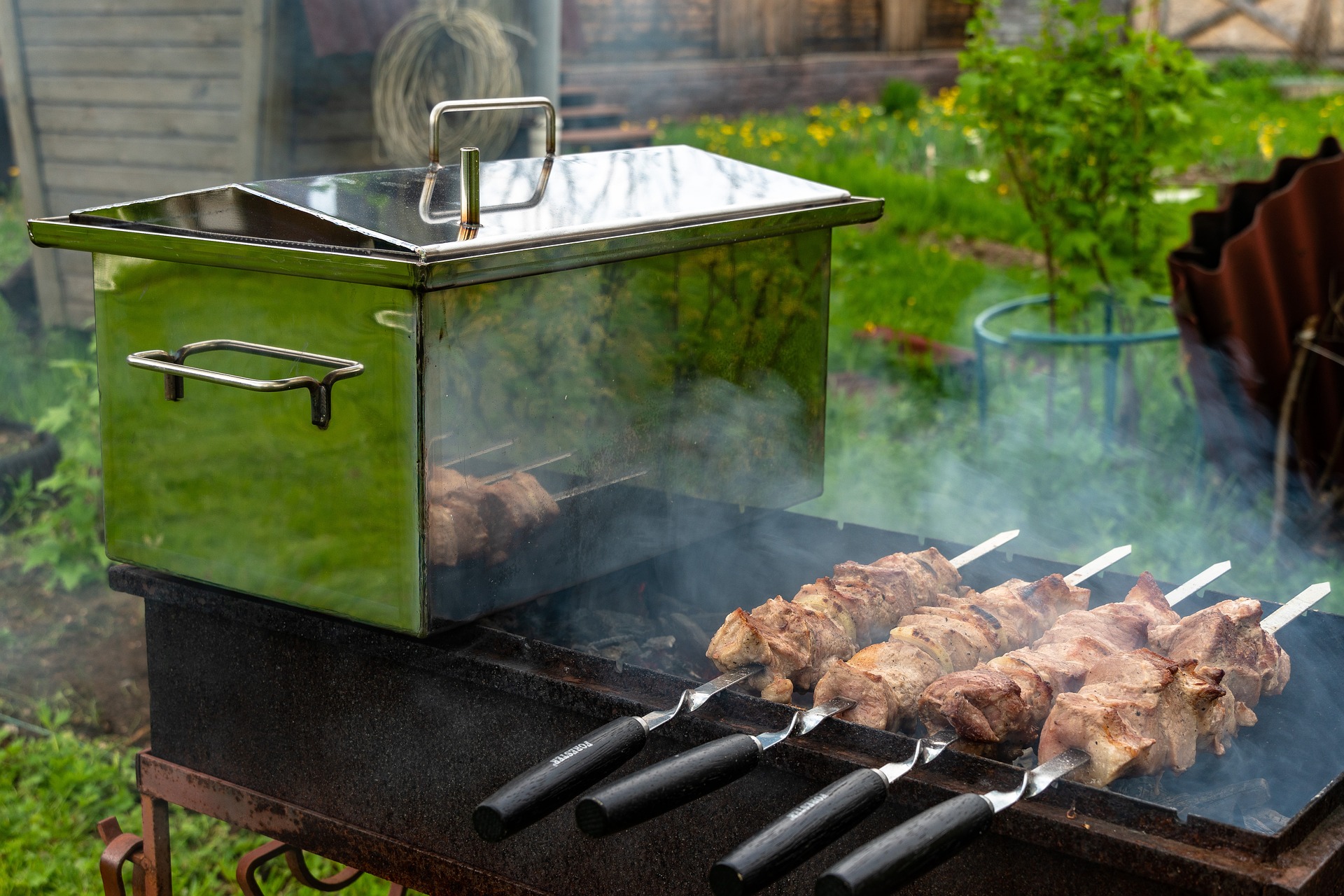
For most homesteaders, the rewarding and accessible entry into smoking is hot smoking for flavor and enjoyment, which cooks fish and meats to a safe, delicious result. This can be done with a variety of equipment, from simple setups to dedicated smokers, using wood that imparts flavor as the food cooks slowly in the smoke. The keys are maintaining a safe cooking temperature, cooking the food fully as you would any meat or fish, and using good technique for flavor. This produces excellent food and builds the familiarity with the process that, combined with proper study of the safety requirements, can later extend to preservation methods.
Choosing wood for flavor
Different woods impart noticeably different flavors, and matching wood to food is part of the craft. Fruit woods like apple and cherry give a mild, slightly sweet smoke that pairs well with poultry and fish. Hickory and oak produce a stronger, more traditional smoke flavor well suited to red meats and pork. Mesquite burns hot and delivers a bold, assertive flavor best used sparingly or on heartier cuts, since it can overpower more delicate foods. Avoid softwoods like pine entirely, since they contain resins and compounds that produce an unpleasant, potentially harmful smoke, and never use chemically treated or painted wood of any kind.
Smoking within a preservation strategy
Smoking is a specialized preservation and flavoring method that complements the more foundational techniques a homestead relies on. For everyday preservation of the harvest, canning, dehydrating, fermentation, and cold storage do the bulk of the work with well-established safety rules. Smoking adds a valuable dimension for meat and fish, both preserving and transforming their flavor, and for those who raise animals or fish, or who hunt and process game, it is a traditional and satisfying way to make the most of that protein. Approached with respect for its safety requirements, smoking is a rewarding skill that connects the modern homestead to one of humanity’s oldest food traditions.
Common questions
Do I need a dedicated smoker, or can I use a regular grill?
A standard charcoal or gas grill can hot smoke effectively by setting up a two-zone fire (heat on one side, food on the other) and adding wood chips or chunks for smoke, which is a great low-cost way to start. Dedicated smokers offer more consistent temperature control and larger capacity, worth considering once you know smoking is a skill you want to invest in further.
How do I know hot-smoked food has actually reached a safe internal temperature?
A reliable instant-read or probe meat thermometer inserted into the thickest part of the food is the only real way to know, rather than judging by time, color, or appearance alone. Different meats and fish have different target safe temperatures, so a quick check against current food-safety guidelines for the specific protein you are smoking is worth doing before your first attempt.
Can hot-smoked food be stored for later, or must it be eaten right away?
Hot-smoked food should generally be treated like any other cooked food for storage purposes, refrigerated promptly and used within a few days, or frozen for longer storage. It is not shelf-stable at room temperature simply because it was smoked, which is a common misconception; only properly cured and cold-smoked preservation products, made following tested safety methods, achieve true shelf stability.
Smoking fish and meats, condensed
- Smoking both flavors and helps preserve, a tradition thousands of years old.
- Hot smoking cooks the food to a safe temperature; cold smoking flavors without cooking.
- Preservation and cold smoking require proper curing, salt, and temperature control.
- Cold smoking is not for guesswork; learn it thoroughly from tested sources first.
- Hot smoking for flavor is the safer, simpler starting point for most people.
Smoking is a wonderful skill that unites preservation with some of the most delicious flavors a homestead kitchen can produce, carrying forward a tradition as old as cooking itself. Begin with hot smoking, which delivers that rich flavor while cooking food safely, and if you wish to pursue true preservation smoking, invest the time to learn its safety requirements thoroughly before you begin. Handled with knowledge and care, smoking rewards the self-reliant household with beautifully flavored, well-preserved meat and fish, and a satisfying connection to one of the most enduring food arts in human history.