Not every planting on a homestead needs to end up on a plate. Shade, privacy, and windbreak cost real money to buy any other way, whether that is a shade sail, a wooden privacy fence, or a heating bill that climbs every winter because cold wind hits the house head on. Trees and shrubs do all three for the cost of a nursery pot and a few years of patience, and the right ones also feed pollinators and add real value to the property while they are at it. This guide covers how to match a tree or shrub to the job you need it to do and names the specific ones we would plant ourselves.
Why landscape trees and shrubs earn a place on a resilient property
A mature tree on the west side of a house can knock several degrees off summer cooling costs just by shading the walls and roof in the hottest part of the day. A dense evergreen hedge along a property line does the job of a fence at a fraction of the cost, and unlike a fence it keeps growing in value instead of rotting. A row of trees or a thick hedge on the windward side cuts the wind chill that drives up winter heating bills, the same logic behind a traditional farmstead windbreak. Flowering shrubs are not just decoration either: they feed the bees and other pollinators your garden and any fruit trees depend on, which makes them functional infrastructure, not just curb appeal. None of this requires an orchard’s worth of maintenance. Plant it, water it for the first year or two, and it works for you for decades.
How to choose: match the plant to the job and the zone
USDA zone is still the first filter. The same rule that applies to fruit trees applies here: check your zone before you fall in love with a plant. A magnolia or holly rated for zones 5 through 9 will handle a real winter, while something rated 7 through 11 wants a milder climate and will struggle or die further north. Every plant below is labeled with its zone range so you can rule out mismatches before you order anything.
Decide what job you actually need done. Privacy and windbreak call for a dense, ideally evergreen planting that holds its cover year round, like a columnar holly or a fast-growing arborvitae. Shade calls for a wide-canopied tree, which usually means patience, since real shade takes a decade or more no matter what you plant. Curb appeal and pollinator support call for a flowering shrub, which pays off much faster and can be worked into almost any bed.
Evergreen or deciduous is a real trade-off, not just a look. An evergreen screen blocks sightlines and wind all year, which is what you want for privacy and windbreak. A deciduous shade tree drops its leaves in winter, which is actually a feature on the south or west side of a house: you get shade in summer and let the low winter sun back in once the leaves are down. Pick evergreen for a hedge you want working in January and deciduous for shade you do not want blocking a winter sun.
Mature size decides your spacing, and it is easy to underestimate. A tree that looks small in a one-gallon pot can reach fifteen, thirty, or, in the case of a large shade oak, eighty feet across at maturity. Plan spacing around the mature width listed for each plant, not the size it ships in, or you will spend years fighting overcrowding and plants shading each other out.
Growth rate changes how fast the job gets done. Some evergreens used for screening gain several feet a year and give real privacy within a few seasons. Big shade trees are almost always slower, which is exactly why the smart move is planting the shade tree now, even though you will not sit under it for years, while a fast grower handles privacy in the meantime.
Six trees and shrubs for privacy, shade, and pollinators


Affiliate note: buy through these links and ThisTracks may earn a small commission at no extra cost to you. We only list plants that are in stock and that we would plant ourselves. We skipped fruit trees and roses this round since we already cover those in separate guides.
Reading the zone map for privacy, shade, and pollinators
The six plants above cluster into two groups. Sky Pencil Holly, Thuja Green Giant, Brackens Brown Beauty Magnolia, and the Nuttall Oak all handle USDA zones 5 through 9, covering a wide swath of the country from the upper Midwest and inland New England down through the mid-Atlantic and much of the South. That group does the heavy structural work: fast privacy screening from the holly and thuja, long-term shade from the magnolia and the oak. Spring Bouquet Viburnum and Asiatic Jasmine want a milder climate, zones 7 through 11 and 7 through 10, which puts them in play for the Gulf Coast, the Southeast, and coastal California, carrying the flowering and pollinator load in a warmer-zone plan. Whatever your zone, plant the structural pieces, the screening and shade, before filling in with flowering shrubs, since the shade and windbreak they eventually provide changes what will thrive underneath them.
Building a windbreak and privacy screen that actually works
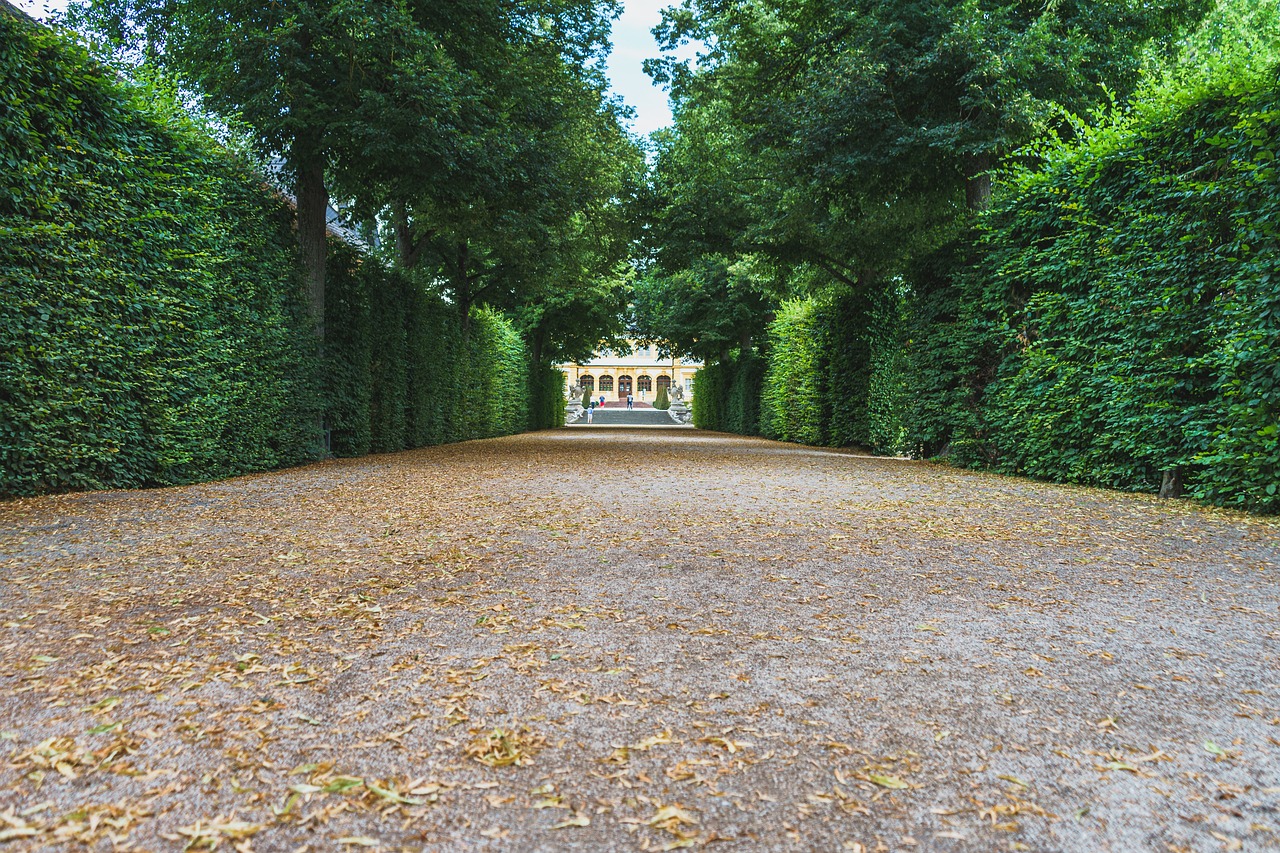
A single tree does not block wind or sightlines, a line of them does. Plan for a run of plants spaced at roughly their mature width so the canopies meet and close the gaps, rather than a scattering of individual specimens. The Thuja Green Giant is the workhorse here: bred specifically for fast, dense screening, and one of the most widely planted windbreak evergreens in the country for good reason. Sky Pencil Holly earns its place in a tighter side yard or fence line where a full-width arborvitae will not fit, since its narrow two to three foot spread screens a property line without giving up as much ground. Either one, planted as a run, does the job a privacy fence does, permanently and without a repair bill.
Shade, pollinators, and the plants that support the rest of your homestead
Shade trees are a longer game than screening shrubs, worth starting now precisely because of that. The Nuttall Oak and the Brackens Brown Beauty Magnolia both take years to reach full canopy, but planted today they are working within a decade and shading a house or seating area for the rest of your life. Meanwhile, flowering shrubs like Spring Bouquet Viburnum and groundcover like Asiatic Jasmine do double duty: they dress up the property immediately, and they feed the same pollinators that work your vegetable garden and any fruit trees nearby. A homestead is a system, and a flowering shrub near an orchard is not just landscaping, it is part of what keeps that orchard producing. A dense evergreen screen also doubles as part of your property’s security layer, blocking sightlines the same way it blocks wind, and for the bigger picture on sequencing plantings like this alongside everything else a new property needs, see our guide to planning a homestead without burning out or going broke.
Common questions
How do I find my USDA growing zone?
Search your ZIP code against the official USDA Plant Hardiness Zone Map. It takes about ten seconds, and every tree and shrub in this guide is labeled with the zone range it is rated for, so you can check compatibility before you order anything.
How far apart should I space a privacy hedge?
Space plants at roughly their mature width, sometimes a little closer for a faster-closing screen. A Thuja Green Giant is often planted five to six feet apart for a tight hedge despite its wider mature spread, while Sky Pencil Holly’s narrow two to three foot width allows much closer spacing along a fence line. Check the specific variety’s mature width before digging any holes.
Do flowering shrubs actually help my garden?
Yes. Flowering shrubs like viburnum and magnolia bloom at times that support the same pollinators your vegetable garden and fruit trees rely on, and a groundcover like Asiatic Jasmine often flowers early, when little else is blooming yet. A mix of bloom times across the property keeps pollinators active nearby all season, not only when your food crops happen to flower.
Landscape trees and shrubs, condensed
Start with your USDA zone, then decide what job you need done: privacy and windbreak call for a dense evergreen run, shade calls for a wide-canopied tree you plant now and grow into, and pollinator support calls for a flowering shrub you can tuck in almost anywhere. Space everything around its mature width instead of its nursery pot size, plant the slow shade trees early since they need the head start, and let the fast-growing screens carry the privacy job while you wait. Do that, and a modest planting budget today turns into decades of shade, privacy, and a property that supports itself.