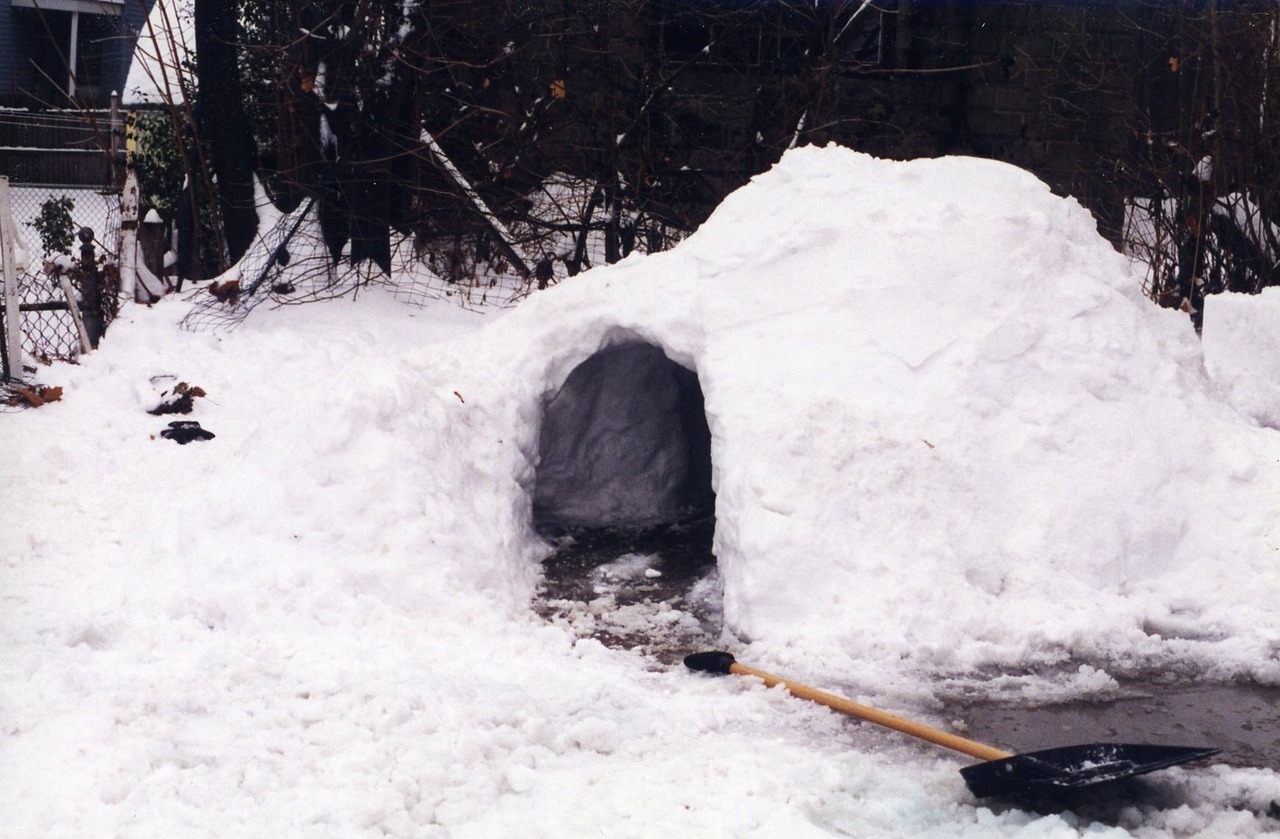
An emergency shelter is built to get you through a night or two. A long-term survival shelter is a different undertaking entirely, a structure meant to protect you comfortably for weeks or longer, whether in an extended wilderness situation or as part of a self-reliant retreat. Where the emergency shelter prizes speed above all, the long-term shelter prizes durability, warmth, and livability, and it justifies far more time and effort to build well. This guide covers the principles of building a shelter meant to last, and how it differs from its quick-and-dirty cousin.
Different goals from an emergency shelter
The shift from emergency to long-term shelter changes your priorities fundamentally. A quick emergency shelter accepts discomfort in exchange for speed, because you only need it briefly. A long-term shelter, which you will live in, must be genuinely durable against sustained weather, well insulated for real warmth over time, large enough to be livable without being so large it cannot be heated, and ideally able to incorporate a safe heat source. It is worth investing substantial time and care, because a shelter you will depend on for weeks repays every hour spent making it sound. The mindset moves from make it fast to make it right.
Location is the first and most important decision
Before building anything, choosing the right site is the decision that most determines your shelter’s success, and it deserves careful thought. A good long-term shelter location balances several needs: proximity to water so you are not hauling it far, though not so close as to risk flooding; availability of building materials and firewood nearby; protection from wind and the elements through natural features; good drainage so you are not on ground that floods or stays wet; and safety from hazards like dead trees, rockfall, and flood zones. Taking the time to choose a location that meets these needs makes everything easier and safer, whereas a poorly chosen site undermines even a well-built shelter. Because you will live here, the surroundings matter as much as the structure.
Tools for serious shelter work


Affiliate note: buy through these links and ThisTracks may earn a small commission at no extra cost to you. We only list gear that is in stock and that we would carry ourselves.
Build for durability and warmth
A long-term shelter must stand up to sustained weather and hold heat well over time, which means building it more robustly than an emergency shelter. Construct a solid, well-anchored frame that will not fail in wind or under the weight of rain or snow, and cover it thoroughly and durably against the elements. Insulate it seriously for warmth, using thick natural insulation and the principles covered in insulation techniques for cold weather shelters, since a long-term shelter that cannot keep you warm has failed at its main job. Size it thoughtfully: large enough to live in but small enough that your body heat and a fire can keep it warm, since an oversized space is impossible to heat. And insulate the ground you sleep on thoroughly, as the earth draws heat relentlessly over the long term.
Integrate a safe heat source for the long haul
The feature that most distinguishes a true long-term cold-weather shelter from an emergency one is the ability to safely incorporate a heat source, because over weeks in cold conditions, added heat becomes essential to comfort and even survival. Building a shelter that can safely accommodate a fire dramatically improves its livability, but this must be done with extreme care, because fire in an enclosed shelter carries the deadly risks of carbon monoxide poisoning and the shelter itself catching fire. A shelter with an internal or adjacent fire needs proper ventilation to let dangerous gases escape and fresh air in, safe separation between the fire and flammable shelter materials, and careful management. Traditional long-term shelters often use designs that reflect a fire’s heat inward while keeping the flame safely positioned and the smoke vented. Never simply build a fire inside an enclosed space without proper ventilation and fire safety, as this kills through carbon monoxide or flames. When done correctly, with real attention to ventilation and fire separation, an integrated heat source transforms a long-term shelter from merely survivable into genuinely warm and livable, which over an extended cold-weather stay can be the difference between enduring and thriving. This is advanced shelter-craft that rewards careful learning and unforgiving of shortcuts.
Comfort and livability matter over time
Because you will actually live in a long-term shelter, features that seem like luxuries in an emergency become worthwhile investments over weeks: a raised, insulated sleeping platform off the cold ground, organized storage, a dry area for gear and firewood, and general livability. Small improvements to comfort pay large dividends in morale and rest over an extended stay, and a rested, comfortable person copes with a survival situation far better than an exhausted, miserable one. This attention to livability, unnecessary for a single night, is part of what defines a long-term shelter.
Part of a broader shelter skillset
Building a long-term shelter builds on the fundamentals of shelter building and connects to the broader survival priorities, where shelter and warmth rank near the top because exposure is such a fast threat. It pairs with the ability to make fire for the heat that makes long-term shelter livable, and with cold-weather survival knowledge for extended stays in harsh conditions. Mastering the long-term shelter completes your ability to protect yourself not just for a night, but for as long as a situation requires.
Long-term shelter, condensed
- Prize durability, warmth, and livability over the speed an emergency shelter needs.
- Choose the site carefully: water, materials, wind protection, drainage, and safety.
- Build a robust frame, insulate seriously, and size it to hold heat.
- A safely integrated heat source transforms livability, but demands ventilation and fire safety.
- Invest in comfort features that pay off in rest and morale over an extended stay.
A long-term survival shelter is a genuine home in the wild, built not for a night but for the duration, and it rewards the greater time and care its construction demands with real protection, warmth, and livability over weeks or longer. Choose your site wisely, build robustly, insulate thoroughly, and, where cold demands it, safely integrate the heat that makes extended survival comfortable. Master this deeper shelter-craft, and you gain the ability to shelter yourself not merely through a hard night, but through a hard season, which is one of the most empowering capabilities in all of survival and self-reliance.