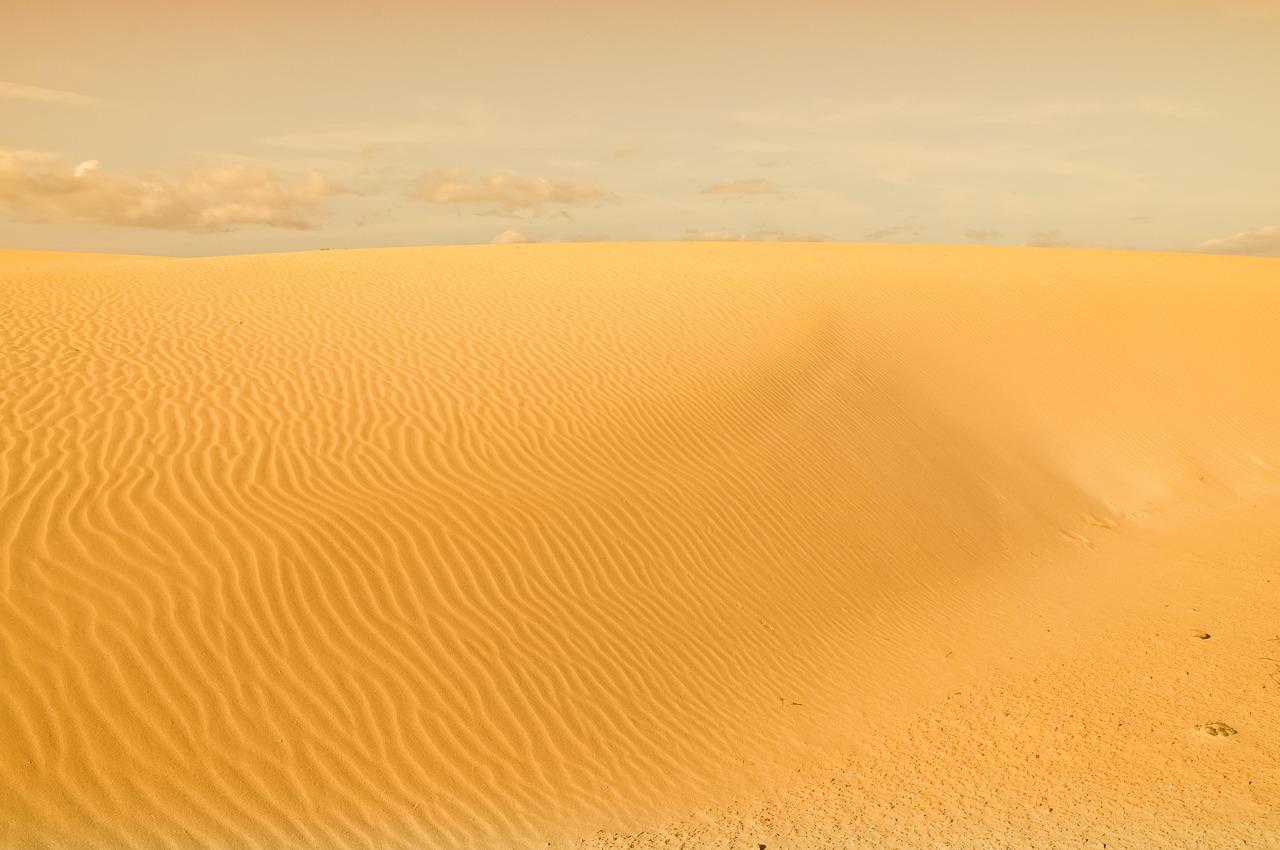
The desert kills differently than the cold. Where cold drains you slowly, heat can undo you in a single afternoon, and the sun that feels merely uncomfortable at noon can be lethal by evening. In arid heat, water and shade are not comforts; they are the entire difference between survival and disaster. The good news is that heat, like cold, follows rules, and a person who understands how the body loses water and gains heat can make choices that stretch survival from hours into days. This is how to stay alive when the sun itself is the threat.
Water is everything, so protect the water in you
In the desert, the water that matters most is the water already inside your body. You can lose it terrifyingly fast through sweat, and dehydration brings confusion and collapse long before it kills. The counterintuitive but critical rule is to protect your internal water first, by slowing how fast you lose it, rather than assuming you can simply find more.
- Drink what you have. Rationing water while your body needs it is a deadly mistake; dehydration impairs you whether the water is in your body or your bottle. Drink to thirst and beyond in extreme heat.
- Slow your sweat. Every drop of sweat is water leaving your body, so reduce exertion, stay in shade, and keep your skin covered to slow evaporation.
- Cover up, do not strip down. It feels wrong, but loose, light-colored clothing that covers your skin slows water loss and blocks the sun far better than bare skin. This is why desert peoples wear flowing robes, not shorts.
Move at night, rest in the day
The single most important tactical decision in desert survival is when to move. Traveling during the blazing day can cost you liters of sweat per hour and invite heatstroke, while the same distance covered in the cool of night or the edges of dawn and dusk costs a fraction of the water. If you must travel, do it when the sun is down and rest in shade during the peak heat. This one choice can double or triple how long your water lasts. Fight the instinct to keep pushing through the day; in the desert, stillness in shade during peak heat is not laziness, it is strategy.
Shade is a resource you create
Getting out of direct sun dramatically cuts the heat your body absorbs, but true shade is scarce in open country, so you often have to make it. Even a tarp, poncho, or space blanket rigged for shade, ideally raised a bit off the ground so air can move beneath it, creates a cooler microclimate that saves water. Dig down a few inches to reach cooler earth if you can. The reflective side of an emergency blanket can bounce sun and heat away. Building shade is often more urgent than building a traditional shelter in the desert.
Make shade and safe water


Affiliate note: buy through these links and ThisTracks may earn a small commission at no extra cost to you. We only list gear that is in stock and that we would carry ourselves.
Finding desert water
Water is scarce but not always absent. Look in the lowest points and the outside bends of dry washes, at the base of cliffs, and wherever vegetation is greener, which signals moisture below. Dig in damp sand and water may seep in. Collect any rain instantly, since desert storms are brief and the runoff vanishes fast. The general skills of finding and collecting water apply, sharpened by the desert’s scarcity. Treat whatever you find, because desert water sources are often contaminated by animals.
Know the heat illnesses
Recognize the progression before it becomes fatal. Heat exhaustion brings heavy sweating, weakness, nausea, headache, and cool clammy skin; the response is rest in shade, water, and cooling. Heatstroke is the deadly emergency: the body stops sweating, skin becomes hot and dry, and confusion or collapse follows. It is a true medical emergency requiring aggressive, immediate cooling and help. If you are in a group, watch each other, since the confused victim may not recognize their own danger, the same way a hypothermia victim cannot.
Desert survival, condensed
- Protect the water inside you first: drink it, and slow how fast you sweat it out.
- Cover up in loose, light clothing rather than stripping down.
- Move at night and dawn; rest in shade through the peak heat.
- Make shade with a tarp or poncho raised off cooler, dug-down ground.
- Know heat exhaustion from heatstroke; heatstroke is a dire emergency.
The desert demands a completely different playbook from the cold, but it rewards knowledge just as richly. Protect your internal water, create shade, move in the cool hours, and recognize heat illness early, and you can endure conditions that would kill an unprepared traveler in an afternoon. Respect the sun as the genuine threat it is, plan your survival around water and shade, and even the harshest arid country becomes survivable.