Fire is the great multiplier of survival. It gives you warmth against the exposure that kills faster than thirst, it purifies water, it cooks food, it wards off the dark and the fear that comes with it, and it signals for rescue. A person who can reliably make fire in difficult conditions holds one of the most valuable skills in the wild. And while a lighter is wonderful, the person who understands fire from the ground up can make it even when every modern tool has failed. This is fire from first principles.
The fire triangle rules everything
Every fire, from a match flame to a bonfire, needs three things at once, and every failed fire is missing one of them. Remember the triangle and you can diagnose any struggling fire instantly:
- Heat to reach ignition, from a spark, an ember, or a friction-born coal.
- Fuel in the right progression, from fine to coarse.
- Oxygen, the airflow that most beginners choke off by smothering a young flame.
When a fire will not catch, one of these is short. Usually it is fuel that is too big too soon, or air that cannot reach the flame. Fix the missing side and the fire lives.
Build your fuel before you make a spark
The most common reason fires fail is impatience: people get a flame and have nothing ready to feed it. Gather everything first, in three grades, and gather far more than you think you need:
- Tinder: the fine, dry, fluffy material that catches a spark and bursts into flame. Dry grass, birch bark, cattail fluff, fine wood shavings, or a bird’s nest of the driest fibers you can find.
- Kindling: small twigs and split wood from pencil-lead thin up to finger thick, added in stages as the flame grows.
- Fuel wood: the larger pieces that sustain the fire once it is established.
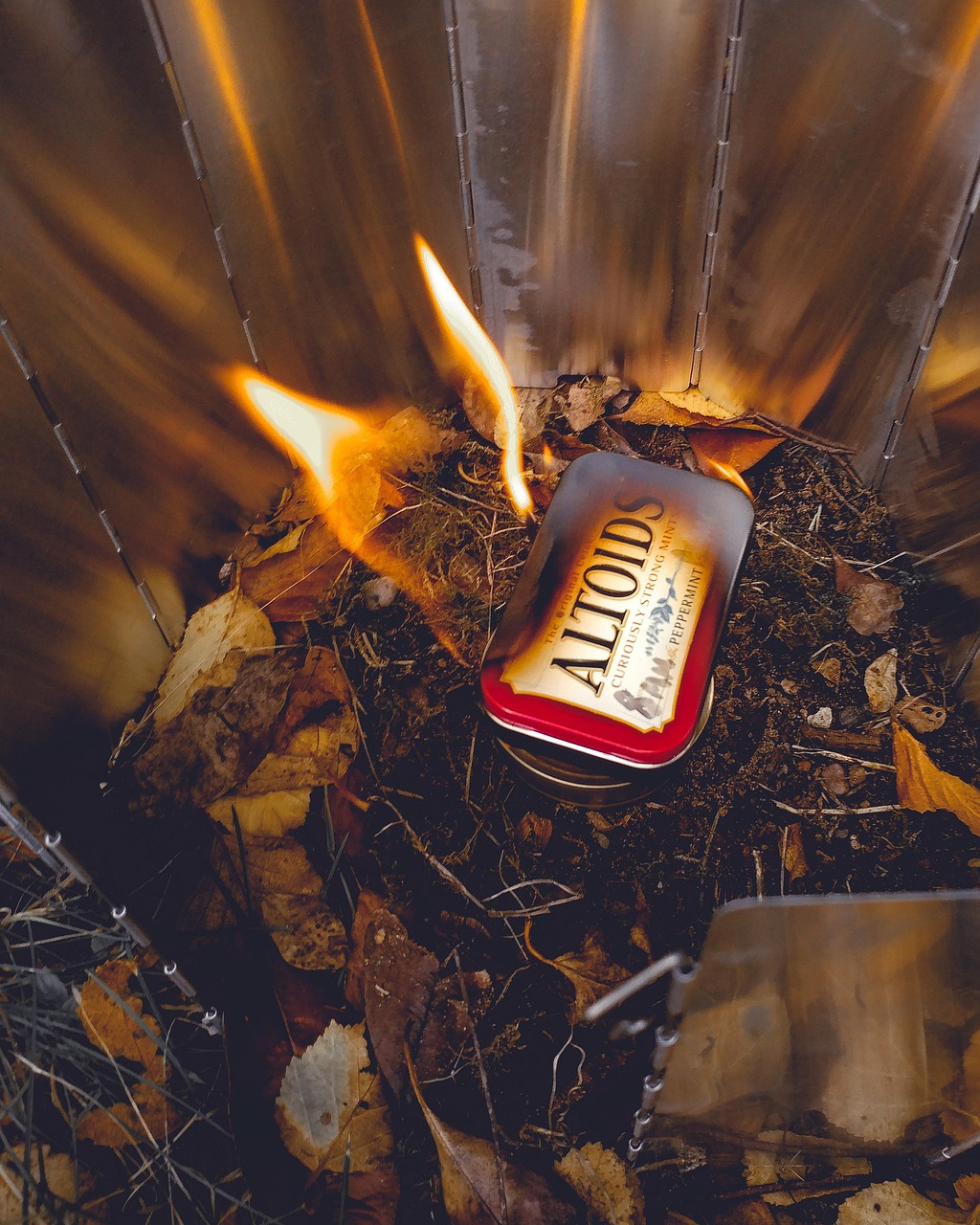
Dryness is everything. Look for standing dead wood and the dry inner material of branches, not damp deadfall off the ground. Prepare a proper tinder bundle before you ever try to make your ember, so the moment you have heat, you have somewhere to put it.
An ember is not a fire yet
The hardest lesson in primitive fire is that getting a glowing ember from friction is only half the battle. That fragile coal must be transferred into your tinder bundle and coaxed to flame with gentle, steady breath. Cup the bundle loosely, hold the ember inside, and blow softly and continuously, giving it oxygen without scattering it, until the bundle smokes heavily and then bursts into flame. Rushing or crushing it here kills more fires than anything else. Treat the ember like the precious, delicate thing it is, and practice this transfer specifically, because it is where most beginners lose the fire they worked so hard to create.
Carry the tools that make it easy
Knowing the primitive skills is insurance, but there is no virtue in doing it the hard way when you can carry reliable fire in your pocket. The wise approach is layers: a modern lighter as your first choice, a ferrocerium or magnesium rod as a nearly indestructible backup that throws sparks even when wet, and the primitive skills as the deepest fallback.
Reliable fire, wet or dry
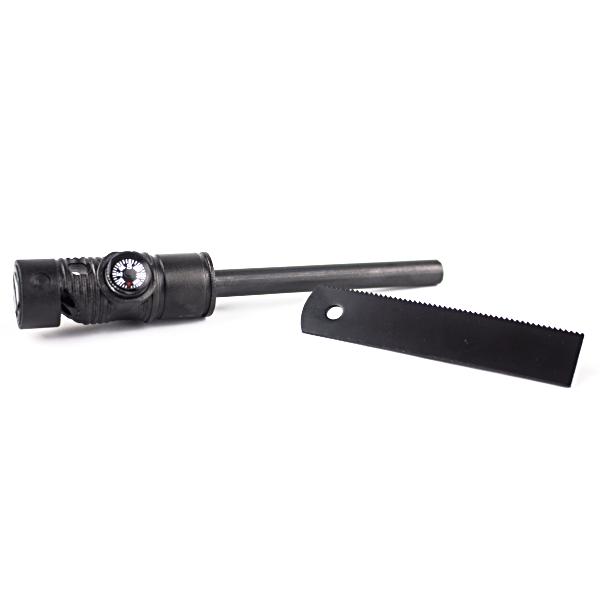

Affiliate note: buy through these links and ThisTracks may earn a small commission at no extra cost to you. We only list gear that is in stock and that we would carry ourselves.
Practice on an easy day
Fire-making is a physical skill that degrades without use, and the worst time to attempt friction fire for the first time is cold, wet, and desperate. Practice in your backyard on a dry afternoon: build tinder bundles, feel how a spark catches, and if you want the deepest skill, work through the friction methods in advanced fire making. Fire pairs inseparably with shelter for surviving a cold night, and it is one of the core categories in the Rule of Threes.
Primitive fire, condensed
- Every fire needs heat, fuel, and oxygen. A failing fire is missing one.
- Gather tinder, kindling, and fuel wood first, far more than you think you need.
- Dryness is everything. Use standing dead wood and dry inner fibers.
- An ember must be transferred to a tinder bundle and gently breathed to flame.
- Carry a lighter and a spark rod; keep friction skills as the deepest backup.
There is a reason fire has been central to human survival for hundreds of thousands of years. Master it, and you carry warmth, safe water, cooked food, and rescue signaling in your own two hands, no matter what gear you have lost. Learn the triangle, practice building and lighting fires before you need to, and carry reliable tools as backup, and you will never be truly cold or helpless in the wild.