Sometimes you do not have hours to build the perfect debris hut. A storm is rolling in, the temperature is dropping, someone is hurt, or darkness is close, and you need to be out of the weather now. The quick emergency shelter is a different discipline from careful shelter building. It is about speed and good-enough protection, buying you warmth and time in the minutes that matter. Here are the fastest options, roughly from simplest to most involved.
The fastest shelter is on your back
The quickest shelter you will ever deploy is one you are already carrying. A reflective emergency blanket or, better, a bivvy sack goes from pocket to protection in seconds, blocking wind and rain and reflecting your body heat back at you. This is why these items live in every pack and glovebox: when the weather turns fast, the shelter that is already with you beats any structure you would have to build.
Instant shelter you carry


Affiliate note: buy through these links and ThisTracks may earn a small commission at no extra cost to you. We only list gear that is in stock and that we would carry ourselves.
The tarp or poncho lean-to
With a tarp, poncho, or space blanket and a bit of cordage, you can rig a lean-to in a few minutes. Tie a line between two trees at waist or chest height, drape the material over it or stake one edge to the ground at an angle, and anchor the low side with rocks or stakes. Angle the open side away from the wind and rain. Add a bed of dry debris underneath, and you have real protection fast. This is the workhorse quick shelter, endlessly adaptable to what you have.
| Shelter type | Setup time | Best for |
|---|---|---|
| Emergency blanket / bivvy | Seconds | Sudden weather change, injury, waiting for rescue |
| Poncho worn as raingear | Seconds | Staying dry while moving |
| Tarp or poncho lean-to | 3-10 minutes | Rain and wind, staying in one spot for hours |
| Natural shelter (overhang, evergreen) | 0-5 minutes to locate | No materials on hand, fastest terrain-based option |
| Snow trench or tree well | 15-30 minutes | Winter conditions with usable snow |
Even in a hurry, insulate the ground
When you are rushing, it is tempting to throw up a roof and sit straight down on the cold earth. Resist it. The ground will pull heat out of you all night no matter how good your roof is, since your body loses heat to cold ground far faster than to cold air through direct contact. A person who skips the ground layer often ends up colder than one with no roof but a thick bed of insulation. Spend two of your precious minutes piling dry leaves, grass, boughs, or even your empty pack beneath you. It is the highest-value thing you can do with a small amount of time.
Natural quick shelters
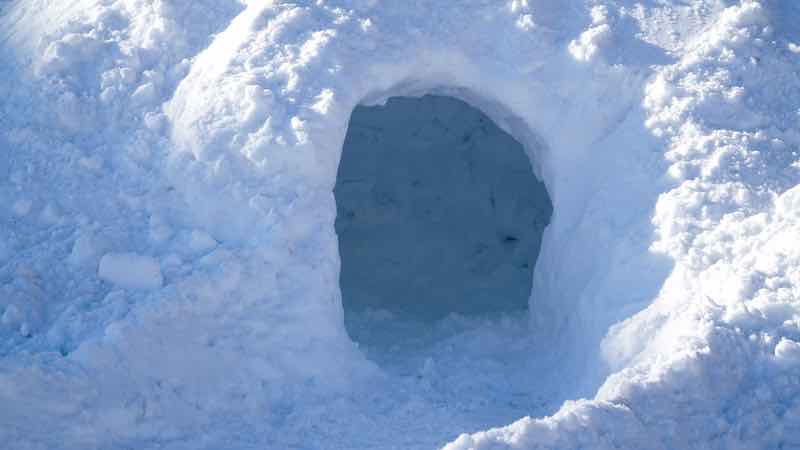
The landscape often offers a shelter you barely have to build. Duck under a dense evergreen whose low branches shed rain like a roof. Tuck into a rock overhang or the lee side of a large boulder or fallen log to escape the wind. In snow, a hollow dug at the base of a tree or a simple trench roofed with branches and snow blocks the wind and traps warmth remarkably well, since snow itself is a surprisingly effective insulator once you are out of the moving air. Reading the terrain for these ready-made options is often faster and better than building anything.
Match the shelter to the threat
The right quick shelter depends on what you are protecting against, which the Rule of Threes helps you prioritize. Cold and wind call for insulation and a windbreak above all. Rain calls for a good roof and staying dry. Sun and heat call for shade and airflow instead, and a shelter built the way you would for cold weather can actually work against you by trapping heat. When you have more time and need protection for longer, step up to a proper built shelter, and pair any cold-weather shelter with fire to hold your warmth through the night.
Practicing before you actually need speed
A lean-to that takes twenty fumbling minutes the first time you try it takes five once you have built it a couple of times. The gap between those two numbers is exactly the difference that matters in a real emergency, when darkness, cold, or an injury is adding pressure you will not have on a calm practice afternoon. Spend one weekend deliberately rigging a tarp shelter in your backyard, ideally with the same cordage and materials you actually carry, so your hands already know the motions before conditions are working against you.
Common questions
What if I have nothing at all, no tarp, no blanket, no tools?
Look for natural options first: dense evergreen boughs, a rock overhang, or a depression you can line with dry debris. Gathering a thick pile of dry leaves or grass to both insulate the ground and pile over yourself as loose insulation works surprisingly well even with zero equipment, and it costs nothing but the ten or fifteen minutes it takes to gather enough material.
How small should a quick shelter actually be?
Smaller than feels intuitive. A shelter sized just to your body, rather than a spacious structure, traps and holds your body heat far more effectively. The extra air volume in an oversized shelter is dead space you have to heat with nothing but your own metabolism.
Is it worth carrying more than one type of quick shelter?
Yes, for redundancy and different conditions. A blanket or bivvy handles the sudden, unplanned situation, while a lightweight tarp handles a longer stay in bad weather. The two together weigh very little and cover most scenarios a pack or vehicle kit is likely to face.
How do I choose good cordage to keep with a shelter kit?
A length of paracord, generally 25 to 50 feet, covers most quick-shelter needs and doubles for dozens of other camp tasks. Look for genuine seven-strand paracord rather than decorative lookalikes, since the inner strands can be pulled out individually for fine tasks like sewing repairs or fishing line in a true emergency, a versatility cheap imitation cord does not offer.
Quick shelter, condensed
- The fastest shelter is the blanket or bivvy already in your pack.
- A tarp or poncho plus cordage makes a lean-to in minutes.
- Always insulate the ground, even when rushing. It matters most.
- Use natural features: evergreens, overhangs, the lee of boulders, snow hollows.
- Match the shelter to the threat: wind, wet, cold, or sun, and size it to your body.
The ability to get out of the weather in minutes, not hours, is what turns a sudden storm or an unexpected night out from a crisis into a discomfort. Carry the instant options, practice rigging a lean-to before you need one, and always take the extra moment to insulate the ground. Those simple habits keep the fastest-acting danger in the wild, exposure, from ever gaining the upper hand.