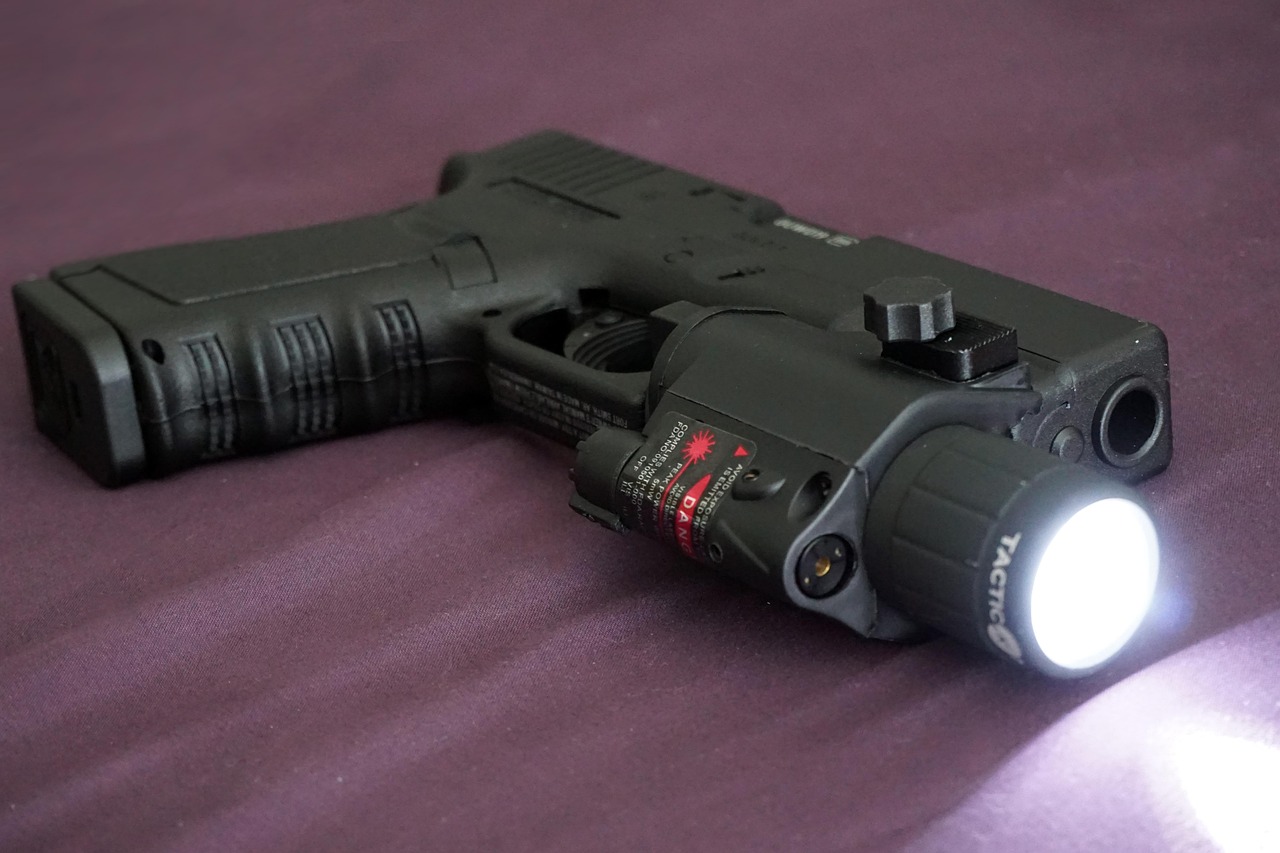
A firearm is a serious tool that some people choose as part of their home defense, and if you make that choice, it comes with profound responsibilities that far outweigh the decision of which model to buy. Owning a firearm for home defense is not simply a purchase; it is a lifelong commitment to safe storage, ongoing training, legal knowledge, and sober judgment. This guide approaches the topic responsibly, focusing far more on the responsibilities and the questions to ask yourself than on specific hardware, because the manner in which a firearm is owned matters immensely more than the make and model.
Safety and responsibility come before everything
If you own or are considering a firearm, these responsibilities are not optional and dwarf every other consideration. Safe storage is paramount, especially in any home with children, which means securely storing firearms so they are inaccessible to children and unauthorized people, using proper safes or lock boxes. The presence of an improperly stored firearm is a genuine danger to the household, and tragic accidents happen when this is neglected. Training is essential and ongoing, because a firearm in untrained hands is dangerous to its owner and others; proper instruction in safe handling, storage, and use is a prerequisite, not an afterthought, and skills must be maintained. Knowing the law is your responsibility, including the serious legal weight of the use of force, which varies by jurisdiction and which you must understand fully. And honest self-assessment matters: a firearm is a grave responsibility that not everyone should or wants to take on, and there is no shame in choosing other layers of security instead. These responsibilities are the real substance of firearm ownership, and anyone unwilling to fully commit to them should not own one.
Start with the law and with training
Before acquiring any firearm, understand the laws that govern ownership, storage, and use where you live, since these vary significantly by jurisdiction and carry serious consequences. Then commit to proper training from qualified instructors, covering safe handling, storage, marksmanship, and critically the legal and ethical dimensions of defensive use. Reputable training also emphasizes that a firearm is a last resort, and that avoidance, de-escalation, and escape remain preferable whenever possible. The law and the training are the foundation; the hardware is secondary and should follow, not precede, this groundwork.
Match the choice to the purpose, safely
If, having addressed the responsibilities and the law, you choose to acquire a firearm for home defense, the selection should be guided by suitability, reliability, and your own competence rather than by appearance or trend. Considerations include reliability above all, since a defensive tool must function; a fit that you can safely and effectively handle, since a firearm you cannot control well is a liability; and appropriateness to your specific home environment. Many people find that professional guidance and hands-on experience through training help them make an informed, sober choice suited to their needs and abilities. The right choice is the one you can store safely, operate competently, and use lawfully and responsibly, not simply the most powerful or popular option.
A firearm is one layer, and not the first
Even for those who choose to own one, a firearm is a single layer within a complete home defense strategy, and it is emphatically not the first line. The overwhelming majority of your security should come from the deter, detect, and delay layers of a layered home security plan: good locks, lighting, alarms, awareness, and the measures that prevent a confrontation from ever occurring. The best outcome in any home defense scenario is one where no confrontation happens at all, which is why prevention and the non-lethal measures that stop intrusions before they start deserve your primary investment. A firearm, if chosen, sits at the far end of that strategy as a last resort, never as a substitute for the prevention-focused layers that do most of the real work.
Consider all your options
A firearm is one of several personal and home defense options, and many people meet their security needs entirely through other means. Non-firearm tools, covered in alternative self-defense options, physical training in martial arts, and above all the awareness and avoidance of situational awareness, all provide security without a firearm. Choose the approach that fits your values, your household, your abilities, and your willingness to accept the responsibilities involved.
Firearms for home defense, condensed
- Ownership is a lifelong commitment to safe storage, training, and legal knowledge.
- Safe storage is paramount, especially with children in the home.
- Understand your local laws and the serious legal weight of using force.
- A firearm is a last-resort layer, never the first line of home defense.
- Consider all options; other layers meet many people’s needs without a firearm.
The decision to own a firearm for home defense is a serious and personal one, and its weight lies far more in the responsibilities it demands, safe storage, ongoing training, legal knowledge, and sober judgment, than in any question of which model to choose. If you take it on, take on those responsibilities fully, and keep the firearm in its proper place: a last resort behind the prevention-focused layers that do most of the work of keeping a home safe. And if you decide it is not for you, know that awareness, deterrence, and the many other layers of security can protect your family well, which is what home defense is ultimately about.