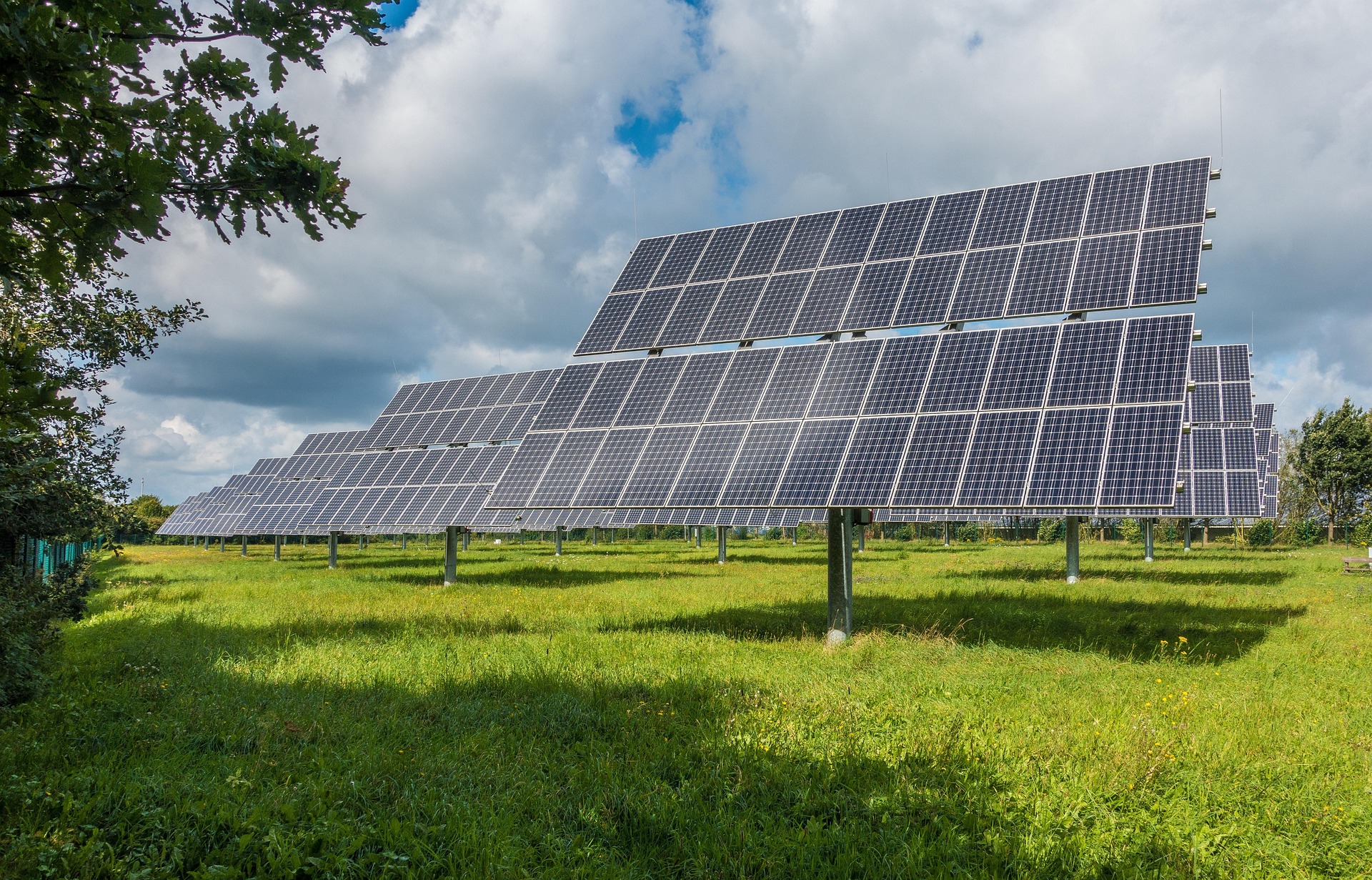
Solar power is the most accessible and popular path to energy independence, and for good reason: the sun is free, the technology has become affordable and reliable, and a solar system has no moving parts to wear out. For anyone looking to reduce dependence on the grid, weather outages, or move toward off-grid living, solar is usually the place to start. The good news is that you do not have to go all-in at once. Solar scales beautifully from a pocket charger to a whole-home system, and you can build up as your needs and budget grow. This guide explains the components and how to approach a DIY solar setup.
The four building blocks of a solar system
Every solar power system, from tiny to house-sized, is built from the same four components. Understanding them demystifies the whole subject:
- Solar panels capture sunlight and convert it to electricity. More panels and more sun mean more power.
- A charge controller regulates the power flowing from the panels to the batteries, protecting them from overcharging. This is essential for any system with batteries.
- Batteries store the energy so you have power at night and on cloudy days. Battery storage is usually the most expensive part and the one that most determines how much usable power you have.
- An inverter converts the stored direct current into the household alternating current that most appliances use.
A pocket solar charger contains miniature versions of these ideas; a whole-home system is the same concept scaled up. Once you grasp these four parts, sizing and building a system becomes a manageable problem rather than a mystery.
Start small and learn as you scale
The smartest way into solar is to start with a small, affordable system and expand as you learn. A portable solar charger or a small panel-and-battery kit teaches you the fundamentals, panels, storage, charging, with almost no risk or cost, and immediately provides useful backup power for phones and small devices. From there you can move up to a system that runs lights and small appliances, and eventually to a larger installation. This staged approach lets you build real understanding before you invest serious money, avoids the costly mistakes of an oversized first purchase, and gives you working backup power at every step. Many people find that a modest system covering their essential needs, lights, communication, and charging, delivers most of the value of energy independence for a fraction of the cost of going fully off-grid.
Solar, at its most accessible

Affiliate note: buy through this link and ThisTracks may earn a small commission at no extra cost to you. We only list gear that is in stock and that we would carry ourselves.
Size the system to your real needs
The most important planning step is figuring out how much power you actually need, because that drives every other decision. Add up the wattage of the devices and appliances you want to run and how long each runs per day, and you have your daily energy requirement. This tells you how many panels you need to generate that power and how much battery storage you need to hold it through the night and cloudy stretches. Being honest and efficient here saves enormous money: reducing your power needs through efficient appliances and lighting is far cheaper than buying more panels and batteries to feed wasteful ones. Efficiency first, then generation.
Safety and the limits of DIY
Solar is genuinely DIY-friendly for small and medium systems, and building your own teaches valuable skills and saves money. But respect the electrical realities. Battery banks and inverters involve real electrical hazards, and improper wiring is a fire risk. Larger systems, and any system tied into your home’s main electrical panel or the grid, typically require proper permits and often a licensed electrician, both for safety and to satisfy local codes. Know where your comfort and competence end, and bring in a professional for the parts that warrant it. There is no shame in doing the small stuff yourself and hiring out the high-voltage connections.
Solar in the bigger picture
Solar power is often the centerpiece of a broader move toward self-reliance. It is a key piece of off-grid living, a major step in reducing your dependence on infrastructure, and one of the best defenses against a long grid-down event, since the sun keeps shining when the grid goes dark. Where conditions suit, it can be complemented by wind or micro-hydro for a more resilient mix.
DIY solar, condensed
- Four building blocks: panels, charge controller, batteries, and an inverter.
- Start small with a portable kit and scale up as you learn.
- Size the system to your real needs; cut your power use before adding panels.
- DIY the small and medium parts; hire a pro for grid-tied and high-voltage work.
- Solar anchors off-grid living, reduced dependence, and grid-down resilience.
Solar power puts genuine energy independence within reach of ordinary people, and its scalability means you can begin today with a modest charger and grow toward whole-home capability over time. Learn the four components, start small, size honestly, respect the electrical hazards, and build up as your skills and budget allow. Do that, and you steadily free yourself from dependence on a grid you do not control, gaining resilience against outages and a real foothold on the path to self-reliance, all powered by nothing more than the sun.