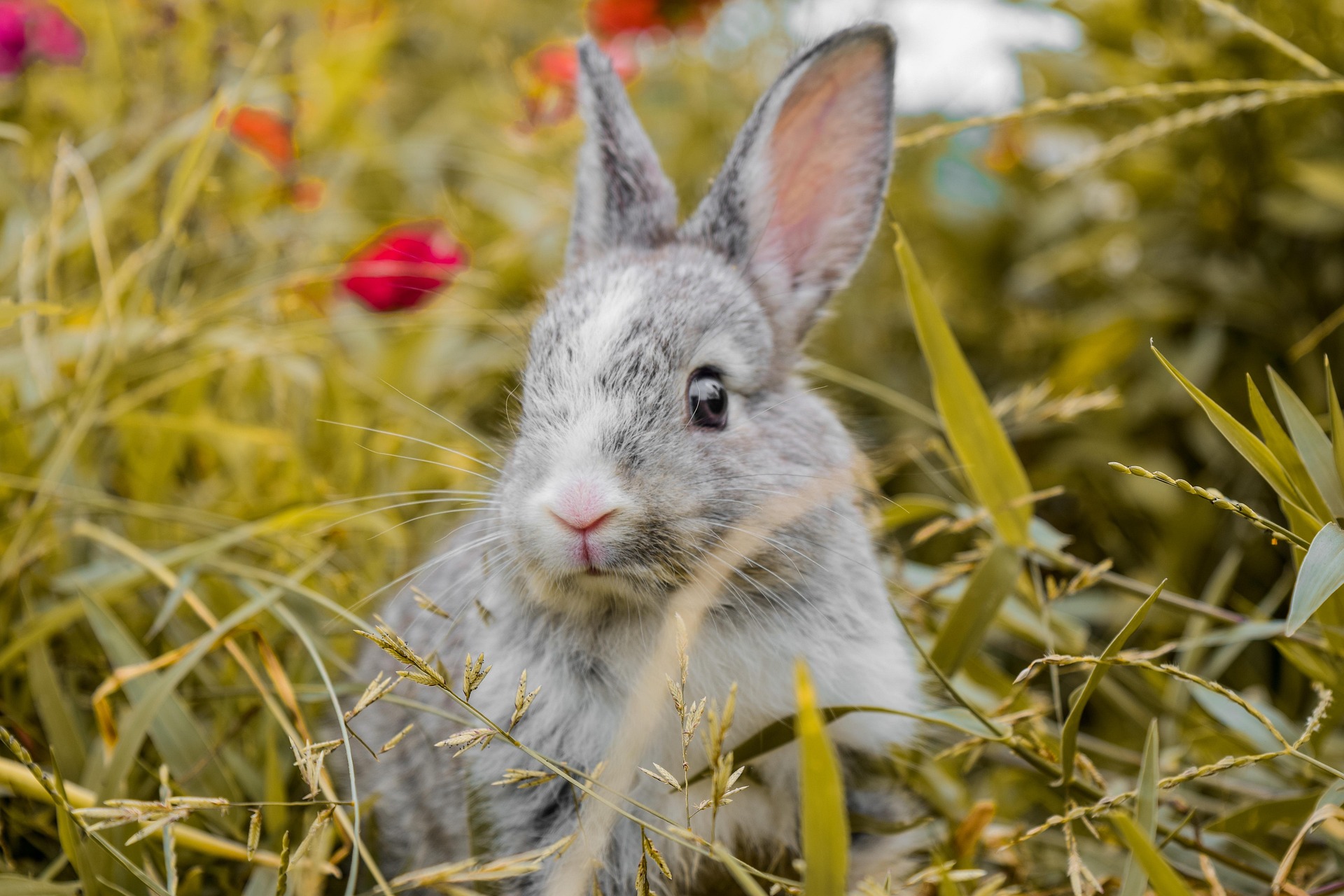
Rabbits are one of the most efficient and practical sources of homegrown meat available to a small homestead, converting feed into lean protein faster and in less space than almost any other livestock. Quiet, compact, and prolific, they let even a modest property produce a steady supply of meat, along with excellent garden manure. Raising rabbits for meat does involve breeding and the humane processing of animals, skills that must be approached with knowledge, care, and respect. This guide covers the essentials of raising rabbits, including the responsibilities that come with producing your own meat.
Why rabbits excel as homestead meat animals
Rabbits offer a combination of advantages that make them exceptional for small-scale meat production. They are highly efficient at converting feed into meat, they reproduce and grow quickly so a small breeding group can produce a continuous supply, they need little space and are quiet enough for even suburban settings where permitted, their meat is lean and healthy, and their manure is among the best for the garden, usable directly without the composting that other manures need. For a homestead focused on producing its own protein efficiently and on a small footprint, rabbits are one of the best choices available, delivering real food production from a manageable, compact operation.
Housing and daily care
Rabbits need appropriate housing that keeps them healthy, safe, and comfortable. Provide hutches or enclosures that protect them from predators, weather, and extreme heat, to which rabbits are particularly sensitive, with good ventilation and cleanliness. They need proper feed suited to rabbits, constant access to clean water, and daily care and observation. Keeping their housing clean is important for health, and protecting them from predators and heat stress is essential. With proper housing, good feed, and attentive daily care, rabbits are relatively straightforward to keep healthy, and their needs are modest compared to larger livestock.
Breeding for a steady supply
Producing meat from rabbits means breeding them, and their prolific nature is what makes them so productive. A small group of breeding rabbits can produce a substantial, continuous supply of meat, with does producing litters that grow to processing size relatively quickly. Successful breeding requires understanding the animals’ cycles, providing proper conditions and nutrition for pregnant and nursing does, caring for the young, and managing your breeding group thoughtfully to maintain healthy, productive animals. Good record-keeping and attention to the health and genetics of your breeding stock keep the operation productive and sustainable over time.
Humane processing is a serious responsibility to learn properly
Raising rabbits for meat means, at some point, processing the animals, and this is a genuine responsibility that must be approached with respect, knowledge, and a commitment to doing it humanely, not something to undertake casually or without proper learning. Butchering an animal is a serious act, and doing it humanely, minimizing the animal’s stress and ensuring a quick, clean process, is both an ethical obligation to the animal and important for producing safe, quality meat. Anyone raising meat animals should learn proper humane processing techniques thoroughly before they need them, ideally from experienced people who can teach the methods hands-on, so that the process is quick, clean, respectful, and correct. This also includes proper handling, cooling, and food safety in processing the meat, following sound practices to ensure it is safe to eat. Producing your own meat connects you honestly to where food comes from, which many find deeply meaningful, but it carries the real weight of taking an animal’s life for food, a weight that deserves to be honored through skill, care, and respect rather than avoided or done poorly. Learn the humane methods properly, treat the animals well throughout their lives and at the end, and approach this responsibility with the seriousness it deserves. Done right, raising and processing your own meat is an honest, respectful form of self-reliance; done carelessly, it fails both the animal and the ethics of the act. If you are not prepared to learn to do it humanely and correctly, meat rabbits may not be the right choice, and there is no shame in that recognition.
Rabbits in the self-reliant homestead
Raising rabbits is a valuable step in homestead self-reliance, providing efficient meat production and excellent manure from a small, manageable operation. Rabbits pair naturally with chickens as the ideal starter livestock covered in small-scale livestock raising, and their manure enriches the soil that grows the rest of your food. Approached with proper care for the animals throughout their lives and humane, skilled processing, rabbits offer one of the most practical and efficient paths to producing your own meat on a small homestead.
Raising rabbits, condensed
- Rabbits produce lean meat efficiently in little space, with excellent garden manure.
- Provide predator-safe, ventilated housing and protect them from heat stress.
- Their prolific breeding lets a small group produce a continuous meat supply.
- Learn humane processing thoroughly and treat it with real respect and skill.
- Approached responsibly, rabbits are among the most practical homestead meat animals.
Rabbits offer a small homestead one of the most efficient and practical routes to producing its own meat, delivering lean protein and valuable manure from a compact, manageable operation. Keep them well housed, fed, and protected, breed them thoughtfully for a steady supply, and above all approach the processing of meat animals with the knowledge, skill, and respect that this serious responsibility demands. Embraced honestly and done humanely, raising rabbits connects you directly and respectfully to the source of your food, and gives your homestead an efficient, renewable supply of meat as part of a genuinely self-reliant way of living.