A homestead is not a place you consume; it is a system you steward. The families whose land grows more productive and more resilient year after year all share one mindset: they treat their water, soil, timber, and energy as capital to be grown rather than a bank account to be drained. Manage these resources well and your homestead becomes more self-sufficient with time. Manage them carelessly and even a promising piece of land degrades into something that needs constant, expensive inputs from outside. This is the art of making a place richer by working with it.
Water is the master resource
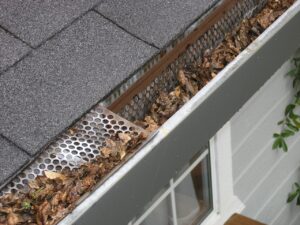
Everything on a homestead flows from water, and it is the resource that most often limits what a place can support. Managing it well means capturing what falls, slowing its exit, and using it more than once:
- Capture rainfall from roofs and surfaces with a rainwater harvesting system, banking free water for dry stretches.
- Slow the water down. Shape the land so rain soaks in rather than running off, keeping moisture on your property and in your soil instead of eroding it away.
- Reuse it. Greywater from household use can often irrigate, and water used for one purpose can frequently serve another before it leaves.
- Protect your sources. Keep wells, springs, and stored water clean, and always keep the ability to purify, so a contamination event is never a crisis.
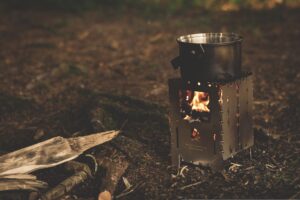
Always be able to make water safe

Affiliate note: buy through this link and ThisTracks may earn a small commission at no extra cost to you. We only list gear that is in stock and that we would carry ourselves.
Soil is your true wealth
The single most important asset on any homestead is its topsoil, and it is the one most easily squandered. Healthy, living soil grows more food with fewer inputs, holds water like a sponge, and improves every year when tended. The way to build it is to feed it constantly: compost everything you can, keep the ground covered with mulch or living plants so it never bakes or erodes, rotate what you grow, and disturb it as little as possible. This is the real foundation of a homestead, covered in depth in building healthy soil and composting. Treat soil as a living thing to be fed, not dirt to be used up, and it will repay you for decades.
Living cover that holds the soil

Affiliate note: buy through these links and ThisTracks may earn a small commission at no extra cost to you. We only list plants that are in stock and that we would grow ourselves.
Stack functions and close the loops
The guiding principle of good resource management is to let nothing go to waste and to make every element serve more than one purpose. Kitchen scraps become compost, which feeds the garden, which feeds you. Chickens turn food waste into eggs and their manure into fertilizer. Rainwater irrigates before it drains. Wood ash amends soil. In a well-managed homestead, the outputs of one system become the inputs of another, closing loops so that resources cycle on your land instead of being bought, used once, and thrown away. Every loop you close makes your homestead more self-sufficient and less dependent on the outside world.
Timber and energy: harvest the surplus, not the capital
If your land has trees, managed woodland provides firewood, building material, and habitat indefinitely, but only if you harvest sustainably, taking the annual growth and selective deadfall rather than clear-cutting the resource you depend on. The same restraint applies to energy: reduce what you need through efficiency first, then meet the remainder with renewable sources like solar power where it fits. A tool like a good machete or saw handles the routine work of managing brush and firewood without fuss.
For woodland and brush work

Affiliate note: buy through this link and ThisTracks may earn a small commission at no extra cost to you. We only list gear that is in stock and that we would carry ourselves.
Steward for the long game
Resource management is preparedness on a slow clock. A homestead that captures its own water, builds its own soil, and grows its own fuel is one that depends less on fragile outside systems every year. That is the whole point of self-reliance: not to extract as much as possible now, but to build a place so healthy and productive that it sustains your family through good times and hard ones alike.
Resource management, condensed
- Steward your resources as growing capital, not an account to drain.
- Water is the master resource: capture it, slow it, reuse it, protect it.
- Soil is your true wealth. Feed it constantly and it improves every year.
- Stack functions and close loops so one system’s waste feeds another.
- Harvest timber and energy sustainably, taking the surplus, not the capital.
Manage your homestead’s resources with this long view and something remarkable happens: the place gets better under your care instead of wearing out. The water grows more reliable, the soil deeper, the woodland healthier, and your dependence on the outside world smaller with each passing season. That steady, patient stewardship is how a piece of land becomes a genuine source of security for your family, year after year.