Dehydrating is one of the oldest and simplest food preservation methods, and it remains one of the most practical for the modern homestead. By removing the water that spoilage organisms need to grow, drying preserves food in a lightweight, compact, shelf-stable form that keeps for months or years. Dried fruits, vegetables, herbs, and meats take up little space, need no refrigeration, and make excellent everyday snacks and storage food. This guide covers the essentials of dehydrating fruits and meats efficiently and safely.
How drying preserves food
The principle behind dehydration is elegantly simple: spoilage bacteria, molds, and yeasts all need moisture to grow, so removing the water from food denies them what they need and halts spoilage. Properly dried food, with its moisture reduced enough, becomes inhospitable to the organisms that would rot it, allowing it to keep for a long time at room temperature. The key is drying food thoroughly and completely, because food that retains too much moisture can still spoil or grow mold in storage. Achieving the right degree of dryness, and storing the dried food properly to keep moisture out, is the whole art of successful dehydration.
Methods for drying food
Food can be dried several ways, and you can start with what you have:
- Electric dehydrators are the most convenient and reliable, providing controlled, gentle heat and airflow for consistent results, and they are the easiest way to get into drying.
- Oven drying works with equipment you already own, using a low temperature to dry food over hours, though it is less efficient.
- Sun and air drying is the traditional, energy-free method, excellent for herbs and, in hot dry climates, for fruits, requiring only warmth, airflow, and protection from pests. This method’s independence from electricity makes it valuable for off-grid preservation.
Whatever the method, the goals are the same: steady, gentle warmth and good airflow to remove moisture without cooking the food.
Drying fruits and vegetables
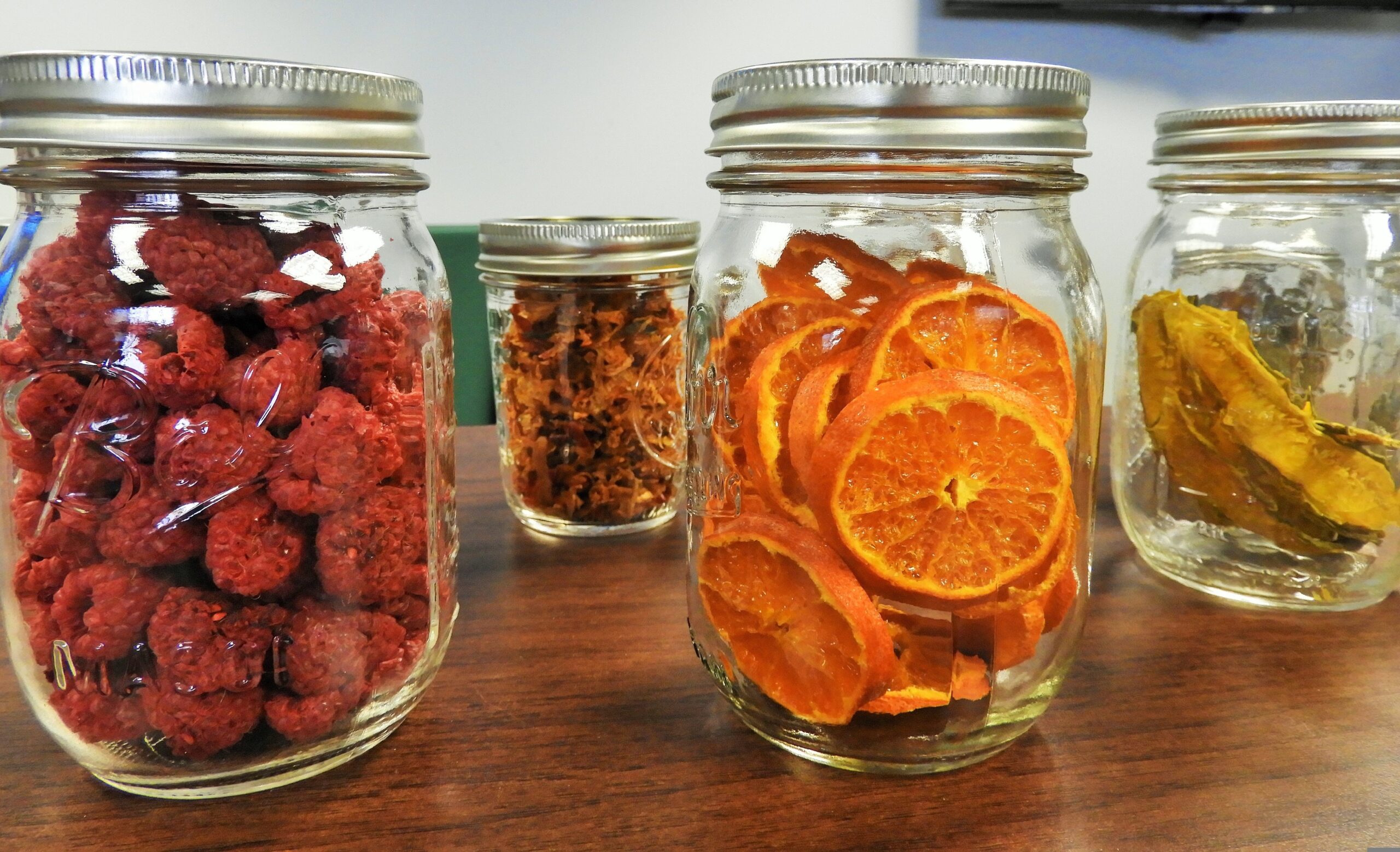
Fruits and vegetables are the easiest entry into dehydrating. Sliced fruits like apples, bananas, and berries dry into sweet, chewy snacks and keep beautifully. Vegetables dry well for storage and for adding to soups and meals later. The keys are slicing food uniformly so it dries evenly, some produce benefits from a pretreatment to preserve color and quality, and drying until the food reaches the proper texture, typically leathery or crisp depending on the food. Properly dried produce is a versatile, healthy store that rehydrates for cooking or eats as-is.
Drying meat safely requires extra care
Dehydrating meat into jerky is rewarding and produces excellent, protein-rich storage food, but it demands more attention to safety than drying fruits and vegetables, because raw meat can carry harmful bacteria. The critical safety step that many people miss is heat: the meat must reach a safe temperature to kill bacteria, and drying alone at low temperatures may not accomplish this reliably. Current food safety guidance recommends heating the meat to a safe internal temperature either before or after drying, rather than assuming the drying process alone makes it safe. Use lean meat, since fat goes rancid and does not preserve well, trim it thoroughly, and follow tested, current guidelines for making jerky safely, including any marinade and the heating step. Store the finished jerky properly and use it within a reasonable time. When you follow proper meat-drying safety, including the crucial heating step to destroy bacteria, jerky is a superb storage food; when people skip that step, they risk foodborne illness. Treat meat drying with the same respect for tested guidelines that safe canning requires, and it rewards you with a valuable, portable protein source.
Storing dried food to last
Drying is only half the job; proper storage is what makes dried food last. Because dried food will reabsorb moisture from the air and spoil if exposed, store it in airtight containers in a cool, dark, dry place. For longer storage, the same techniques that protect other dry goods apply, and dried foods can go into the airtight, oxygen-controlled storage described in long-term food storage. Check stored dried food occasionally for any signs of moisture or spoilage, and label everything with dates. Well-dried and well-stored, your dehydrated food remains a reliable part of your pantry for a long time.
A versatile pillar of preservation
Dehydrating earns its place among preservation methods for its simplicity, versatility, and the compact, lightweight, shelf-stable food it produces, which is ideal for storage and for taking along. It complements canning, fermentation, and cold storage, each method suiting different foods and needs, and together they let a homestead preserve its full harvest and eat well through every season.
Dehydrating, condensed
- Removing moisture denies spoilage organisms what they need, preserving food.
- Dry with a dehydrator, an oven, or the sun; all need gentle warmth and airflow.
- Slice food uniformly and dry it thoroughly to the proper texture.
- Meat drying requires a heating step to kill bacteria; follow tested jerky guidelines.
- Store dried food airtight, cool, dark, and dry, and label with dates.
Dehydrating is preservation at its most accessible, turning fresh produce and meat into lightweight, shelf-stable food with nothing more than gentle warmth and airflow. Master the simple principles, dry your food thoroughly, take the extra safety care that meat requires, and store the results airtight, and you add a versatile and valuable method to your preservation repertoire. From sweet dried fruit to protein-rich jerky, dehydrating helps a self-reliant household carry the abundance of the harvest forward into a compact, lasting pantry that travels light and keeps long.