Rain falling on a roof is free water that most people simply let run away, and capturing it is one of the most rewarding and practical projects a self-reliant household can undertake. Rainwater harvesting, collecting and storing rain for later use, provides water for gardens, livestock, and, with proper treatment, household needs, all while reducing your dependence on wells and municipal supply. A surprising amount of water falls on even a modest roof, and building your own system to capture it is well within reach. This guide covers how rainwater harvesting works and how to build a system.
How much water you can actually collect
The amount of rainwater you can harvest surprises most people. A substantial volume of water falls on any roof during a rain, and even in drier climates the annual total from a home’s roof is significant. The catchment potential depends on your roof area and your local rainfall, and doing this simple calculation for your own home is often the motivation people need to build a system, because the numbers are genuinely impressive. That water, which otherwise runs off and is lost, can instead be stored to carry your garden and animals through dry spells and to provide a valuable backup supply.
The parts of a harvesting system
A rainwater system, from simple to elaborate, is built from a few basic components:
- The catchment surface, usually your roof, where the rain lands.
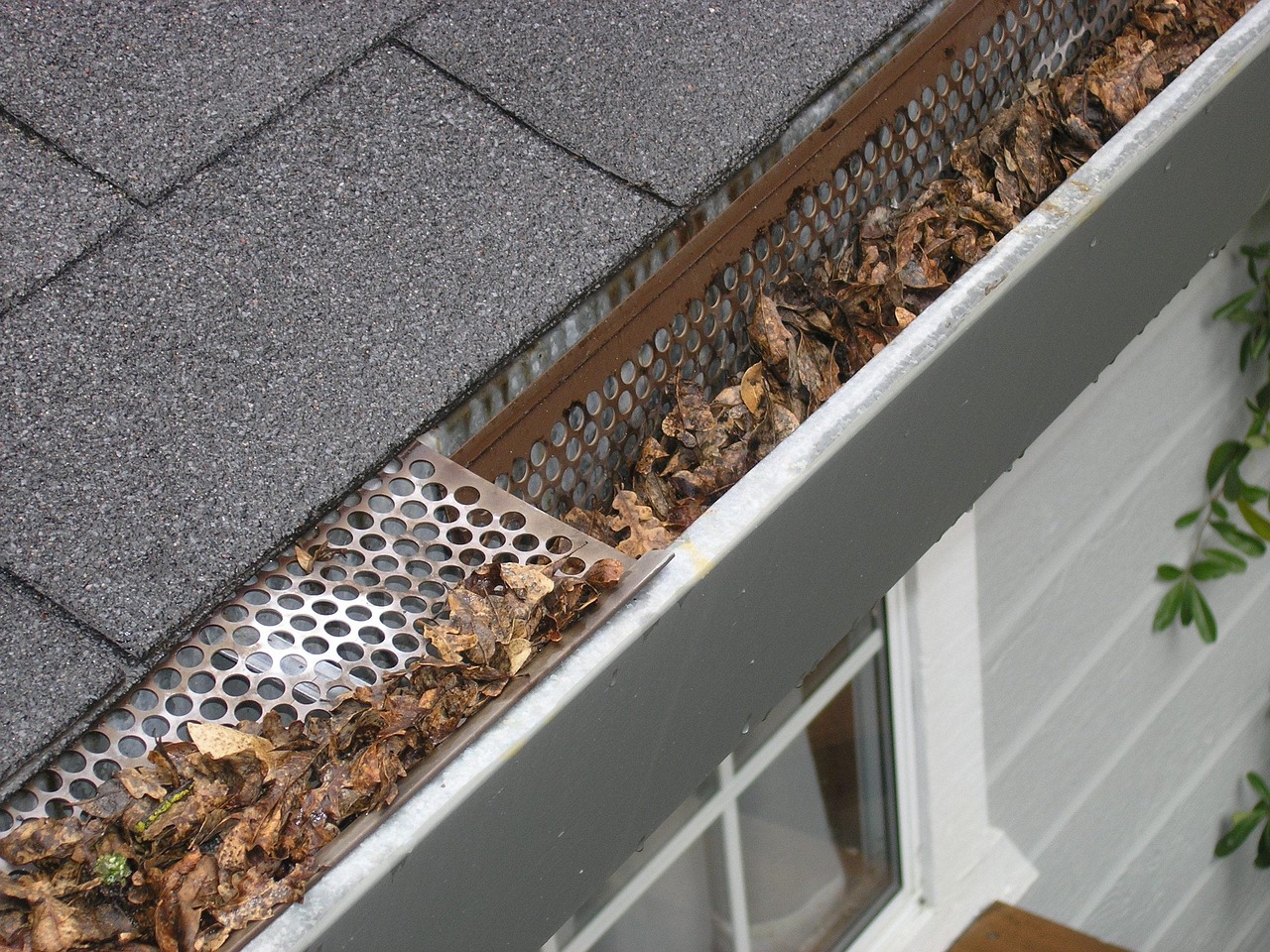
- Gutters and downspouts that collect the water and channel it toward storage.
- A first-flush diverter, which discards the initial dirty runoff that washes debris and contaminants off the roof, keeping your stored water cleaner. This simple addition significantly improves water quality.
- Storage, from a single rain barrel to large tanks or cisterns, sized to your needs and rainfall. Storage is usually the biggest cost and the factor that determines how much you can keep.
- Filtration and treatment appropriate to how you will use the water, from simple screening for garden use to full purification for drinking.
You can start with a single rain barrel under a downspout this weekend and expand toward larger storage over time.
Match the treatment to the use
A crucial principle of rainwater harvesting is that the treatment your water needs depends entirely on how you will use it, and matching the two keeps things both safe and practical. For irrigating gardens and watering livestock, harvested rainwater typically needs only basic screening to keep out debris, making garden and animal use the easiest and most common application. For household non-drinking uses, a bit more filtration may be appropriate. But for drinking water, rainwater must be properly filtered and purified, because it can pick up contaminants from the roof, the air, and storage, and untreated roof runoff is not safe to drink as collected. This does not mean rainwater cannot be a drinking source, it can be an excellent one, but only with proper treatment to make it safe. So plan your system around its intended use: a simple setup for the garden needs little treatment, while a drinking supply needs a proper purification stage. Always keep the ability to treat your harvested water, so that even a system built for irrigation can provide safe drinking water in an emergency when you filter and purify it.
Make harvested water safe to drink

Affiliate note: buy through this link and ThisTracks may earn a small commission at no extra cost to you. We only list gear that is in stock and that we would carry ourselves.
Check the rules, and keep it clean
Before building a large system, be aware that rainwater harvesting is regulated in some places, with rules ranging from encouragement and incentives to, in a few areas, restrictions, so check your local regulations. Once your system is running, maintain it: keep gutters and screens clear of debris, maintain the first-flush diverter, keep storage covered to prevent mosquitoes and contamination and to block light that grows algae, and clean the system periodically. A well-maintained system provides clean, reliable water for years.
A cornerstone of water self-reliance
Rainwater harvesting is a key piece of water independence and resource stewardship, capturing a free resource that would otherwise be lost and reducing your reliance on outside water sources. It fits naturally with the broader goal of managing your homestead’s resources and with off-grid living, and it complements your stored water supply with a renewable source that refills with every rain. For any homestead, learning to harvest the rain is a satisfying step toward genuine water self-reliance.
Rainwater harvesting, condensed
- Even a modest roof captures a surprising, significant volume of free water.
- A system needs catchment, gutters, a first-flush diverter, storage, and treatment.
- Match treatment to use: minimal for gardens, full purification for drinking.
- Keep the ability to filter harvested water for safe drinking in an emergency.
- Check local rules, keep the system clean and covered, and expand over time.
Rainwater harvesting turns a resource we usually waste into a genuine asset, giving your garden, your animals, and potentially your household a renewable water supply that refills with every storm. Start simple with a rain barrel, understand the components, match your treatment to how you will use the water, and expand as your needs grow. Capture the rain that falls on your own roof, and you take a meaningful step toward water self-reliance, gaining a free, renewable supply and reducing your dependence on sources you do not control, one rainfall at a time.