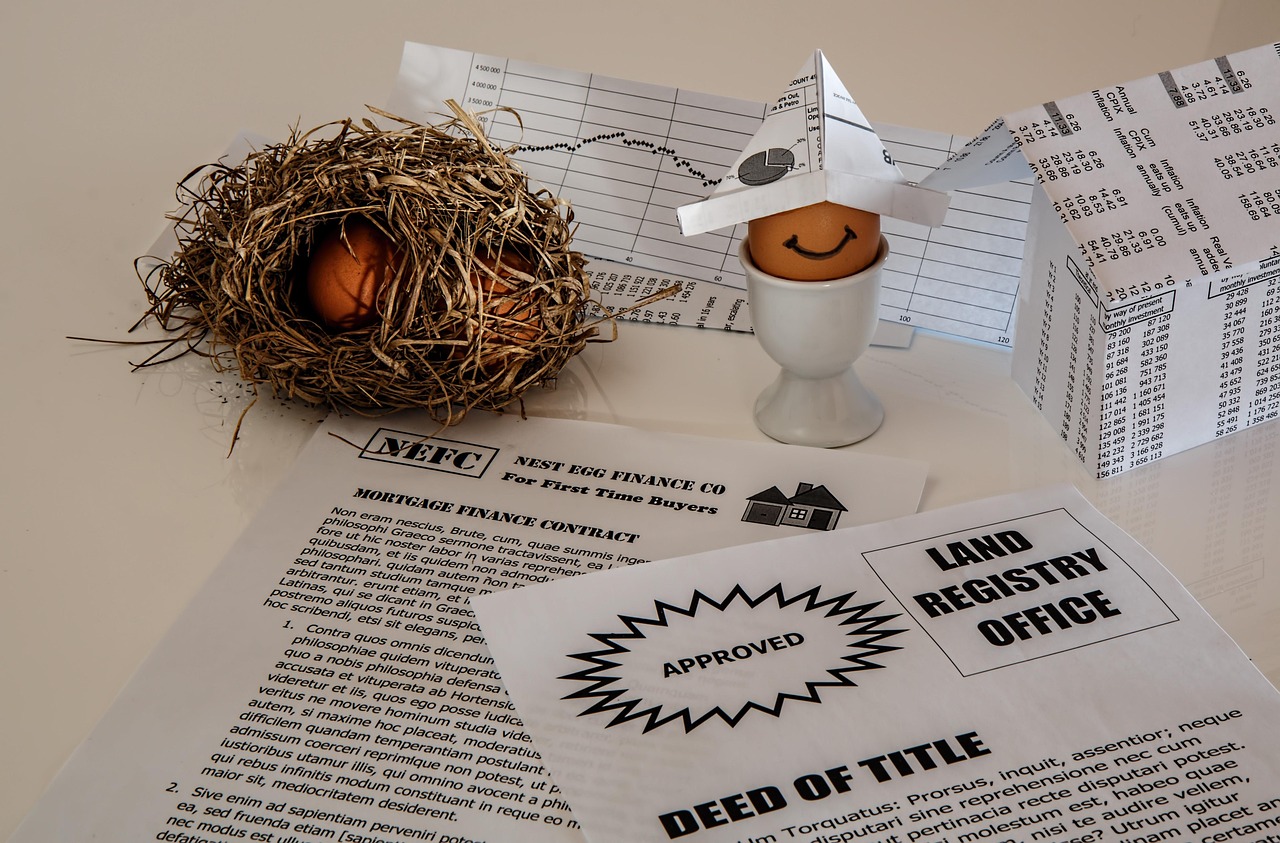
In a crisis, the things you own and the rights you hold to them can suddenly matter in ways they never did before. Property disputes, insurance claims, damage, displacement, and the confusion that follows a disaster all turn on one thing: whether you can prove what is yours and understand your rights. Protecting your property rights is a quiet but important part of preparedness, and it comes down largely to documentation and knowledge prepared in advance. This is not legal advice, but a practical guide to protecting your property rights before and during crisis situations.
Documentation is your foundation
The single most important thing you can do to protect your property rights is to have thorough, secure, accessible documentation, because in any dispute, claim, or recovery, the ability to prove ownership and value is everything. Assemble and safeguard:
- Ownership documents: deeds, titles, and registrations for your home, land, and vehicles.
- Insurance policies: the policies, numbers, and contacts for home, property, auto, and any specialized coverage.
- A home and property inventory: a documented record, ideally with photos or video, of your belongings and their value, which is invaluable for insurance claims after loss.
- Financial and legal records that establish what you own and your rights to it.
These records are what turn a claim of ownership into proof of ownership, and after a disaster they can mean the difference between a smooth recovery and a prolonged, costly ordeal.
Protect the documents themselves, and keep copies elsewhere
Documentation only protects you if the documentation survives, which means the papers that prove your property rights need protection every bit as much as the property itself. A house fire or flood that destroys your home can also destroy the deeds, titles, and records you would need to rebuild and claim, leaving you doubly harmed. So safeguard your documents against the same disasters that threaten your property: keep the originals or copies in waterproof and fireproof protection, and, crucially, maintain copies in a separate location or securely stored digitally, so that a single event cannot destroy both your property and your ability to prove it was yours. Encrypted cloud storage and a secured offsite copy ensure your records survive even if your home does not, which is exactly when you will most need them. Include copies in your emergency go-bag so that even in an evacuation you carry proof of what you own, as covered in bug-out documents. This redundancy, protected originals plus copies stored elsewhere, is what ensures your property rights are provable no matter what happens to your home, and it is the cheapest, most effective property protection there is.
Insurance is a property right worth understanding
Insurance is one of the primary mechanisms for protecting the value of your property, and understanding your coverage before a crisis prevents painful surprises. Know what your policies actually cover and, just as importantly, what they exclude, because standard coverage often has significant gaps. Many homeowner policies, for example, do not cover flooding, which requires separate coverage that may have a waiting period, so arranging it long before any threat is essential. Review your coverage periodically to ensure it reflects your property’s real value and your actual risks, and keep the documentation that supports a claim. A well-understood, adequate insurance policy backed by good records is one of the strongest protections your property rights can have, turning a catastrophic loss into a recoverable one.
Know your rights, and prepare for disruption
Beyond documentation and insurance, protecting your property rights means understanding the legal framework around them, which varies by location and situation. Know your basic rights as a property owner, understand how emergencies and official actions can affect property, and be aware that crisis situations can bring legal complexities, from disputes to questions of access and authority. This connects to the broader importance of understanding your local laws and preparing for legal challenges after a disaster. When property questions become genuinely contested or complex, qualified legal counsel is the right resource, and having your documentation in order makes any such situation far easier to navigate.
Preparation makes rights defensible
Protecting your property rights is ultimately about being able to prove and defend what is yours when it matters, and that capability is built in advance through documentation, insurance, and knowledge. It fits within the broader picture of post-disaster recovery, where good records dramatically speed and strengthen your ability to rebuild and claim. The household that has documented its property, secured those documents against disaster, understood its insurance, and knows its rights is far better positioned to protect what it owns through any crisis than one relying on memory and hope.
Protecting property rights, condensed
- Documentation is the foundation: deeds, titles, insurance, and a photo home inventory.
- Protect the documents against fire and flood, and keep copies offsite or securely digital.
- Understand your insurance coverage and its gaps before a crisis, not after.
- Know your basic property rights and how emergencies can affect them.
- Good records make your rights provable and your recovery far smoother.
Your property rights are only as strong as your ability to prove and defend them, and that strength is built quietly, in advance, through thorough documentation, adequate and understood insurance, and knowledge of your rights. Assemble your ownership records and home inventory, protect those documents against the same disasters that threaten your property, keep copies safely elsewhere, and understand your coverage and your rights before you ever need them. Do that, and whatever a crisis brings, you can prove what is yours and defend it, turning your property rights from a vulnerability into one more layer of your family’s resilience.