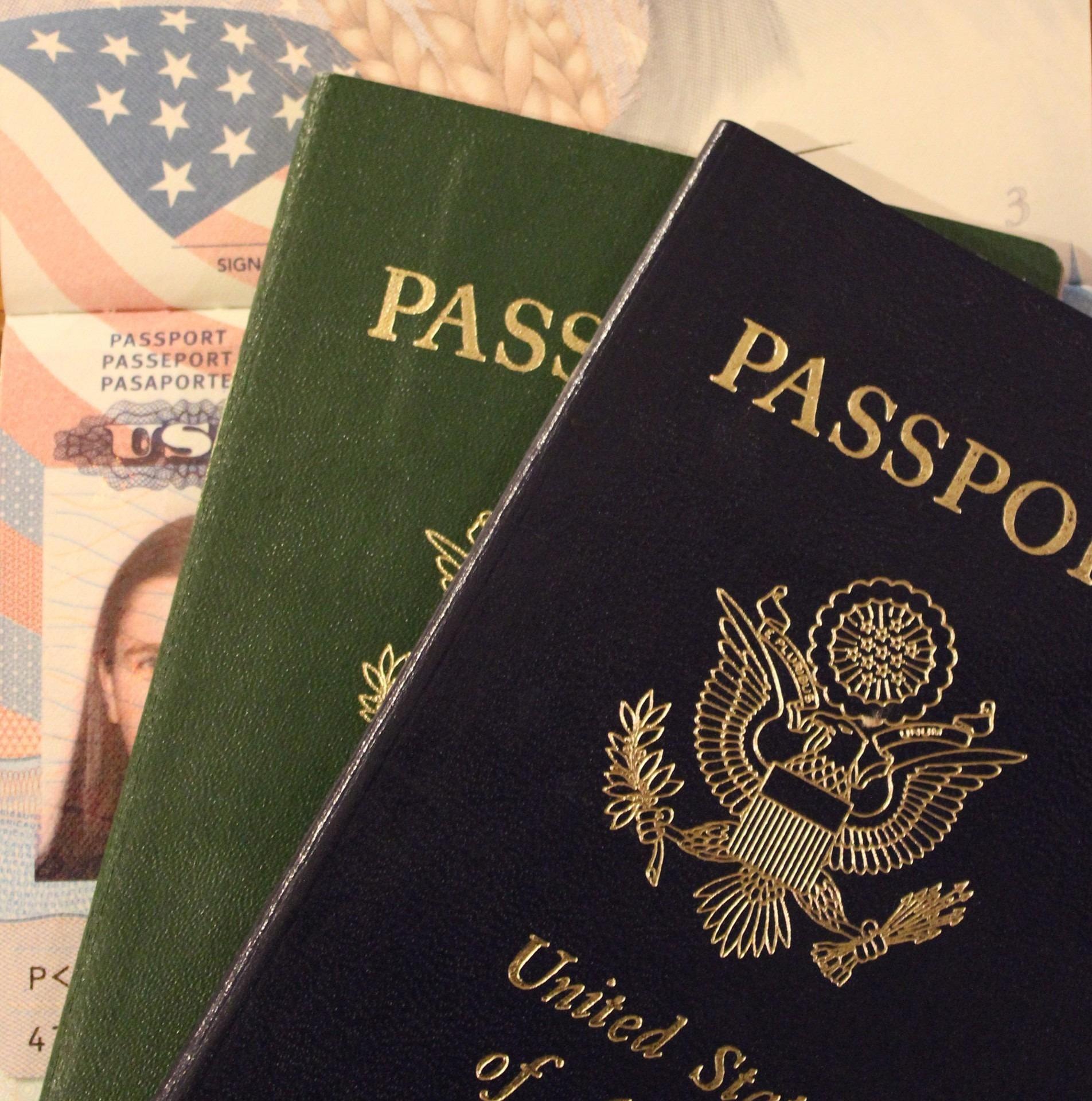
When a disaster forces you from your home, the things that prove who you are, what you own, and what you are owed can be as vital to your recovery as any survival supply. People focus on water and food and forget that rebuilding a life after a disaster runs on paperwork: insurance claims, identification, medical records, account access. A house can be rebuilt, but proving your identity and your claims without documents can turn recovery into a bureaucratic nightmare. The document component of your bug-out bag is what protects your identity and your future, and it deserves real thought.
What to include
Assemble copies of the documents you would need to prove who you are, access your resources, and rebuild after a disaster. Gather:
| Category | Documents |
|---|---|
| Identification | Driver’s licenses, passports, birth certificates, Social Security cards |
| Financial | Account numbers, card contact info, some cash |
| Insurance | Policy numbers and contacts for home, auto, health, life |
| Medical | Medications, conditions, allergies, immunizations, providers |
| Property | Deeds, titles, home inventory with photos |
| Legal/personal | Wills, power of attorney, marriage/custody documents, contacts |
- Identification: copies of driver’s licenses, passports, birth certificates, and Social Security cards for every family member.
- Financial: account numbers, a list of credit and debit cards with contact numbers, and some cash, since access to accounts may be disrupted.
- Insurance: policy numbers and contact information for home, auto, health, and life insurance, which you will need immediately for claims.
- Medical: a list of medications, conditions, allergies, immunization records, and providers for each family member.
- Property: copies of deeds, titles, and a home inventory with photos, which support insurance claims.
- Legal and personal: copies of wills, powers of attorney, marriage and custody documents, and important contacts.
You do not need the originals in your bag; copies serve for most purposes, and keeping originals secured elsewhere protects them. What matters is having the information accessible when you cannot get home.
Protect documents from water above all
Paper documents have one great enemy in a disaster: water. Floods, rain, and the wet conditions of many emergencies can destroy an unprotected packet of vital papers in minutes, leaving you with nothing exactly when you need proof of everything. So waterproofing is not optional for this component. Seal your documents in a waterproof bag or container, and consider that a bug-out bag itself may get soaked in an evacuation. A few dollars of waterproof protection preserves the paperwork that your entire recovery may depend on. Do not let a rainstorm or a flood turn your carefully assembled documents into pulp; a waterproof pouch is the cheapest insurance in your whole bag.
Keep documents dry

Affiliate note: buy through this link and ThisTracks may earn a small commission at no extra cost to you. We only list gear that is in stock and that we would carry ourselves.
Keep digital backups too
Physical copies can be lost or destroyed, so back them up digitally as well. Scan your documents and store them securely: encrypted cloud storage that you can access from anywhere, and an encrypted USB drive in your bag as an offline copy. This redundancy means that even if your bag is lost, your documents survive, and even if the internet is down, you have an offline set. Secure these digital copies properly, since they contain sensitive information that would be valuable to identity thieves, which connects to protecting your personal data. Encryption and strong passwords keep your backup from becoming a liability.
Include a home inventory
One document that pays for itself many times over is a home inventory for insurance. Photograph or video every room and your valuables, and keep that record with your documents. After a disaster, a detailed inventory dramatically strengthens your insurance claims and helps you remember everything you lost, which is remarkably hard to do from memory amid the stress of recovery. This small effort in advance can mean thousands of dollars of difference in what you recover, as covered in post-disaster recovery.
Organizing the packet so it is actually usable
A shoebox of loose papers defeats the purpose almost as much as having nothing. Use a simple accordion folder or a labeled set of sheet protectors in a small binder, organized by the categories above, so that under stress you or anyone else in the family can find the right document in seconds rather than digging through a jumbled stack. Put the most frequently needed items, primary IDs and insurance contacts, at the very front, since those are the ones you are likely to need first at a shelter or a claims desk.
Keep it current
Documents change: policies renew, cards expire, medications update, children are born. Review your document packet during your twice-yearly go-bag check and update anything that has changed. Outdated documents can be worse than none, sending you to a closed account or an expired policy. Keeping this component current ensures that when you need to prove something in a hurry, the proof is accurate.
Common questions
Should I carry original documents or only copies?
Copies for the bag, originals secured at home or in a safe deposit box. A copy is sufficient for most immediate needs, identification checks, insurance claims, shelter registration, and losing a copy is a minor inconvenience compared to losing an irreplaceable original.
Is it safe to keep this much personal information in cloud storage?
Yes, provided the storage is genuinely encrypted and protected by a strong, unique password and two-factor authentication, the same standards covered in our digital security guides. The risk of not having accessible backups during a real disaster generally outweighs the security risk of a properly secured cloud account.
What is the fastest way to build this packet if I have never organized my documents before?
Start with the single most urgent tier, government ID and insurance policy numbers, since those unlock the most immediate needs, and build out the rest over a few sessions rather than trying to gather everything in one sitting. An 80 percent complete packet assembled this week beats a perfect one still unfinished next year.
Bug-out documents, condensed
- Pack copies of ID, financial, insurance, medical, property, and legal documents.
- Waterproof them; water destroys unprotected papers in minutes.
- Keep encrypted digital backups in the cloud and on an offline drive.
- Include a photo or video home inventory for insurance claims.
- Organize the packet so it is usable under stress, and review it twice a year.
The document component of your bug-out bag protects something you cannot forage or filter: your identity and your ability to rebuild. Gather copies of everything that proves who you are and what you are owed, seal them against water, back them up digitally with proper security, and keep the whole packet current. Do that, and a disaster that takes your home does not also take your ability to reclaim your life, which is exactly the kind of quiet, forward-thinking preparation that separates a smooth recovery from a prolonged ordeal.