A dedicated GPS device can be a wonderful navigation tool, pinpointing your location anywhere on earth with remarkable accuracy. It can also lull you into a dangerous dependence, because the moment its batteries die or it fails, a person who relied on it entirely is suddenly lost. The key to using GPS well is understanding both its genuine strengths and its real limitations, choosing the right device for your needs, and always backing it up with skills that do not run on batteries. This guide helps you choose and use GPS wisely.
What GPS does well, and what it does not
A clear-eyed view of the technology keeps you from either dismissing it or over-trusting it. Its strengths are real: precise location almost anywhere, useful features like tracking your route and marking waypoints, and ease of use compared to map-and-compass work. But its limitations are just as real and must be respected:
- It depends on batteries, which die, especially in cold weather, leaving you with a dead brick if you have no backup power or skills.
- Signal can be lost in deep canyons, dense forest, and other terrain that blocks the sky.
- Devices fail: they can break, get wet, or malfunction, and electronics are less rugged than paper.
- It can be wrong, and blindly following it without cross-checking against the terrain has led people badly astray.
Used with awareness of these limits, GPS is a powerful aid. Trusted blindly, it is a trap.
Choosing the right device
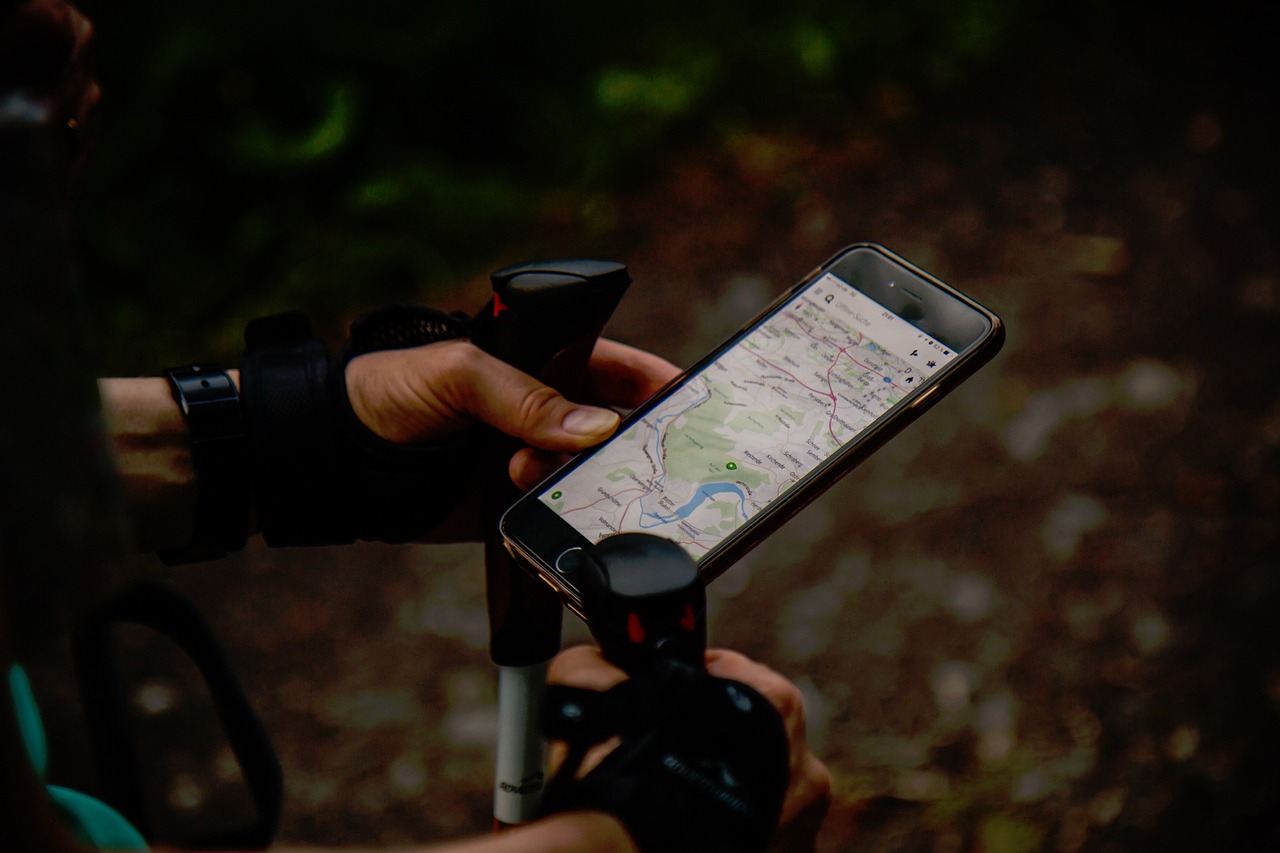
Consider what you actually need before buying. Dedicated handheld GPS units are rugged, have long battery life, and are built for the outdoors, making them the choice for serious backcountry use. GPS-enabled satellite messengers add the crucial ability to send messages and call for help from beyond cell coverage, a genuine safety feature for remote travel. For many people, a smartphone with GPS apps is capable and convenient, which is covered in navigating with technology. Match the device to how far off the grid you go, how much you value rugged reliability, and whether you need emergency messaging.
Power and redundancy are everything
Since every GPS device lives or dies by its power, plan for that reality. Carry spare batteries or a way to recharge, and know that cold weather drains batteries far faster than you expect, so keep devices warm. But even perfect power management is not enough on its own, because devices still fail and signals still drop. The unbreakable rule of GPS use is redundancy: never let a battery-powered device be your only means of navigation. Always carry a paper map and compass of your area and know how to use them, so that when, not if, the electronics fail, you can still find your way. The people who get into serious trouble are almost always the ones who trusted a single electronic device with no backup. Treat GPS as your convenient primary tool and analog skills as your unfailing safety net.
Keep devices powered, keep a compass


Affiliate note: buy through these links and ThisTracks may earn a small commission at no extra cost to you. We only list gear that is in stock and that we would carry ourselves.
Use it well
Good GPS practice means more than turning it on. Learn your device thoroughly before you rely on it, download or load the maps for your area in advance, mark key waypoints like your vehicle and camp, and cross-check what the device tells you against the terrain you actually see, applying the same terrain-association habit from orienteering. A GPS that agrees with the landscape confirms your position; one that disagrees is a signal to stop and figure out why, not to march blindly onward.
Skills remain the foundation
The wisest navigators treat GPS as a convenient tool layered on top of solid fundamental skills, never as a replacement for them. Know how to read a topographic map and compass and how to navigate by the natural world, and GPS becomes a helpful addition rather than a dangerous crutch. The technology is genuinely useful; the skills are what make it safe.
GPS devices, condensed
- GPS is precise and convenient but depends on batteries, signal, and working hardware.
- Match the device to your needs; satellite messengers add emergency messaging.
- Manage power carefully; cold drains batteries fast.
- Never rely on GPS alone. Always carry a map and compass and know how to use them.
- Cross-check the device against the terrain, and build the analog skills underneath it.
A GPS device is a remarkable tool that has made navigation easier and safer for millions of people, and it earns a place in your kit. But its greatest danger is the false confidence it can breed, tempting people to abandon the skills that would save them when it fails. Use GPS for what it does well, manage its power, cross-check it against the real world, and always back it with a map, a compass, and the knowledge to use them. That balanced approach gives you the best of both worlds: modern precision with an unfailing safety net beneath it.