Long before satellites and compasses, people crossed oceans and continents using nothing but the sky, the land, and careful observation. Those natural navigation skills still work, and they become priceless on the day your compass is lost and your phone is dead. Reading direction from the natural world will rarely be as precise as a compass bearing, but it is often precise enough to keep you walking the right way, and it is a skill that can never be lost, broken, or drained. Here is how to find your way when the world is your only instrument.
The sun is your primary clock and compass
The single most reliable natural guide is the sun, because its motion is dependable. In the Northern Hemisphere it rises in the east, arcs across the southern sky, and sets in the west, so at midday it sits roughly to your south. That alone orients you. Two classic methods sharpen it:
- The shadow-stick method. Push a straight stick into level ground and mark the tip of its shadow. Wait fifteen to twenty minutes and mark the new tip. The first mark is roughly west, the second east, and a line between them runs east to west. This works anywhere the sun casts a shadow and is remarkably accurate.
- An analog watch. With a traditional watch set to true local time, you can find south in the Northern Hemisphere by pointing the hour hand at the sun; south lies halfway between the hour hand and twelve.
The night sky points the way
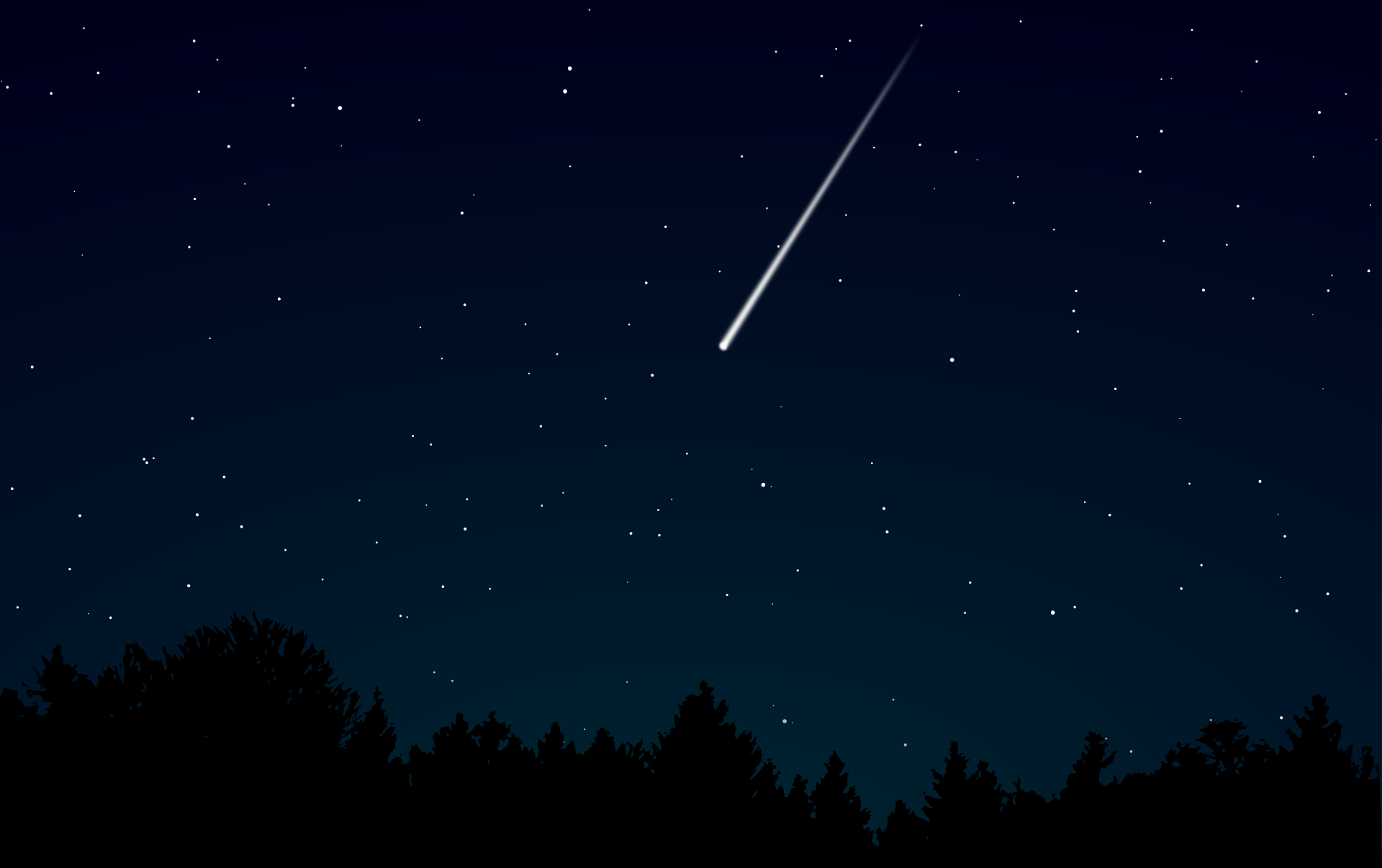
When the sun is gone, the stars take over. In the Northern Hemisphere, the North Star, Polaris, sits almost directly over true north and barely moves all night, making it the most dependable natural direction finder there is. Find it by using the two outer stars of the Big Dipper’s cup, which point straight at it. Once you can locate Polaris, you always know which way is north, no instrument required. In the Southern Hemisphere, the Southern Cross serves a similar role for finding south.
Forget the moss myth
You have almost certainly heard that moss grows on the north side of trees, so you can find north by looking for it. Do not trust it. Moss grows wherever conditions are damp and shaded, which depends on the local terrain, tree cover, and moisture far more than on direction. In real forests moss grows on all sides of trees, and betting your life on which side has more is a good way to walk in circles. Natural navigation rewards reliable indicators like the sun and Polaris, not folklore. When you catch yourself reaching for the moss rule, reach for a shadow stick instead.
Reading the land itself
Beyond the sky, the landscape offers clues for both direction and finding help. Water flows downhill and streams generally lead toward larger waters and, eventually, toward the settlements that tend to grow along rivers, so following water downstream is a classic strategy for a lost person seeking people. Prevailing winds shape trees and dunes in consistent directions in a given area. In snow, the sun’s warmth affects slopes differently by aspect. None of these is as crisp as a compass, but layered together they build a dependable sense of direction.
A quick reference for common natural indicators
| Indicator | What it tells you | Reliability |
|---|---|---|
| Sun position (midday) | Roughly south (Northern Hemisphere) | High |
| Shadow-stick method | Precise east-west line | High |
| Polaris | True north, all night | Very high, clear skies only |
| Water flow direction | Downhill, often toward settlement | Moderate, useful strategy not a bearing |
| Moss on trees | Nothing reliable | Very low; a persistent myth |
Natural navigation is a backup, not a first choice
Be honest about the limits. These methods are your fallback for when instruments fail, not a reason to leave the map at home. The wise approach is redundancy: carry a paper map and compass and know how to use them, as covered in topographic map navigation, and keep natural navigation in reserve for when those are gone. If you do become lost, remember that in many cases staying put and signaling for rescue is safer than wandering, so being found may matter more than finding your own way out.
Be seen while you navigate

Affiliate note: buy through this link and ThisTracks may earn a small commission at no extra cost to you. We only list gear that is in stock and that we would carry ourselves.
Practicing before you actually need it
Natural navigation skills fade quickly without use, more so than map and compass work, since there is no physical tool to prompt the memory. Practice the shadow-stick method on a sunny afternoon in your own yard, timing how long the wait actually takes and comparing your result against a known compass direction. Spend a few clear nights learning to find Polaris quickly rather than hunting for it slowly, since in an actual situation you want the recognition to be near-instant. A skill rehearsed a handful of times in calm conditions is dramatically more reliable than one only read about.
Common questions
How accurate is the shadow-stick method compared to a real compass?
Done carefully, it typically gets you within a few degrees of true east-west, which is accurate enough for practical wayfinding over reasonable distances, though not precise enough for technical navigation requiring an exact bearing. For most survival and hiking purposes, that level of accuracy is more than sufficient to keep you moving in a sound general direction.
What do I do if it is cloudy and I cannot see the sun or stars at all?
Fall back on terrain-based clues, water flow direction, consistent wind-shaped vegetation, and known landmarks, while accepting that your confidence in any single direction should be lower. In genuinely poor visibility with no reliable natural indicators, staying put and signaling is often the wiser move over pressing on with a low-confidence guess.
Does natural navigation work the same way in the Southern Hemisphere?
The general principles hold, but specific details flip: the sun’s midday position sits to the north rather than south, and the Southern Cross, not Polaris, becomes the key night-sky reference for finding south. If you travel to the Southern Hemisphere, it is worth specifically learning that region’s version of these techniques rather than assuming Northern Hemisphere rules transfer directly.
Natural navigation, condensed
- The sun is your best guide: use the shadow-stick or an analog watch to find direction.
- At night, Polaris marks true north and barely moves. Find it with the Big Dipper.
- Ignore the moss myth. It grows wherever it is damp, not reliably north.
- Follow water downstream toward larger waters and likely settlements.
- Treat natural methods as a backup to map and compass, not a replacement.
There is something deeply reassuring about knowing that even stripped of every device, you could still read the sky and the land well enough to keep your bearings. Learn the sun methods, learn to find Polaris, and practice them on clear days so they are ready in the dark. The natural world has guided travelers for all of human history, and with a little knowledge it will still guide you when nothing else can.