In a survival situation, fish are one of the most valuable food sources available, offering high-quality protein and fat for relatively little effort, especially compared to hunting. Water bodies concentrate life, and fish are often abundant where game is scarce. Survival fishing differs from recreational angling in a crucial way: the goal is calories with minimal energy expended, which favors passive and efficient methods over the sporting pursuit of a single fish. This guide covers fishing techniques suited to survival, where feeding yourself with the least effort is what matters.
Think passive and efficient, not sporting
The mindset of survival fishing is entirely practical: you want to catch as much food as possible while spending as little of your own precious energy as you can, since in a survival situation calories are life and you cannot afford to burn more energy than you gain. This means favoring methods that work for you while you do other things, rather than actively fishing for hours. The most efficient survival fishing techniques are the ones you set up and leave, checking them periodically, so that fishing happens in the background while you tend to shelter, water, and fire. This efficiency-first approach shapes every technique below.
Set lines and let them work
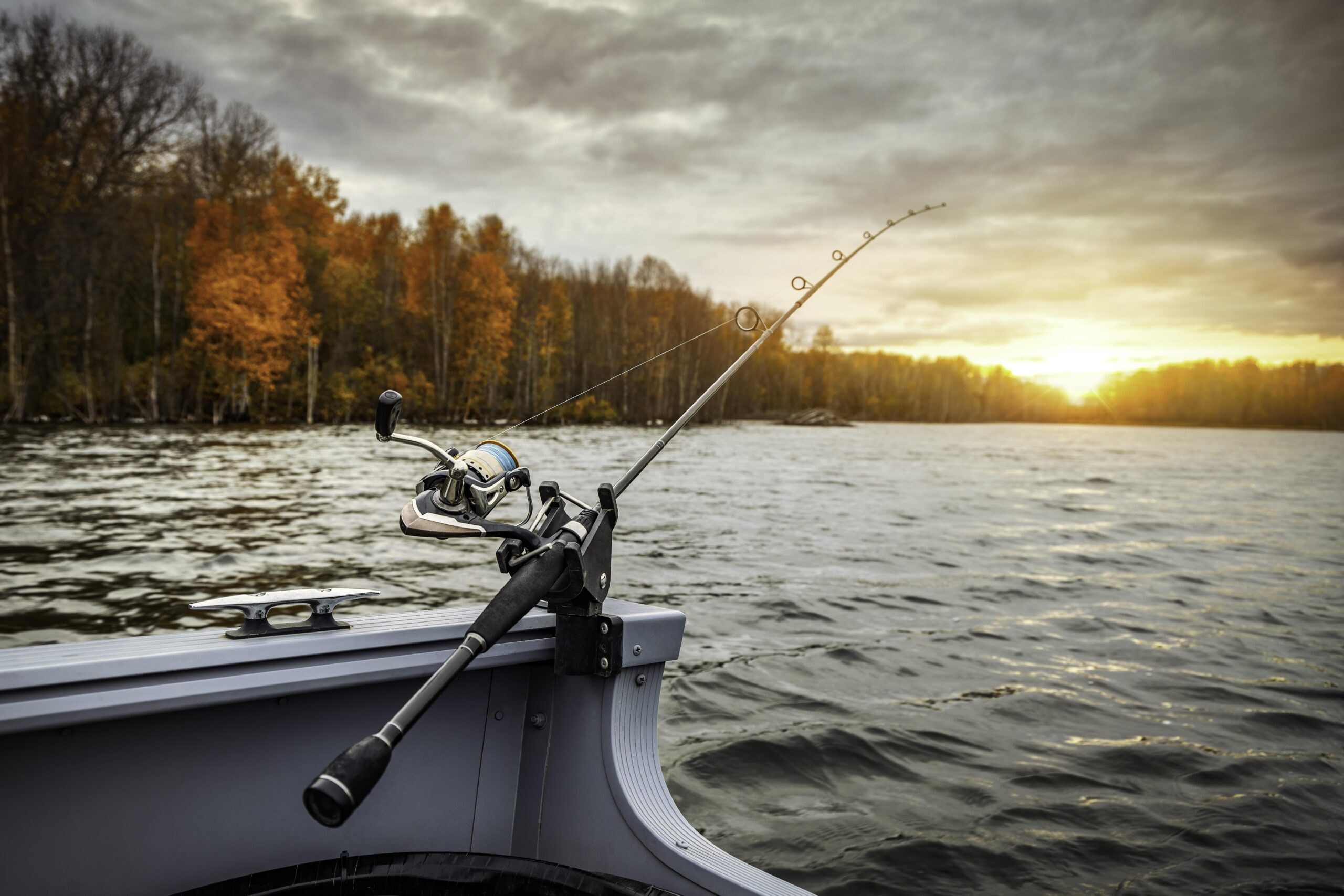
The workhorse of survival fishing is the set line, a baited hook and line left in the water to catch fish without your active involvement. Rather than holding a line and waiting, you set multiple baited lines secured to the bank or overhanging branches and leave them to fish continuously, checking them periodically and rebaiting as needed. Setting several lines multiplies your chances and lets the water work for you around the clock. This passive approach embodies the survival principle of catching food while expending minimal energy, and it dramatically outperforms actively fishing a single line by hand. Simple improvised hooks and lines can be surprisingly effective when set well and left to work.
Fishing line built into your cordage

Affiliate note: buy through this link and ThisTracks may earn a small commission at no extra cost to you. We only list gear that is in stock and that we would carry ourselves.
Traps and other efficient methods
Beyond set lines, several methods can be highly productive for survival fishing. Fish traps and weirs, structures that funnel and hold fish, are among the most efficient techniques because they catch continuously with no active effort once built, embodying the passive ideal, and they connect to the broader skill of traps and snares. Gathering shellfish, crayfish, and other aquatic life by hand where available can provide easy calories. In some situations, netting can capture many fish at once. The common thread is efficiency: methods that yield a lot of food for a little effort are what survival fishing prizes, and combining several passive methods maximizes your food while minimizing your energy.
Read the water and use good bait
Success in survival fishing improves greatly with a little knowledge of where and how fish feed. Fish tend to concentrate in certain areas, near structure, in deeper pools, at the edges of currents, and at the times they feed, often dawn and dusk, so placing your lines and traps where fish gather increases your catch. For bait, use what is naturally available and what the local fish eat, insects, worms, grubs, and bits of other catches, matching your bait to the local food supply. Reading the water to place your efforts well is what turns set lines and traps from hopeful into productive.
Fishing in the survival food picture
Fishing holds a special place among survival food sources because of its favorable ratio of calories gained to energy spent, especially through passive methods, making it often more practical than active hunting. It complements foraging and trapping as the efficient, low-energy food strategies that suit a survival situation, where the survival priorities put food last precisely because you have time, and where conserving energy matters as much as gaining it. Note that in normal, non-survival times, fishing methods and licensing are regulated, and many survival techniques are restricted to genuine emergencies, so understand your local rules for ordinary fishing.
Survival fishing, condensed
- Aim for maximum calories with minimal energy; favor passive over active methods.
- Set multiple baited lines and leave them to fish continuously, checking periodically.
- Fish traps and weirs catch around the clock with no active effort once built.
- Place your efforts where and when fish gather and feed, and match bait to local food.
- Fishing offers a favorable calorie-to-effort ratio, often better than hunting.
Fishing is one of the most valuable and efficient ways to feed yourself in a survival situation, providing rich protein for relatively little energy when you approach it with the right passive, efficiency-first mindset. Set your lines and traps to work for you around the clock, read the water to place them well, use natural bait, and let the methods do the labor while you tend to your other needs. Master these techniques, ideally by practicing the principles before you ever need them, and the waters become a dependable pantry, offering some of the best survival calories available to those who know how to fish for survival rather than sport.