North America is remarkably rich in wild edible foods, and for those who learn to recognize them, the landscape offers a surprising abundance of nutrition growing free for the gathering. From nutrient-dense wild greens to protein-rich nuts and vitamin-packed berries, common wild foods across the United States can genuinely supplement a diet and, in a survival situation, provide vital nutrition. This guide offers an overview of common categories of North American wild food and their nutritional value, always within the essential framework that safe foraging demands.
Nutrition never overrides the identification rule
Before exploring the nourishment wild foods offer, the foundational safety rule must be repeated, because no nutritional benefit is worth the risk of poisoning: never eat any wild food unless you have identified it with complete, one hundred percent certainty. The nutritional richness of wild foods is only accessible to those who can identify them safely, and some nourishing wild plants have dangerous look-alikes, so certain identification always comes before any consideration of nutrition. Learn each wild food thoroughly from reliable, region-specific sources and ideally from experienced foragers, as covered in identifying edible plants in the wild, and treat every plant as suspect until proven. The abundance described here is real and valuable, but it belongs only to the forager who has earned safe, certain knowledge. With that non-negotiable foundation firmly in place, the nutritional gifts of wild food are genuinely worth understanding.
Wild greens: dense nutrition, often free
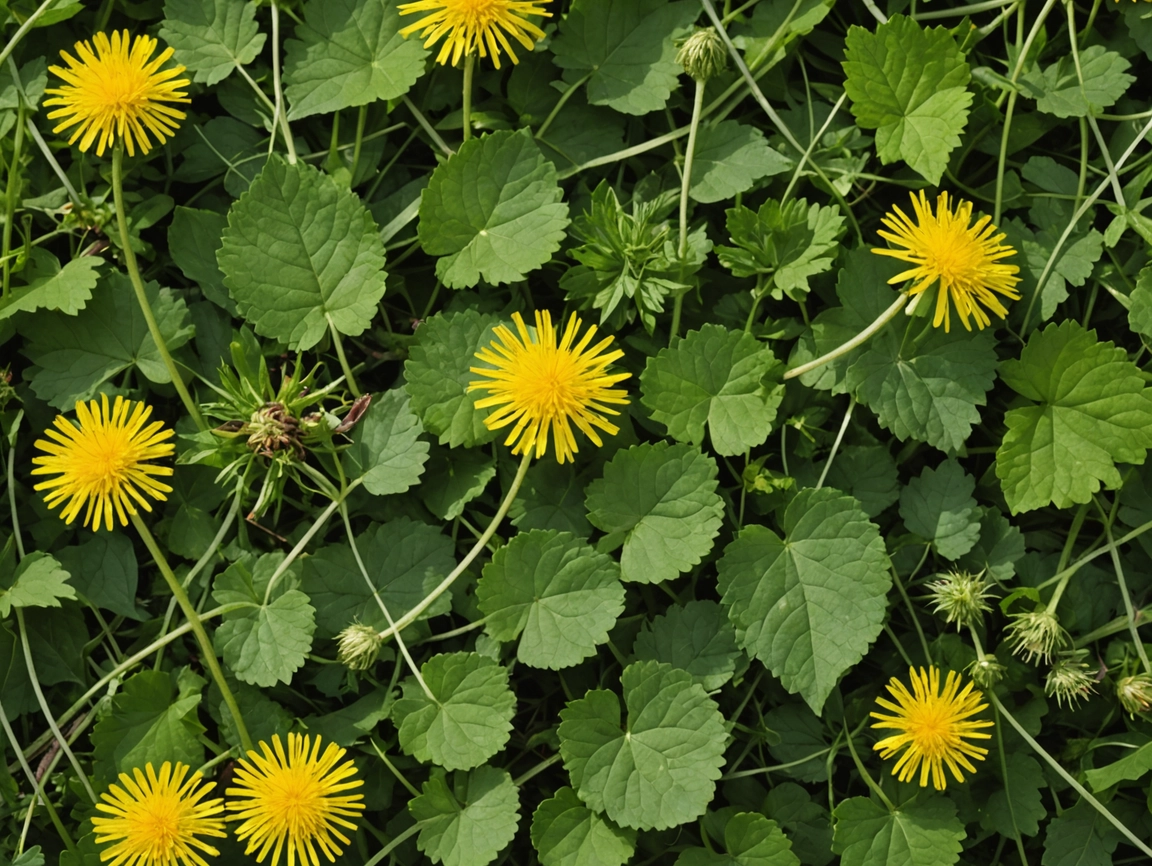
Among the most valuable and accessible wild foods are leafy greens, many of which are more nutritious than cultivated vegetables and grow abundantly, often as the very weeds people pull from their yards. Common wild greens across North America tend to be rich in vitamins and minerals, offering dense nutrition for those who recognize them, and many are widespread and, once safely identified, relatively easy to gather. Wild greens can add significant vitamins, minerals, and variety to a diet, and in a survival context they provide micronutrients that stored survival foods often lack. Learning a few safely identified wild greens for your region is one of the most rewarding entry points into foraging, turning common overlooked plants into a genuine nutritional resource.
Nuts and seeds: calories and protein
For substantial calories and protein, wild nuts and seeds are among the most valuable foods the landscape provides. North America hosts a variety of nut-bearing trees whose harvest offers dense energy, healthy fats, and protein, the kind of substantial nutrition that matters most when calories count. Nuts are especially valuable because they provide the fats and calories that leafy greens do not, making them an important complement to other wild foods and a significant food source where they are abundant. Many require processing to eat, but the caloric reward makes wild nuts a cornerstone of serious wild-food nutrition, and gathering them in season provides food that can also be stored.
Berries and fruits: vitamins and energy
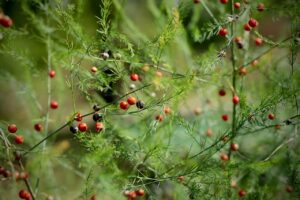
Wild berries and fruits offer vitamins, antioxidants, natural sugars for quick energy, and welcome flavor. Many regions of North America host wild berries and fruits that, once safely identified, provide valuable nutrition and are among the more pleasant wild foods to gather and eat. As with all foraging, certain identification is essential, since some berries are toxic, but the safely identified wild fruits of your region offer both nutrition and one of the genuine joys of foraging. Berries also lend themselves to preservation, extending their value beyond their season.
A rough seasonal calendar
Wild food availability follows a predictable seasonal rhythm in most of North America, and knowing the general pattern helps you plan what to learn first:
| Season | What is typically abundant |
|---|---|
| Spring | Tender young greens, some early flowers |
| Summer | Berries, more mature greens, some early fruit |
| Fall | Nuts, seeds, tree fruits, root vegetables |
| Winter | Sparse; some persistent roots and inner bark in true emergencies |
This calendar varies significantly by region and climate, so treat it as a general planning framework rather than a precise guide, and cross-reference against foraging resources specific to your actual area.
A supplement and a survival resource
Understanding common wild foods and their nutrition serves two purposes: it enriches everyday eating with free, nutrient-dense additions to your diet, and it provides a genuine survival resource, the knowledge that the landscape can feed you when other food is unavailable. In a survival situation, wild foods supplement other sources like fishing and, where appropriate, trapping, with gathered plants offering micronutrients and, in the case of nuts, real calories for little energy. Building this knowledge slowly and safely, mastering a few wild foods completely before adding more, turns the landscape into a nutritional resource you can draw on for a lifetime, and it deepens the self-reliance at the heart of homestead and survival skills.
Building a personal foraging journal
A simple habit accelerates safe learning more than almost anything else: keep a dated journal or set of photos for every plant you learn, including where you found it, what stage of growth it was in, and any distinguishing features you used to confirm identification. Revisiting the same journal across a full year lets you see how a single plant changes appearance from spring shoot to summer flower to fall seed, which is exactly the kind of seasonal knowledge that separates a confident forager from someone relying on a single photo in a guidebook.
Common questions
How many wild foods should a beginner try to learn in the first year?
Three to five is a realistic and genuinely useful target for a first year: a common green, a nut or seed if available regionally, and a berry, each learned to the point of total, confident certainty rather than a rough familiarity. Depth on a few species beats a shallow list of dozens, since shallow knowledge is exactly what leads to dangerous misidentification.
Are wild foods actually more nutritious than store-bought produce, or is that a myth?
For many wild greens specifically, the claim holds up reasonably well; wild plants are frequently denser in certain vitamins and minerals than their cultivated relatives, partly because commercial breeding has historically prioritized size, yield, and shelf life over nutrient density. This is not universal across every wild food category, but it is a genuine, documented pattern for many common wild greens.
Is it legal to forage wild food anywhere I find it?
No, and this varies significantly by location. Foraging rules differ across public lands, state parks, and especially private property, and some protected species or areas prohibit any harvesting at all. Check local and land-specific regulations before gathering, since legal risk is a real, practical consideration alongside the safety one.
North American wild food, condensed
- Certain identification always comes before any consideration of nutrition.
- Wild greens offer dense vitamins and minerals, often from common overlooked plants.
- Wild nuts and seeds provide the calories, fats, and protein that greens lack.
- Wild berries and fruits offer vitamins, quick energy, and flavor, once safely identified.
- Availability follows a seasonal rhythm: greens in spring, berries in summer, nuts in fall.
- Wild food both enriches everyday eating and serves as a genuine survival resource.
North America’s wild foods represent a genuine abundance of nutrition for those who take the time to learn them safely, from the mineral-rich greens underfoot to the calorie-dense nuts overhead and the vitamin-packed berries in the hedgerows. Understood within the absolute framework of certain identification, this knowledge enriches your diet with free, nourishing food and provides a real survival resource that the landscape itself supplies. Learn your region’s common wild foods one at a time, master each completely, and you gain access to a natural pantry that has nourished people on this land for thousands of years, and that still offers its abundance freely to those who know how to read it.