Of all the ways to preserve food, fermentation may be the most magical and the most underrated. With nothing but salt, water, vegetables, and time, no electricity, no special equipment, no canning heat, you can transform fresh produce into food that keeps for months and is more nutritious than when it started. Humans have fermented food for thousands of years, and it remains one of the most valuable, accessible, and genuinely delicious preservation methods for the self-reliant kitchen. This guide introduces fermentation and how to do it safely.
How fermentation preserves food
Fermentation works through beneficial bacteria, primarily lactic acid bacteria that live naturally on vegetables. When you submerge vegetables in a salty brine and keep out oxygen, these good bacteria thrive while harmful ones cannot, and as they consume the natural sugars they produce lactic acid. That acid is what both preserves the food, creating an environment where spoilage organisms cannot survive, and gives fermented foods their characteristic tangy flavor. This is called lacto-fermentation, and it is the same process behind sauerkraut, kimchi, traditional pickles, and many other foods. The beauty of it is that the preservation happens through living biology, requiring no heat, no canning, and no power, only the right conditions for the good bacteria to do their work.
Salt and submersion are the whole secret to safety
Fermentation is remarkably safe when you follow two simple rules, and understanding why builds confidence. First, use the right amount of salt. Salt at the correct concentration favors the beneficial lactic acid bacteria while suppressing harmful ones, which is why following a tested salt ratio matters, too little salt and unwanted organisms can grow, too much and even the good bacteria struggle. Second, keep the vegetables fully submerged under the brine, away from oxygen. The good bacteria work without air, while many spoilage organisms and molds need oxygen, so keeping everything below the surface of the brine is what keeps your ferment safe and healthy. Any vegetable poking above the brine can grow mold, so weight the vegetables down to hold them under. Follow these two rules, proper salt and full submersion, and fermentation is a safe, forgiving process. Trust your senses too: a healthy ferment smells pleasantly sour, and while a little surface film can be normal and manageable, anything that smells genuinely rotten or shows fuzzy colored mold throughout should be discarded. With experience you quickly learn what a good ferment looks and smells like.
Starting with sauerkraut, the perfect first ferment
The ideal way to learn fermentation is with sauerkraut, because it is simple, forgiving, and needs only cabbage and salt. The basic process shows the whole method in miniature: shred cabbage, mix it thoroughly with the right proportion of salt, typically about 2 percent of the cabbage’s weight, and pack it into a jar or crock. The salt draws water out of the cabbage, creating its own brine, and you press the cabbage down so it is submerged under that brine. Then you simply wait, keeping it at room temperature and the cabbage submerged, while the bacteria work over one to four weeks depending on temperature and how tangy you like it. The result is tangy, crunchy, probiotic-rich sauerkraut that keeps for months. Once you have made sauerkraut, you understand the principle behind nearly all vegetable fermentation and can branch into pickles, kimchi, fermented vegetables of all kinds, and beyond.
A simple fermentation timeline
| Stage | What is happening | What to check |
|---|---|---|
| Days 1-3 | Brine forms, initial bacterial activity begins | Vegetables should be fully submerged; light bubbling is normal |
| Days 3-10 | Active fermentation, most flavor development | Taste periodically; sourness builds day by day |
| Days 10-30+ | Slower fermentation, deeper flavor | Move to cold storage once it tastes right to you |
Beyond sauerkraut: what else ferments well
Once the basic method clicks, a wide range of vegetables respond well to the same salt-and-submersion approach: whole or sliced cucumbers for traditional pickles, carrots, radishes, green beans, and cabbage-based kimchi with the addition of chili and other seasonings. Firmer vegetables generally hold their texture better through a longer ferment, while softer ones like leafy greens ferment faster and are best used within a shorter window. Experimenting with small batches, a single jar rather than a full crock, is the cheapest way to learn what you and your household actually enjoy before committing a large harvest to one approach.
Why fermentation belongs in every self-reliant kitchen
Fermentation offers a combination of benefits that few preservation methods match. It requires no electricity, making it invaluable for off-grid living and grid-down resilience, and no special equipment beyond jars and salt. It actually increases the nutritional value of food, creating vitamins and beneficial probiotics that support gut health. It preserves food for months and transforms flavors into something delicious. And it is inexpensive and accessible to anyone. This makes fermentation a natural companion to the other preservation methods, canning, dehydrating, and cold storage, that together let a homestead preserve its harvest and eat well year-round, turning a summer garden’s abundance into food for the seasons ahead.
Troubleshooting a ferment that seems off
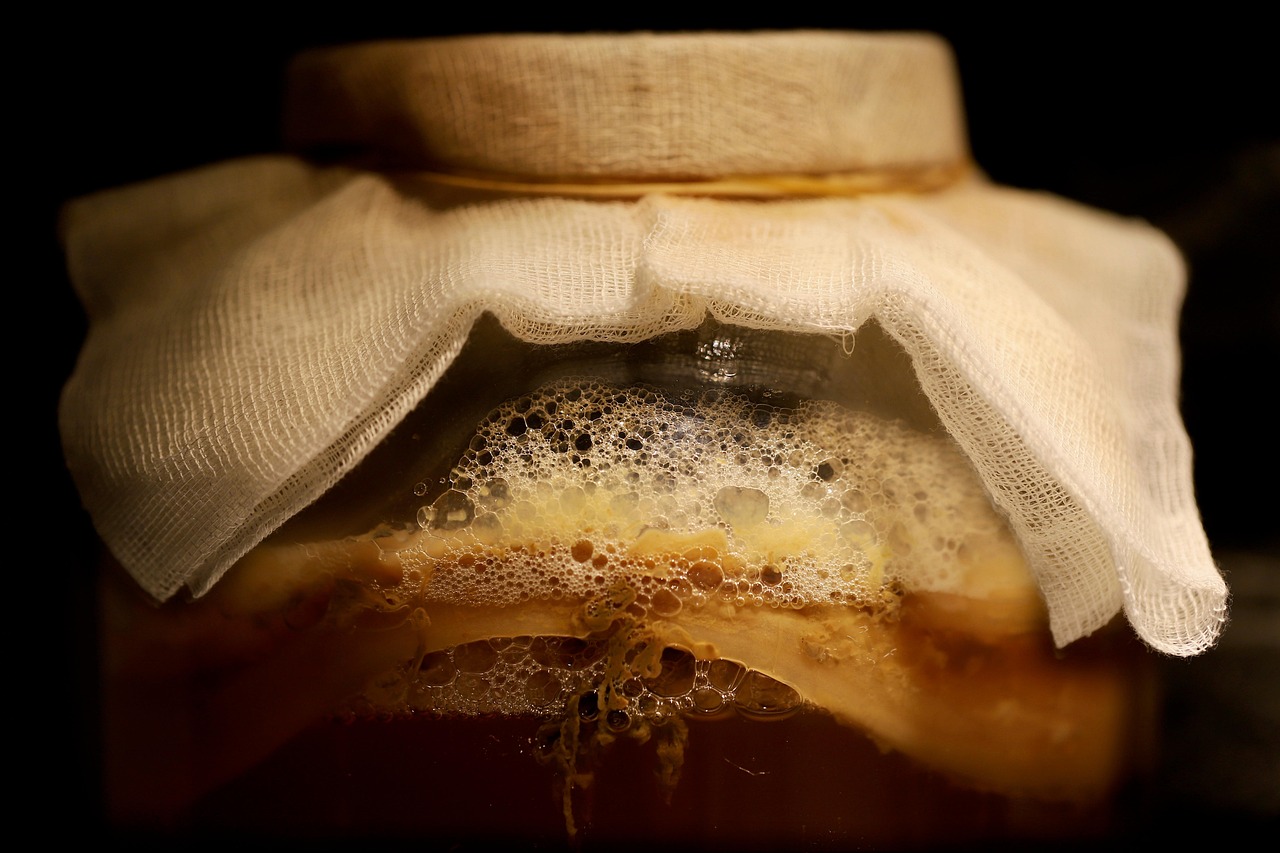
New fermenters often worry unnecessarily about normal signs of activity. Bubbling and a cloudy brine are healthy signs of active fermentation, not spoilage. A thin white film on the surface, sometimes called kahm yeast, is usually harmless and can be skimmed off, though it is worth keeping vegetables well submerged to minimize it. The genuine warning signs are fuzzy mold in colors other than white, typically green, black, pink, or orange, or a smell that is truly putrid rather than pleasantly sour and tangy. When in doubt, trust a bad smell over a slightly unusual appearance, and when a ferment is genuinely spoiled, discard the whole batch rather than trying to salvage part of it.
Common questions
Do I need special equipment like an airlock lid to ferment safely?
No. A basic mason jar with the lid loosened slightly to release gas, or “burped” once a day, works fine for beginners. Airlock lids and fermentation weights are conveniences that make the process a bit more hands-off, not requirements for safety.
What temperature should a ferment sit at?
Room temperature, roughly 60 to 75 degrees Fahrenheit, works well for most vegetable ferments. Warmer temperatures speed fermentation but can produce softer, less crisp results, while cooler temperatures slow it down and often produce a more complex flavor over a longer time. Avoid direct sunlight and very warm spots like near a stove.
How long does finished, fully fermented food actually keep?
Once fermentation has reached the flavor you want, moving the jar to the refrigerator or a cold cellar slows the process dramatically and finished ferments commonly keep for many months, often six months to a year, while continuing to slowly develop flavor. The acidity that makes the food safe during active fermentation continues protecting it in cold storage.
Fermentation, condensed
- Beneficial bacteria produce lactic acid that preserves food, with no heat or power.
- Safety comes down to the right salt ratio and keeping vegetables fully submerged.
- A healthy ferment smells pleasantly sour; trust your senses.
- Start with sauerkraut: just cabbage and salt teaches the whole method.
- Fermentation needs no electricity, boosts nutrition, and keeps food for months once refrigerated.
Fermentation is preservation at its most elemental and empowering: with a handful of salt and a little patience, you turn perishable vegetables into food that keeps for months, nourishes you more than the fresh original, and tastes wonderful, all without a single watt of power. Learn the simple rules of salt and submersion, start with a jar of sauerkraut, and you unlock one of humanity’s oldest and most valuable food skills. In a self-reliant kitchen, fermentation is a quiet marvel, transforming the garden’s abundance into lasting, living food with nothing but salt and time.