Two of the most transformative upgrades a food grower can make are raised beds and greenhouses, and they share a common purpose: taking more control of your growing conditions to grow more food, more reliably, over a longer season. Raised beds give you command over your soil and make gardening more productive and accessible, while greenhouses and season extension let you defy your climate’s calendar, starting earlier, finishing later, and even growing through winter. Together they can dramatically increase what a homestead produces. This guide covers how to use both to grow more, longer.
Why raised beds outperform
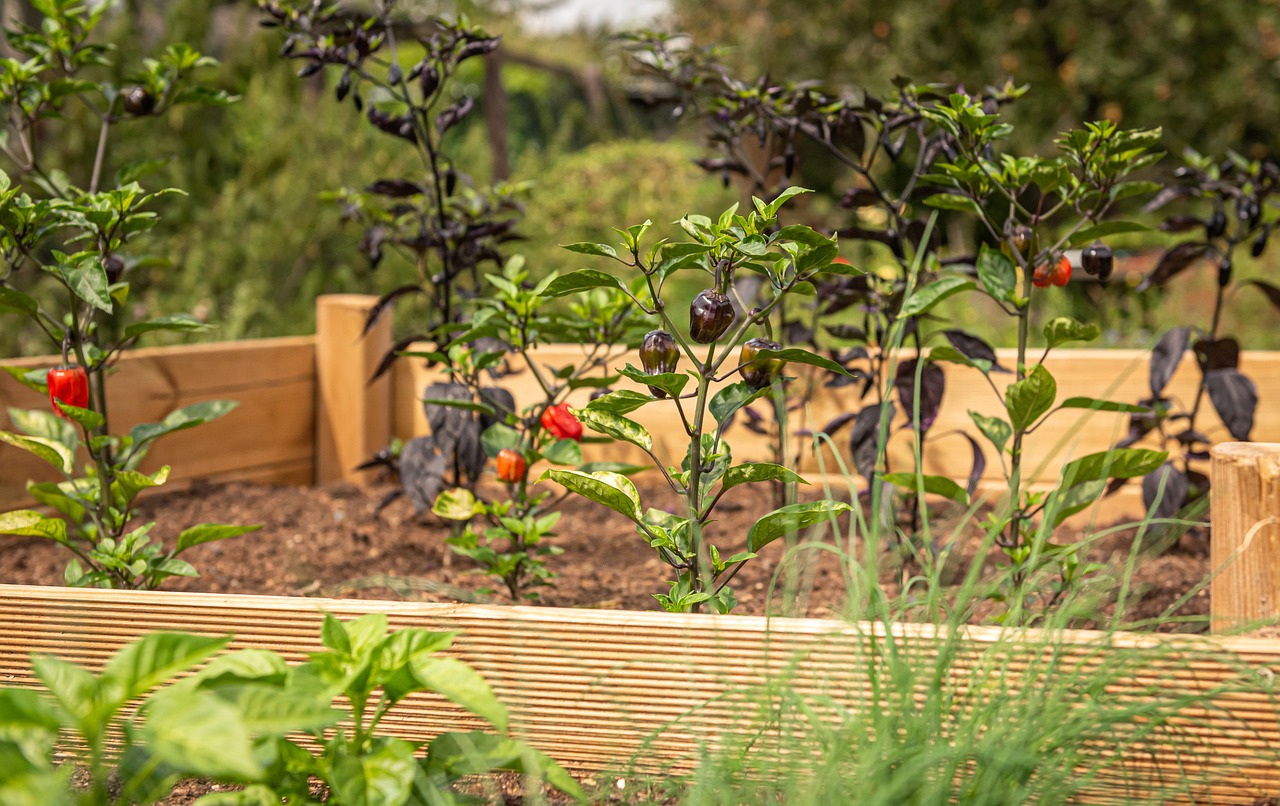
Raised beds, simply garden beds built up above the ground and usually framed, offer a remarkable list of advantages that explain their popularity:
- You control the soil. Rather than fighting poor native ground, you fill raised beds with excellent soil, giving your plants an ideal medium from the start, which is a huge head start built on the principles of healthy soil.
- Better drainage and earlier warming. Raised soil drains well and warms faster in spring, letting you plant sooner.
- Higher yields in less space. The rich soil and intensive planting of raised beds produce more food per square foot than traditional rows.
- Less weeding and easier access. Defined beds have fewer weeds, and their height is easier on your back and knees, making gardening accessible to more people.
- Fewer pests and better organization. Beds are easier to protect and manage.
Building and filling beds well
Raised beds are straightforward to build from many materials, and the keys are sensible dimensions and good filling. Keep beds narrow enough to reach the center from either side without stepping in, since compacting the soil defeats the purpose, and make paths between them comfortable. Fill them with a rich mix of quality soil and compost, and top with mulch to protect the soil, retain moisture, and suppress weeds. Because the soil is contained and never walked on, it stays loose, living, and productive, and you can build its fertility year after year with compost and cover.
What to plant once the beds are built


Affiliate note: buy through these links and ThisTracks may earn a small commission at no extra cost to you. We only list plants that are in stock and that we would grow ourselves.
No room for beds? Grow vertical instead

Affiliate note: buy through this link and ThisTracks may earn a small commission at no extra cost to you. We only list gear that is in stock and that we would carry ourselves.
Season extension is where the real magic happens
The single biggest limitation on how much food you can grow is your season length, the window between the last spring frost and the first fall frost, and season extension techniques let you beat it at both ends and sometimes straight through winter. This is often more valuable than any other growing upgrade, because it multiplies your harvests. Simple, inexpensive tools extend the season dramatically: row covers and cold frames trap warmth to protect plants from frost and let you start weeks earlier and grow weeks later; low tunnels and hoop houses do the same on a larger scale; and cold-hardy crops planted under protection can be harvested through much of winter in many climates. A greenhouse takes this furthest, creating a controlled environment for year-round growing, starting seedlings, and protecting tender plants. The insight that changes everything is that you are not stuck with your climate’s default calendar; with a few tools to trap heat and block frost, you can stretch your growing season by months, turning a single summer harvest into spring, summer, fall, and even winter production. For a homestead aiming at self-reliance, this extended harvest is transformative.
Greenhouses: a controlled growing environment
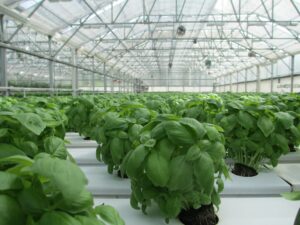
A greenhouse is the ultimate season-extension tool, an enclosed structure that captures solar warmth to create a growing environment you control. It lets you start seedlings early for transplanting, protect tender and warm-season plants, and grow through cold months that would otherwise halt production entirely. Greenhouses range from small, simple structures to elaborate ones, and even a modest greenhouse or a hoop house significantly expands what and when you can grow. Managing a greenhouse means attending to temperature, ventilation to prevent overheating and disease, and watering, but the reward is a growing space that shrugs off the outside weather.
More food, more reliably, on any homestead
Raised beds and season extension together let a homestead grow substantially more food with more reliability, which is the heart of food self-reliance. The productive, controlled soil of raised beds combined with the extended calendar of season-extension tools means more harvests, less waste to weather, and food coming out of your garden across far more of the year. Paired with choosing the right crops, saving your seeds, and preserving your surplus, they form the backbone of a garden that genuinely feeds a family, the goal of any homestead.
Raised beds and greenhouses, condensed
- Raised beds give you control of the soil, better drainage, higher yields, and easier access.
- Build beds narrow enough to reach the center, and fill with rich soil and compost.
- Season extension beats your frost dates at both ends and multiplies harvests.
- Row covers, cold frames, and tunnels are cheap and dramatically extend the season.
- A greenhouse creates a controlled environment for starting, protecting, and year-round growing.
Raised beds and greenhouses represent a leap in what a home grower can achieve, trading the limitations of poor soil and a short season for control, productivity, and a harvest that stretches across far more of the year. Start with a few well-built, richly filled raised beds, add simple season-extension tools to beat your frost dates, and grow toward a greenhouse if your ambitions and space allow. Grow more, longer, and more reliably, and your garden moves from a summer hobby toward a genuine, year-round source of food for your family.