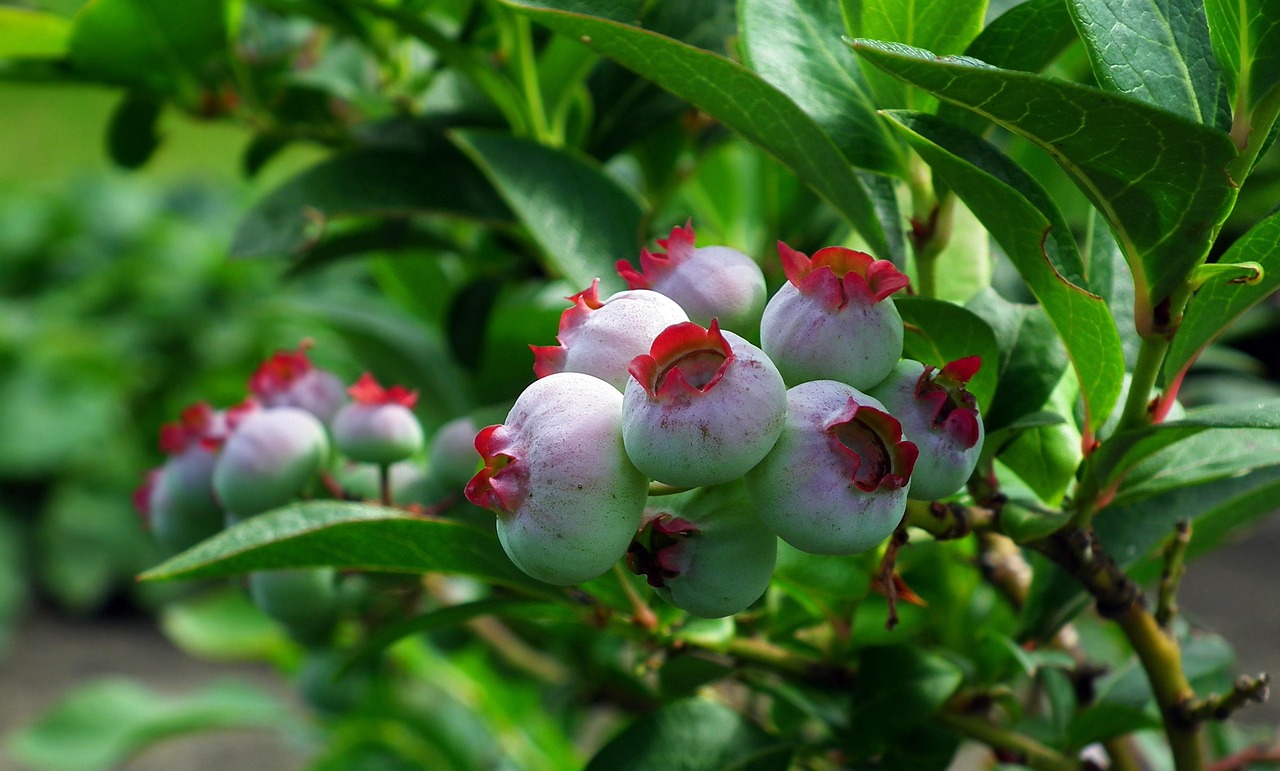
If you want the single best return on a small amount of yard space and a one-time purchase, berry bushes are hard to beat. A blueberry bush, a blackberry cane, a fig tree: plant any of these once and they hand you pounds of fruit every summer for fifteen, twenty, thirty years, with no replanting and very little ongoing cost. That is a different category of self-reliance than an annual vegetable garden, which is valuable but asks you to start over every spring. This guide covers how to pick berry bushes and edible shrubs that will actually thrive in your growing zone, and names the specific plants we would put in the ground for real food security.
Why berries are a food security plant, not just a garden plant
Perennial food crops sit in a different risk category than annuals. A bad spring, a busy season, an injury that keeps you out of the garden: any of these can wipe out a year of annual vegetables, but a mature berry bush or fig tree keeps producing regardless, because the hard work of establishment already happened in a previous year. Once established, most of the plants in this guide need only a yearly prune and the occasional feeding to keep producing. For a household serious about food security, a hedge of blueberries or a row of blackberries along a fence line is quietly one of the highest-value, lowest-maintenance food sources you can build.
How to choose: what actually determines success
USDA zone compatibility comes first. Every plant in this guide has a rated hardiness range, and it is the first thing to check, before flavor or size. Rabbiteye blueberries, for example, are bred for warmer zones and will underperform or fail outright in a harsh northern winter, while a fig like Chicago Hardy is bred to survive cold that would kill most other fig varieties. Match the plant to your actual zone, not the zone you wish you gardened in.
Cross-pollination changes your yield, sometimes dramatically. Many blueberry varieties, rabbiteye types especially, produce a much larger crop when planted alongside a second, compatible variety instead of alone. This is not a minor detail: a single blueberry bush may fruit lightly on its own, while the same bush paired with a good pollination partner can double its output. Plan for pairs, not singles, when a variety calls for it.
Thornless options exist and are worth choosing. Blackberries have a reputation for tearing up anyone who picks them, but thornless cultivars exist, produce just as heavily, and make harvest (and pruning) dramatically less painful. There is very little reason to plant a thorny variety anymore unless you specifically want the natural barrier a thorny hedge provides.
Everbearing versus single-flush changes your harvest window. Most fruiting shrubs produce one concentrated harvest window per year. Everbearing varieties spread that harvest out over a much longer stretch of the growing season, which means a steadier trickle of fresh fruit instead of one intense week of picking and preserving. For a household that wants fresh fruit on hand for months rather than a single canning weekend, everbearing varieties are worth seeking out.
Space and mature size determine how much food you can grow. Blueberry and fig bushes can reach six to fifteen feet at maturity depending on variety, while blackberries stay more compact. Plan your planting bed around the mature size, not the size of the plant in its pot, so you are not fighting overcrowding a few years in.
Five perennial food plants worth the ground they take up


Affiliate note: buy through these links and ThisTracks may earn a small commission at no extra cost to you. We only list gear that is in stock and that we would carry ourselves.
The blueberry pairing that doubles your harvest
Rabbiteye blueberries, the kind most suited to warmer zones, are largely self-unfruitful, meaning a single bush produces a light crop at best. Plant two compatible varieties together, like Tifblue and Powder Blue above, and both bushes cross-pollinate and set a noticeably heavier harvest than either would alone. This is one of the most common mistakes in a first food-security planting: buying one blueberry bush, waiting for a big harvest, and getting disappointed by a handful of berries. Buy the pair from the start and you avoid that entirely. Both varieties are rated for USDA zones 7 through 9, so confirm your zone falls in that range before planting rabbiteye types specifically; growers further north should look for northern highbush varieties instead.
Thornless blackberries: full yield, none of the fight
Blackberries have a reputation problem. Most people picture the wild, thorny canes that shred forearms during harvest, and that reputation keeps a lot of otherwise interested growers away from an extremely productive plant. Thornless cultivars like Ouachita solve that entirely: same heavy yield of sweet, firm berries, same upright, semi-erect growth habit that is easy to trellis, with none of the injury risk during picking or pruning. Rated for zones 6 through 9, Ouachita is a strong pick for a fence-line planting where you want a productive hedge that also happens to be safe for kids to help harvest.
Figs and mulberries: the fast, forgiving, high-output category
If you want fruit sooner rather than later, figs and mulberries are the plants to start with. Brown Turkey fig often produces two crops in a single year once established, tolerates poor soil better than almost anything else in this guide, and asks for very little beyond a sunny spot and occasional pruning. The Dwarf Everbearing Mulberry takes that idea further: instead of one concentrated harvest window, it fruits across most of the summer, which means a steady trickle of fresh berries for months rather than one intense preserving weekend. Both are compact enough for a small yard and both reward neglect better than almost any other food-producing plant you can buy.
Building a berry hedge that also does double duty
A row of blueberries, blackberries, or figs along a property line does more than feed you. It is a privacy screen, a windbreak in the making, and, once established, a pollinator draw during bloom that benefits everything else growing nearby, including vegetable beds and fruit trees. If you are also planting low-care landscape roses or fruit trees elsewhere on the property, put the berry hedge where it extends that pollinator corridor rather than isolating it, and you get more value out of every plant in the ground.
Common questions
Do I really need two blueberry bushes?
For rabbiteye varieties, yes, practically speaking. They are largely self-unfruitful, so a single bush produces a light crop while a compatible pair cross-pollinates and yields far more. Northern highbush varieties are more self-fruitful, but even those generally do better with a second variety nearby. Plan for at least two bushes of compatible types.
How long until a berry bush actually produces food?
Blueberries and blackberries typically give a light harvest within one to two years and reach full production around year three or four. Figs are often faster, sometimes fruiting the first year after planting. All of them keep producing for well over a decade once mature, which is the entire point of planting perennial food.
What is the lowest-maintenance option on this list?
Figs, generally. They tolerate poor soil, need minimal fertilizing, and mostly just need an annual prune to control size. Chicago Hardy and Brown Turkey are both known for rewarding neglect rather than punishing it, which makes either a strong first plant if you are new to growing your own fruit.
Berry bushes for food security, condensed
Match every plant to your USDA zone before you buy, plant blueberries in compatible pairs for a real harvest, choose thornless blackberry varieties to make picking painless, and lean on figs and mulberries when you want fast, forgiving results. A modest hedge of these plants, once established, becomes a self-sustaining food source that keeps producing whether or not you had time to tend a garden that year, which is exactly the kind of resilience a food security plan should be built around.