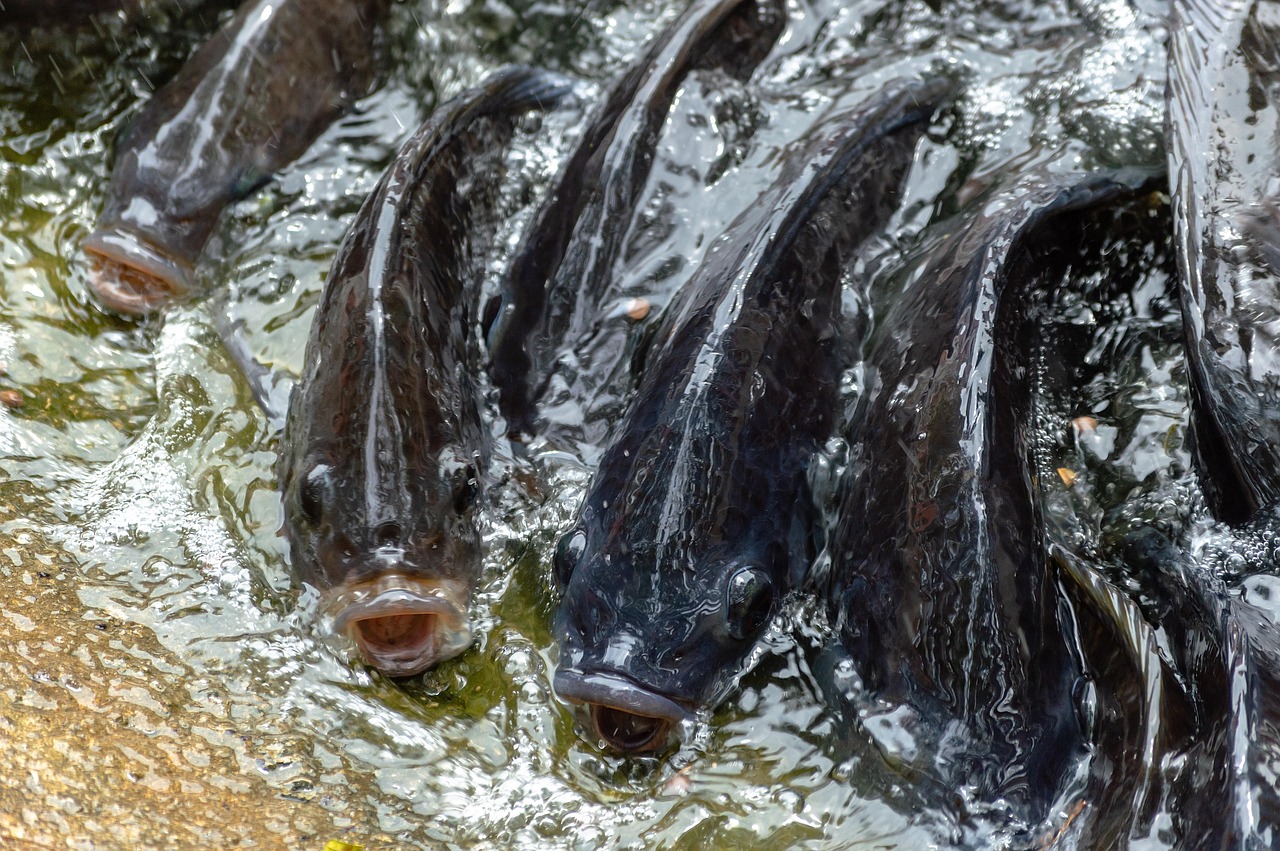
Raising your own fish for food may sound like an ambitious leap, but for the homesteader looking to produce protein, few options are as approachable as tilapia. Hardy, fast-growing, and remarkably forgiving of the mistakes beginners inevitably make, tilapia has become the go-to fish for small-scale aquaculture, letting a homestead produce fresh, healthy protein in a tank or pond. Understanding why tilapia suits beginners and how to raise them gets you started on one of the more rewarding and productive homestead ventures. This guide covers the basics of raising tilapia.
Why tilapia is the beginner’s fish
Tilapia has earned its popularity in small-scale fish farming for a combination of qualities that make it forgiving and productive. It is exceptionally hardy, tolerating a wider range of water conditions than many fish and surviving the imperfect water quality a beginner is likely to have while learning, which dramatically lowers the stakes of early mistakes. It grows fast, reaching harvest size relatively quickly so you see results without waiting years. It is adaptable, raised successfully in tanks, ponds, and aquaponics systems, and it accepts a range of feeds. And it produces mild, healthy, popular fish that most families enjoy eating. This combination of hardiness, speed, adaptability, and palatability is exactly what a beginner needs, forgiving enough to learn on and productive enough to reward the effort, which is why tilapia is so widely recommended as the starting fish for homestead aquaculture.
The basics of a tilapia setup
Raising tilapia requires providing the fish with suitable water, food, and conditions in a tank or pond. The essentials are:
- A container of water, whether a tank, a pond, or part of an aquaponics system, sized to how many fish you want to raise, since crowding stresses fish and fouls water.
- Good water quality, the foundation of healthy fish, maintained through filtration, aeration, and management, as covered in maintaining fish-pond water quality.
- Appropriate temperature. Tilapia are warm-water fish, so they need warm water to thrive and cannot survive cold, which in cooler climates means indoor tanks, greenhouses, or seasonal raising.
- Proper feed, a suitable fish feed that provides the nutrition they need to grow well.
Get these fundamentals right, suitable warm water kept clean and oxygenated, appropriate stocking, and good feed, and tilapia largely take care of the rest with their hardy, fast-growing nature.
Warm water and oxygen are non-negotiable
While tilapia are famously forgiving, two conditions are genuinely non-negotiable and account for most beginner failures: adequate warmth and adequate oxygen. Tilapia are tropical, warm-water fish, and while they tolerate a lot, they cannot survive cold water, so if your climate gets cold you must keep their water warm, through indoor systems, greenhouses, heating, or by raising them only in the warm season, because cold water will kill them regardless of how hardy they otherwise are. Just as critical is dissolved oxygen: fish breathe oxygen dissolved in their water, and if the water’s oxygen drops too low, whether from overcrowding, warm water holding less oxygen, or a failed aerator, the fish suffocate, often quickly and in large numbers. This makes aeration, keeping the water oxygenated through pumps, aerators, or water movement, essential, and it makes a power outage that stops the aeration a real danger in a stocked system, connecting to the value of backup power. So while you can be forgiving on many things with tilapia, you cannot be forgiving on warmth and oxygen: keep the water warm enough for these tropical fish, keep it well-oxygenated with reliable aeration, and have a plan for maintaining both if power fails, because these two conditions are what actually keep the fish alive. Beginners who lose tilapia almost always lose them to cold or to oxygen depletion, so guarding these two non-negotiables from the start is the key to success. Get the warmth and oxygen right, and tilapia’s legendary hardiness handles nearly everything else.
Growing and harvesting
Once your setup is running and stocked with young tilapia, the work is largely consistent care: feeding the fish appropriately, maintaining good water quality, monitoring the fish for health, and letting them grow to harvest size, which tilapia reach relatively quickly. As they grow, watch that your stocking density and water quality stay in balance, since more and larger fish demand more oxygen and produce more waste. When the fish reach harvest size, you have fresh, healthy homegrown protein, processed much like any fish, connecting to the food skills of a self-reliant homestead. The relatively fast growth of tilapia means the reward comes within a reasonable time, making the venture satisfying as well as productive.
A productive protein source for the homestead
Raising tilapia gives a homestead a genuine source of homegrown protein that complements its other food production, from chickens to the garden, adding fish to the self-reliant table. It integrates especially well with aquaponics, where the tilapia’s waste feeds vegetables while the plants clean the fish’s water, producing both protein and produce from one system. As a hardy, forgiving, fast-growing fish, tilapia is the ideal entry into homestead aquaculture, letting beginners learn to raise fish with a species that tolerates their learning curve while rewarding them with real food.
Raising tilapia, condensed
- Tilapia is hardy, fast-growing, adaptable, and forgiving, the ideal beginner’s fish.
- Provide a suitably sized water container, good water quality, warmth, and proper feed.
- Warmth and oxygen are non-negotiable: warm water for these tropical fish, reliable aeration always.
- Guard against cold and oxygen depletion, the two causes of most beginner losses.
- Care means feeding, water management, and monitoring until the fish reach harvest size.
Tilapia opens the door to homestead aquaculture with a fish forgiving enough for beginners and productive enough to reward them, letting you raise fresh, healthy protein in a tank or pond. Provide warm, well-oxygenated, clean water, appropriate feed, and consistent care, guard vigilantly against the cold and oxygen depletion that cause most losses, and tilapia’s hardy, fast-growing nature does much of the rest. Add this productive fish to your homestead, especially paired with aquaponics, and you gain a genuine, renewable source of homegrown protein and a satisfying new dimension of self-reliance.