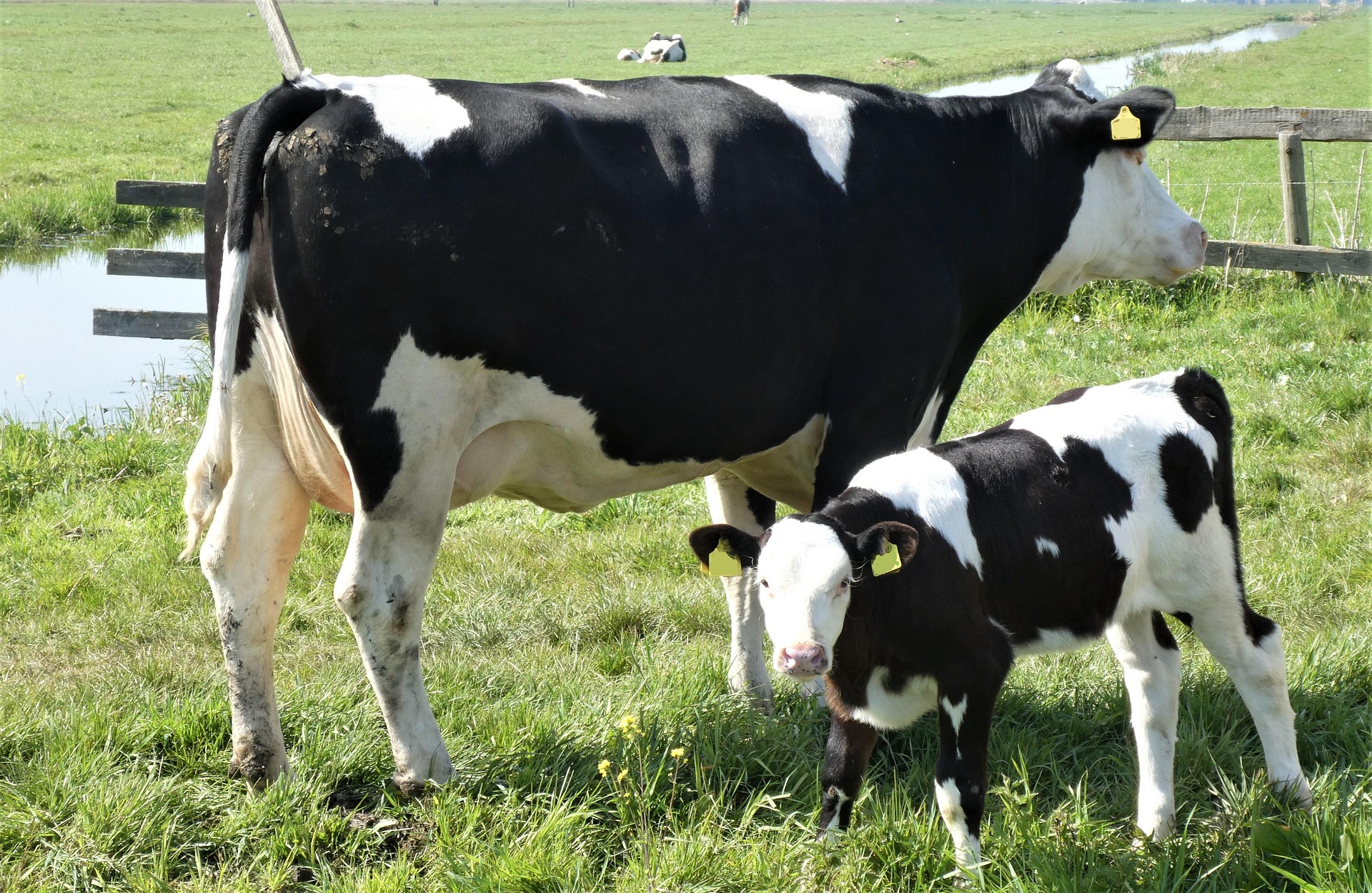
Fresh milk from your own animals is one of the most rewarding products a homestead can provide, and it opens the door to butter, cheese, yogurt, and more. But dairy animals ask something of you that most livestock do not: an unwavering daily commitment, because a milking animal must be milked on schedule, every day, without exception. Understanding that commitment, and the fundamentals of keeping dairy animals well, is essential before you bring one home. This guide covers the basics of dairy farming with cows, goats, and other livestock on a homestead scale.
Goats or a cow? Match the animal to your household
The first decision is which dairy animal suits you, and for most homesteaders it comes down to goats versus a cow. Dairy goats are often the ideal starting point for a small homestead: they are smaller and easier to handle, need less space and feed, cost less, and produce a quantity of milk well-suited to a family, and goat milk is naturally easy to digest. Their manageable size makes them forgiving for beginners. A dairy cow produces far more milk, enough for a large family or to share, and rich milk excellent for butter and cheese, but a cow is a much bigger commitment in space, feed, cost, and handling, and its abundant production can be more than a small household can use. For most people starting out, one or two dairy goats match a homestead’s scale and a family’s needs better than a cow, while a cow suits those with more space, more mouths, and more experience. Other dairy animals like sheep are also kept in some settings. Match the animal to your space, your family’s milk needs, and your experience.
Milking is a daily, unbreakable commitment
Before acquiring any dairy animal, you must understand and accept the defining reality of dairy: a milking animal has to be milked on a consistent schedule every single day, typically once or twice daily, and this commitment does not pause for weekends, holidays, illness, or travel. This is not like other livestock you can leave with food and water for a day; a dairy animal in milk must be milked, both to provide the milk and, critically, for the animal’s own health and comfort, since an un-milked animal becomes uncomfortable and can develop serious health problems like mastitis. This means that keeping dairy animals ties you to a daily routine with real inflexibility, and it means you must have reliable arrangements for the animal’s milking when you cannot be there, a trusted person who can milk in your absence, because you cannot simply skip it. Many people are drawn to the romance of fresh milk without fully reckoning with this daily tether, and then find the relentless schedule overwhelming. So go in clear-eyed: dairy is deeply rewarding, but it demands a consistent daily presence and commitment that shapes your life, and you should be certain you can meet that commitment, with backup arrangements in place, before you bring a dairy animal home. If your life cannot accommodate milking every day without fail, dairy animals may not be the right choice, and there is no shame in recognizing that. Understand the commitment fully, arrange for reliable coverage, and enter dairy farming knowing exactly what it asks, so that the reward of fresh milk is a joy rather than a trap. This daily commitment is the single most important thing to understand about dairy, more than any technique, because it is the reality that determines whether dairy farming fits your life.
Care, feeding, and clean milking
Dairy animals need good general care to stay healthy and productive: appropriate shelter, quality feed suited to a lactating animal’s higher needs, clean water, and attention to their health, since a healthy animal produces well and a neglected one does not. Milking itself must be done cleanly, because you are producing food, so cleanliness in milking, handling, and storing the milk is essential for safe, good-quality milk and for the animal’s udder health. Learn proper milking technique and hygiene, keep everything clean, and cool and store the milk promptly. The animals also need the routine care any livestock requires, and dairy animals in particular benefit from calm, consistent, gentle handling, since a relaxed animal milks more easily and willingly. Good daily care and clean milking practices are the foundation of a productive, healthy dairy animal.
Making the most of the milk
A dairy animal, especially a cow, can produce more milk than a family drinks, and turning that milk into other products both preserves it and expands its value. Fresh milk becomes butter, cheese, yogurt, and more, the rewarding homestead dairy crafts that make the most of your animal’s production and turn a perishable daily flow into varied, storable foods. Learning to make simple dairy products is a natural companion skill to keeping dairy animals, ensuring the milk is used well rather than wasted, and it is one of the genuine pleasures of dairy farming.
A rewarding commitment on the homestead
Dairy animals bring a homestead one of its most valuable and satisfying products, fresh milk and everything made from it, along with manure for the garden and the deep rewards of working closely with animals. They fit alongside other livestock like chickens in a productive homestead, as introduced in small-scale livestock raising. But dairy uniquely demands a daily, unbreakable milking commitment, so it rewards those who enter it prepared for that reality. Match the animal to your household, accept and arrange for the daily commitment, provide good care and clean milking, and make the most of the milk, and dairy farming becomes one of the richest dimensions of a self-reliant homestead.
Dairy farming, condensed
- Dairy goats suit most small homesteads; a cow produces far more but demands much more.
- Milking is a daily, unbreakable commitment; arrange reliable coverage before you start.
- Provide good shelter, quality feed for lactation, clean water, and attentive health care.
- Milk cleanly, since you are producing food; cool and store the milk promptly.
- Turn surplus milk into butter, cheese, and yogurt to preserve and expand its value.
Dairy farming offers a homestead the deep reward of fresh milk and all it becomes, but it asks in return a daily, unwavering commitment that shapes your life around the milking schedule. Choose the animal that fits your household, cows for abundance and goats for manageability, accept and arrange for that daily commitment with eyes open, provide excellent care and scrupulously clean milking, and make the most of the milk through home dairy. Approach it prepared for what it truly asks, and dairy farming rewards you with one of the most satisfying and productive relationships a self-reliant homestead can offer.