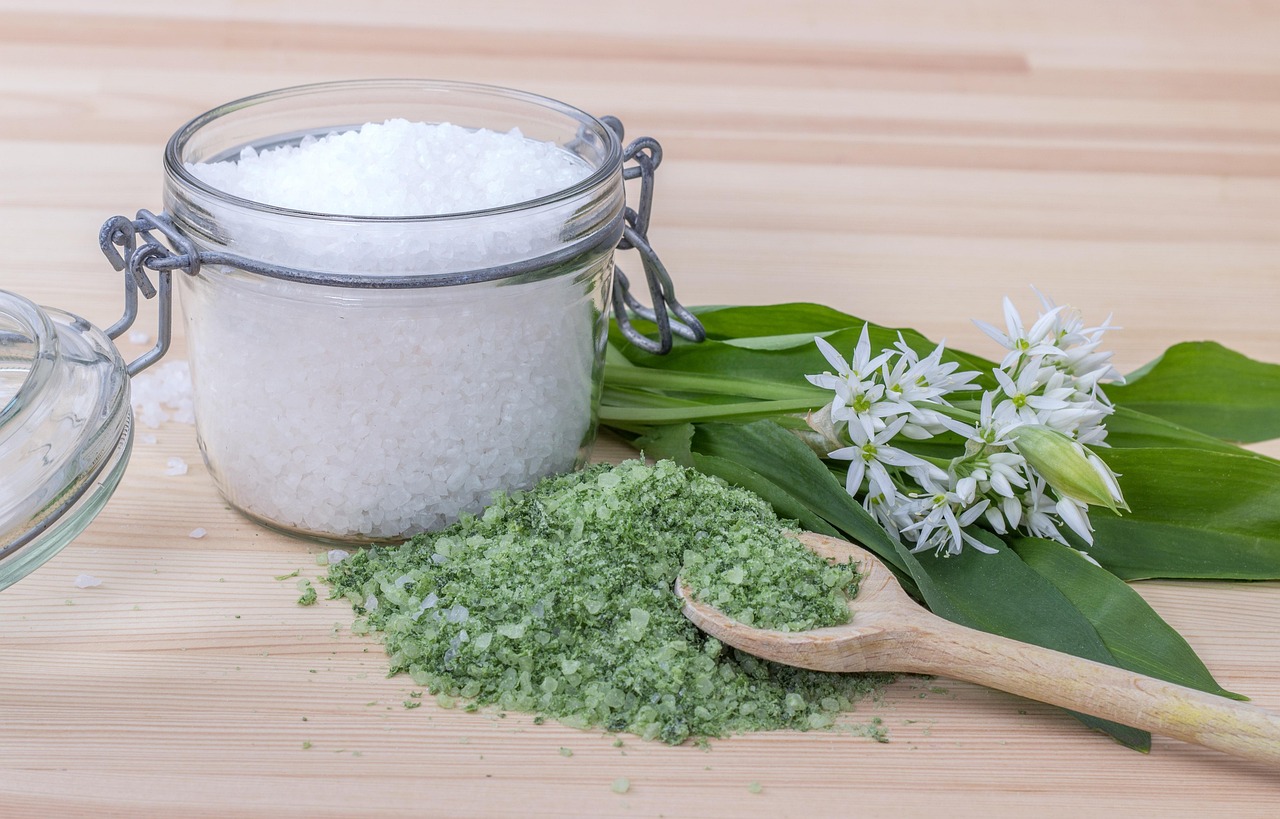
There is a particular satisfaction in opening a cupboard of neatly labeled jars, each holding an herb you grew, dried, and put by yourself. A home apothecary, a organized collection of dried culinary and medicinal herbs, is one of the most rewarding and genuinely useful things a homesteader can build. But the difference between a real apothecary and a shelf of faded, musty mystery jars comes down to a few unglamorous fundamentals: drying herbs properly, storing them against the things that destroy them, and keeping a system you will actually maintain. Here is how to do all three.
It starts with drying them right
Good storage begins before the jar, because an herb that was not fully dried will mold, and one dried harshly will have lost the oils that make it worth keeping. You have three easy methods:
- Air-drying is the classic and the gentlest. Tie small bundles and hang them somewhere warm, dry, dark, and well-ventilated, or lay leaves on a screen. Out of direct sun, which bleaches color and cooks off the volatile oils. It takes days to a couple of weeks.
- A dehydrator is faster and reliable: use a low setting, around 95 to 115 degrees, so you dry the herb without cooking it. This overlaps with the skill of dehydrating other foods.
- An oven on its lowest setting, door cracked, works in a pinch, but it runs hot and is the easiest way to scorch delicate leaves, so watch it closely.
However you dry them, the test is the same: an herb is ready to store only when it is crackling, crumble-dry, with stems that snap rather than bend. Any lingering softness means lingering moisture, and moisture in a sealed jar means mold. When in doubt, dry it longer.
The four enemies, and the containers that beat them
Dried herbs are destroyed by four things: air, light, heat, and moisture. Every good storage choice is really just a defense against those four. The gold standard is an airtight glass jar, a canning jar or an amber apothecary jar, which locks out air and moisture. Then keep those jars somewhere cool and dark: a cupboard or pantry, never the sunny windowsill or the shelf above the stove, however pretty that looks. If you use clear jars, the dark cupboard does the light-blocking for you; amber or cobalt glass adds another layer.
A few refinements go a long way. Fill jars fairly full to leave less trapped air. Avoid plastic for anything long-term, because it is not truly airtight and slowly absorbs the very oils you are trying to keep. And in a humid climate, a small food-safe desiccant packet in the jar is cheap insurance against the moisture that causes clumping and mold.
Store them whole, crush them later
This is the single trick that most extends an herb’s life, and almost nobody does it. Store herbs as whole as possible, whole leaves, whole seeds, unbroken roots, and only crush or grind them right when you are about to use them. The moment you crumble an herb you multiply its surface area, and surface area is where flavor and medicinal potency escape. A whole dried leaf can hold its character for a year or two; the same leaf ground to powder starts fading in months. Buy or keep whole, grind by the pinch. Your apothecary will be dramatically more potent for the same effort.
Label everything, because you will forget
Every dried herbalist learns this the hard way: dried oregano, dried mint, and dried nettle can look remarkably alike in a jar six months on, and a mystery jar is a useless jar. Label every container with the herb’s name, the date you dried it, and, if it matters to you, where it came from. A simple piece of tape and a marker is fine. The date is not fussiness; it is how you will know, a year from now, what is still good and what to refresh.
How long do dried herbs actually last?
Dried herbs do not spoil dangerously the way food does, but they quietly lose potency, and a flavorless or medicinally inert herb is not worth the shelf space. Rough guidelines, stored properly:
| Form | Keeps its potency for |
|---|---|
| Whole dried leaves (mint, oregano, basil) | 1 to 3 years |
| Ground or powdered herbs | 6 months to about a year |
| Whole seeds (fennel, coriander) | 2 to 3 years |
| Dried roots and barks | 2 to 3 years |
| Dried flowers (chamomile, calendula) | About a year |
The real test is your senses, not the calendar. Crush a little between your fingers: if it still smells strong and looks reasonably vivid, it is good; if the aroma is faint and the color has gone gray and dull, its oils are gone and it belongs in the compost, not your tea. Refresh culinary herbs yearly and you will notice the difference in the cooking.
Organize it like an apothecary, not a junk drawer
The system is what turns a collection into an apothecary you will actually use. A few ideas that work:
- Uniform jars in a dedicated cupboard or on a shelf make everything visible and pleasant to use, which means you will use it.
- A logical order: alphabetical is simplest, or group by purpose, culinary in one place, teas in another, medicinal in a third.
- An inventory list (a notebook or a note on your phone) of what you have and when you dried it saves you from growing a fourth jar of something you already have three of.
- Rotate first-in, first-out, using older stock before newer, the same discipline that governs a good pantry.
Building the apothecary pairs naturally with growing the herbs in the first place and with the wider self-reliant loop of saving your own seeds season to season.
A note on the medicinal side
If your apothecary includes medicinal herbs, a little extra care matters. Label them unmistakably, keep them well away from curious children and pets, and be certain of your identification, since a mislabeled or misidentified medicinal herb is exactly the kind of mistake worth avoiding. And keep expectations honest: a home apothecary is a wonderful complement to everyday wellness and minor complaints, not a substitute for medical care when something is serious. That grounded, careful approach is the same one behind our guide to herbal remedies and natural first aid.
Quick questions
Can I store dried herbs in the freezer? You can, and it further slows potency loss, but it is rarely necessary for properly dried herbs in airtight jars, which do fine in a dark cupboard. The freezer is more useful for preserving fresh herbs (frozen in oil or water) than for dried ones. If you do freeze, keep them airtight to prevent freezer moisture.
Are old dried herbs dangerous to use? Generally no, they simply lose strength rather than becoming harmful, so an old culinary herb mostly just tastes of nothing. The exception is any herb showing mold, dampness, or an off smell, which means moisture got in; throw those out without hesitation.
The home apothecary, condensed
- Dry herbs fully and gently (air, dehydrator on low, or a watched oven) until they crumble.
- Beat the four enemies, air, light, heat, moisture, with airtight glass jars in a cool, dark cupboard.
- Store herbs whole and crush them only when you use them; it dramatically extends potency.
- Label every jar with name and date, and keep a simple inventory.
- Judge freshness by smell and color, not the calendar, and rotate oldest first.
This is general educational information for storing herbs, not medical advice. Identify any medicinal herb with certainty, keep it clearly labeled and away from children, and rely on professional care for anything serious.
A home apothecary is one of those projects that rewards you every single day, in better cooking and calmer, more self-reliant living. And the whole thing rests on fundamentals anyone can master: dry your herbs properly, store them in airtight glass away from air, light, heat, and moisture, keep them whole until you need them, and label the jars so your future self is never guessing. Do that, and you will open that cupboard a year from now to herbs as fragrant and useful as the day you put them up.