Dental problems have a cruel way of striking at the worst possible time, and in a prolonged emergency or a remote location, professional dental care can be simply unavailable. A raging toothache or an abscess is not just miserable; it can become genuinely dangerous. Yet dental preparedness is almost universally ignored, even by people with elaborate medical kits. Knowing how to manage common dental emergencies temporarily, and knowing which ones are true medical dangers, is a real and neglected survival skill. This guide covers what to do when there is no dentist.
Prevention is the real preparedness
The best dental emergency is the one that never happens, and dental health is more controllable than most people realize. Before any technique for handling problems, the foundation is prevention: consistent brushing and flossing, addressing existing issues while care is available, and keeping up with checkups now. Someone heading into a long stretch without dental access should have any known problem, a cracked tooth, a failing filling, an impacted wisdom tooth, dealt with beforehand, because a small problem left alone becomes a painful emergency at the worst time. Prevention and pre-emptive care are the highest-value dental preparedness there is. If you have a bug-out plan measured in weeks, treat an overdue dental checkup as part of it.
Common dental emergencies and temporary care
When a problem strikes without a dentist available, temporary measures can control pain and prevent worsening until real care is reached. The table below is the quick version; the point of each is to buy time, not to fix the tooth permanently.
| Emergency | Temporary care | When it is dangerous |
|---|---|---|
| Toothache | Warm salt-water rinse, gentle floss to clear trapped food, pain relievers, a dab of clove oil | Severe pain with swelling or fever suggests infection |
| Lost filling or crown | Pharmacy temporary filling material; avoid chewing on that side | Rarely urgent, but exposed nerve can worsen fast |
| Chipped or broken tooth | Rinse, save the pieces, gauze for bleeding, cold compress, cover a sharp edge with dental wax | Deep break exposing the pink center needs prompt care |
| Knocked-out tooth | Handle by the crown, rinse gently, reinsert in the socket or keep in milk or saliva | Time-critical: best chance of saving it is within an hour |
A knocked-out permanent tooth is the one true race against the clock here. Never scrub it or touch the root, because the delicate fibers there are what let it reattach. If you cannot slip it back into the socket, milk is the best storage, saliva the next best, and plain water the worst option because it damages those root cells.
A dental abscess is a real medical emergency
Not all dental problems are merely painful; some are dangerous. A dental abscess is a serious infection at the root of a tooth or in the gum, and it must be taken seriously because the infection can spread. Warning signs include severe throbbing pain, swelling of the face or jaw, fever, and a foul taste. An untreated abscess can lead to a spreading infection that becomes life-threatening, particularly if swelling begins to affect breathing or swallowing, which is a true emergency requiring immediate care by any means available. In a situation with no dentist, an abscess is one of the strongest reasons to seek out whatever medical help exists, because this is where a dental problem crosses into a potentially fatal infection. Do not try to wait it out.
Managing the pain
Dental pain is some of the worst there is, and controlling it is both humane and practical, because a person in agony cannot think, sleep, or function. A few measures do most of the work:
- Salt-water rinse. Dissolve about half a teaspoon of salt in a cup of warm water and swish gently. It soothes irritated tissue and helps clear debris and bacteria.
- Over-the-counter pain relievers. For an adult who can safely take them, ibuprofen and acetaminophen taken together control dental pain markedly better than either one alone, which is why dentists often recommend the pairing. Follow the label doses and any medical restrictions you have.
- Clove oil. A traditional and genuinely effective numbing agent for a sore tooth. Use it sparingly on the tooth itself with a cotton swab; it is potent, and too much can irritate or burn the surrounding gum and tongue.
- Cold compress. Held against the cheek, it dulls pain and limits swelling, especially after a knock or break.
Build a small dental kit
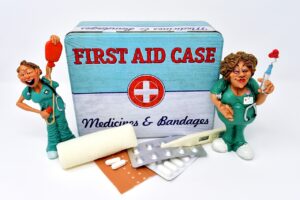
A dedicated dental first aid kit is tiny, cheap, and something almost no one has. Assembling one is a smart, easy piece of preparedness. Include temporary filling material, dental wax to cover sharp edges or protect the mouth from a broken tooth or braces, clove oil for pain, gauze, floss, pain relievers, and a small mirror. Keep it alongside your broader medical supplies. For a modest investment you gain the ability to manage the dental problems that would otherwise be pure, helpless suffering.
Know the limits and connect to the bigger picture
Everything here is about temporary management to buy time and control pain, not permanent dentistry, which requires a professional. The goal is to make a bad situation bearable and to keep a manageable problem from becoming a dangerous one, then reach real care when you can. Dental readiness fits within your overall medical preparedness, and the infection-awareness it demands overlaps with managing illness and infection when help is far away.
Quick questions
Can I pull my own bad tooth? Only as a genuine last resort, and rarely successfully. Teeth are anchored far more deeply than they look, extraction risks worse bleeding and infection, and a raging abscess is not the time to try. Focus on pain control and reaching help; leave extraction to someone trained if there is any alternative.
Will antibiotics from my kit fix an abscess? Antibiotics can slow a spreading infection and buy time, which is valuable, but they do not drain or cure the abscess. It still needs professional treatment. Treat any antibiotic as a bridge to care, not a substitute for it, and never self-prescribe casually.
Dental emergencies, condensed
- Prevention and pre-emptive care are the highest-value dental preparedness.
- Temporary care controls toothaches, lost fillings, and broken teeth until real help.
- A knocked-out tooth is time-critical: handle by the crown, keep it in milk or saliva.
- Pair ibuprofen and acetaminophen for pain if you safely can; add salt-water rinses and clove oil.
- A dental abscess is a dangerous infection; seek care urgently, do not wait it out.
- Assemble a small, cheap dental kit almost nobody thinks to have.
This is general information for preparation, not dental or medical advice. See a dental or medical professional whenever one is reachable, especially for any sign of spreading infection.
Dental emergencies are painful, common, and almost completely overlooked in preparedness planning, which is exactly why a little knowledge and a tiny kit go so far. Fix known problems while you can, assemble a simple dental kit, learn the temporary measures, and above all respect an abscess as the genuine medical danger it is. With that modest preparation, a toothache in a crisis becomes a manageable discomfort rather than a helpless ordeal, and you close one of the most miserable and neglected gaps in most people’s readiness.