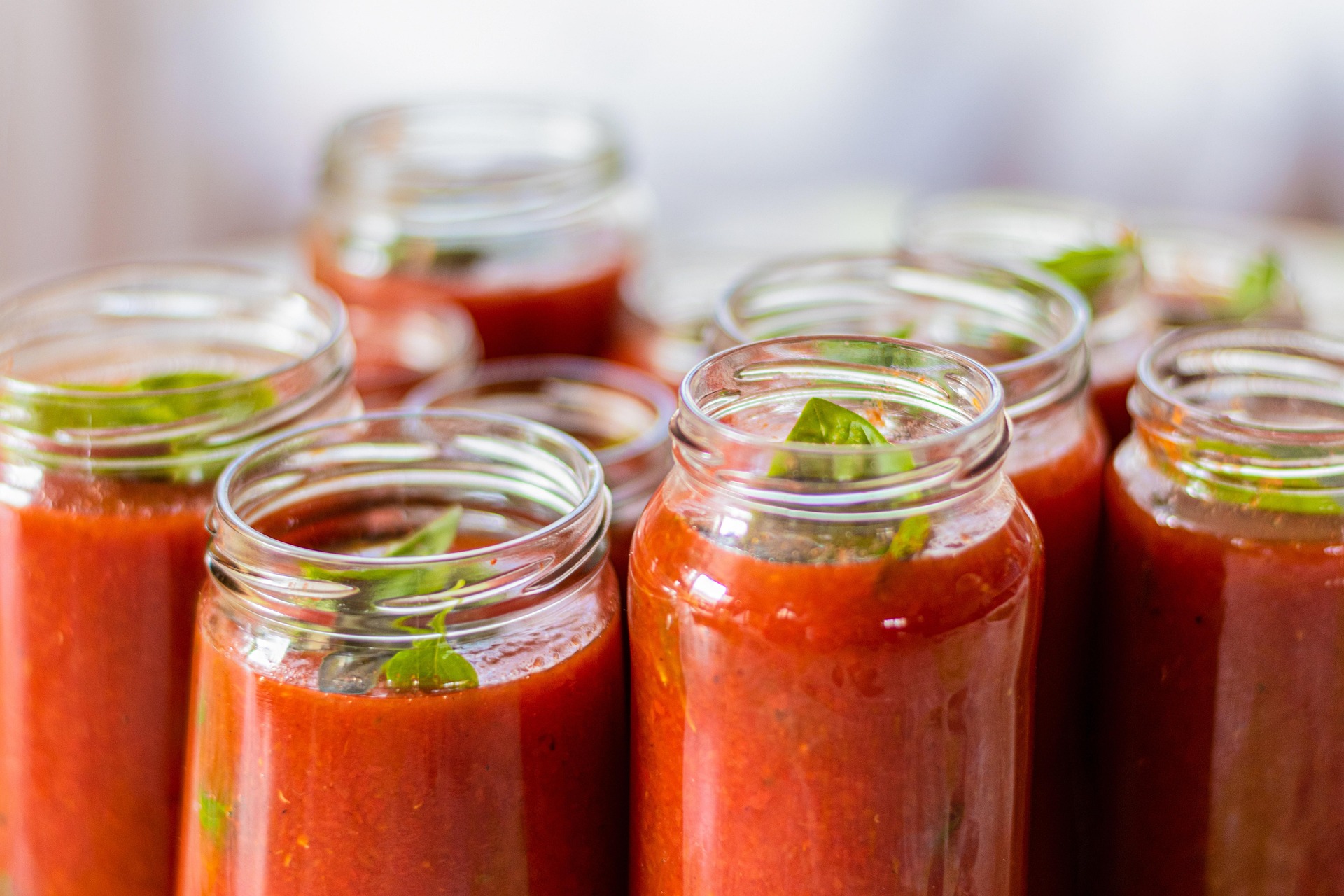
Canning is the preservation method that lets you capture a garden’s peak abundance in jars that keep for years on a shelf, no refrigeration or freezing required. Opening a jar of your own tomatoes or green beans in the depths of winter is one of the quiet joys of self-reliance. But canning is also the preservation method where safety matters most, because done incorrectly it can produce genuinely dangerous food. The good news is that the safety rules are clear and, when followed, canning is completely safe and immensely rewarding. This guide covers the essential techniques and, above all, how to can safely.
The one rule that matters most: water bath versus pressure canning
Before any technique, understand the single most important safety principle in all of canning, because getting it wrong can be dangerous. There are two canning methods, and which one you must use depends entirely on the acidity of the food. Water bath canning, which processes jars in boiling water, is safe only for high-acid foods: most fruits, jams, pickles, and properly acidified tomatoes. The acid, combined with the heat, prevents dangerous bacteria. Pressure canning, which reaches much higher temperatures in a special pressure canner, is required for all low-acid foods, which includes nearly all vegetables, as well as meats. This matters because low-acid foods can harbor the bacteria that cause botulism, a rare but potentially fatal illness, and only the high temperatures of a pressure canner reliably destroy its spores. Boiling water is not hot enough. This is the critical rule: vegetables and other low-acid foods MUST be pressure canned, never water bath canned. Never take shortcuts here, never use an untested recipe for low-acid foods, and always follow current, tested canning guidelines from authoritative sources like the USDA’s Complete Guide to Home Canning or your state’s university extension service. When you respect this rule and use tested recipes, canning is entirely safe. When people are harmed, it is almost always because they water bath canned low-acid food or used an unsafe recipe. Learn this distinction first, and it governs everything else.
Use only tested, current recipes
The second pillar of safe canning is to follow tested recipes and current guidelines rather than improvising or relying on old family methods that may not be safe. Reputable, science-based canning resources, university extension offices are a genuinely excellent, free resource here, provide tested recipes with the correct processing times, methods, and acidity for each food, and these times account for factors like your altitude, which affects processing. Canning is not the place for creativity with the core safety parameters, because the processing time and method are precisely what make the food safe. Get your recipes from authoritative, up-to-date sources, follow them exactly, and adjust for your altitude as directed.
The canning process in brief
While specifics vary by food and method, the general process follows a consistent pattern. You prepare clean jars and lids, prepare the food according to a tested recipe, pack it into the jars leaving the specified headspace, and remove air bubbles. You then process the sealed jars for the exact time and by the exact method the recipe requires, water bath for high-acid or pressure canner for low-acid. After processing, the jars cool and the lids seal, and you check that each has sealed properly before storing. Properly canned and sealed jars, stored in a cool, dark place, keep safely for a year or more. Any jar that did not seal or shows signs of spoilage should not be eaten.
| Warning sign | What to do |
|---|---|
| Lid did not seal (pops when pressed) | Refrigerate and use soon, or reprocess with a new lid within 24 hours |
| Bulging lid | Do not open or taste; discard safely |
| Cloudy liquid, unusual odor, or spurting liquid on opening | Do not taste; discard safely |
| Mold of any kind | Discard the entire jar’s contents; do not simply scrape mold off |
Getting equipped for pressure canning
A dedicated pressure canner, distinct from a regular pressure cooker, is a genuine investment but a one-time one that lasts decades with basic care. Before your first use, check the gauge for accuracy, many extension offices will test a dial gauge gauge for free, and replace the sealing gasket if it shows any cracking or wear. Learning on a small batch of a forgiving vegetable, green beans are a common first project, before attempting a large or complex canning day builds confidence and catches any equipment issues while the stakes are low.
The rewards of a stocked pantry
Once you master safe canning, it becomes one of the most productive preservation methods for a homestead, letting you put up large quantities of your harvest in a shelf-stable form that needs no power to store. Canning complements the other methods beautifully: what you do not ferment, dehydrate, or keep in cold storage, you can can, and together these methods let you preserve an entire garden’s output. A pantry lined with home-canned food is both a practical food store and a deep source of satisfaction, and it fits within the broader picture of food storage for a resilient household.
Common questions
Can I water bath can tomatoes since they are technically a fruit?
Only with added acid. Tomatoes sit right at the borderline of high and low acid, and modern tomato varieties are often less acidic than older ones, which is why tested recipes specify adding bottled lemon juice or citric acid to every jar of water bath canned tomatoes. Skipping that step is a common and genuinely risky mistake.
How long does home-canned food actually stay safe to eat?
Properly sealed and stored jars are commonly considered safe indefinitely from a botulism standpoint as long as the seal holds, though quality (flavor, texture, nutrition) declines over time, and most guidance recommends using home-canned food within one to two years for best quality. A jar that has been sealed and stored correctly for longer is not necessarily unsafe, but should be inspected carefully before use.
Do I need a pressure canner if I only plan to can jams and pickles?
No. If your canning stays strictly within high-acid foods, fruit, jam, pickles, and properly acidified tomatoes, a standard water bath canner is sufficient and considerably cheaper. A pressure canner only becomes necessary the moment you want to can vegetables, meats, or any other low-acid food.
Canning vegetables, condensed
- The critical rule: low-acid foods like vegetables MUST be pressure canned, never water bath.
- Water bath canning is only for high-acid foods: fruits, jams, pickles, acidified tomatoes.
- Improper canning of low-acid food risks botulism; the high heat of a pressure canner prevents it.
- Use only tested, current recipes from USDA or university extension sources, and adjust for altitude.
- Check seals, store cool and dark, and never eat a jar that did not seal or shows spoilage.
Canning is a wonderful and time-honored way to preserve the harvest, filling your shelves with safe, shelf-stable food that carries your garden’s bounty through the year. Its one demand is respect for the safety rules, above all the absolute distinction between water bath and pressure canning, and the discipline to follow tested recipes exactly. Honor those rules, and canning rewards you with jars of your own food that keep for years, no electricity required, a genuine pillar of a self-reliant, well-stocked homestead pantry.