A reliable way to cook and boil water is a fundamental survival and preparedness capability, and the range of stove technologies available today means there is a good option for nearly every situation. From tiny backpacking burners to wood-burning stoves that run on twigs, each type has its strengths, its ideal uses, and its trade-offs. Choosing the right survival cooking stove, or better, having options for different scenarios, ensures you can prepare hot food and safe water whether you are on the move, sheltering at home, or living off the grid. This guide surveys the main stove technologies and how to choose among them.
The main stove types and their trade-offs
Survival and outdoor stoves fall into several categories, each suited to different needs:
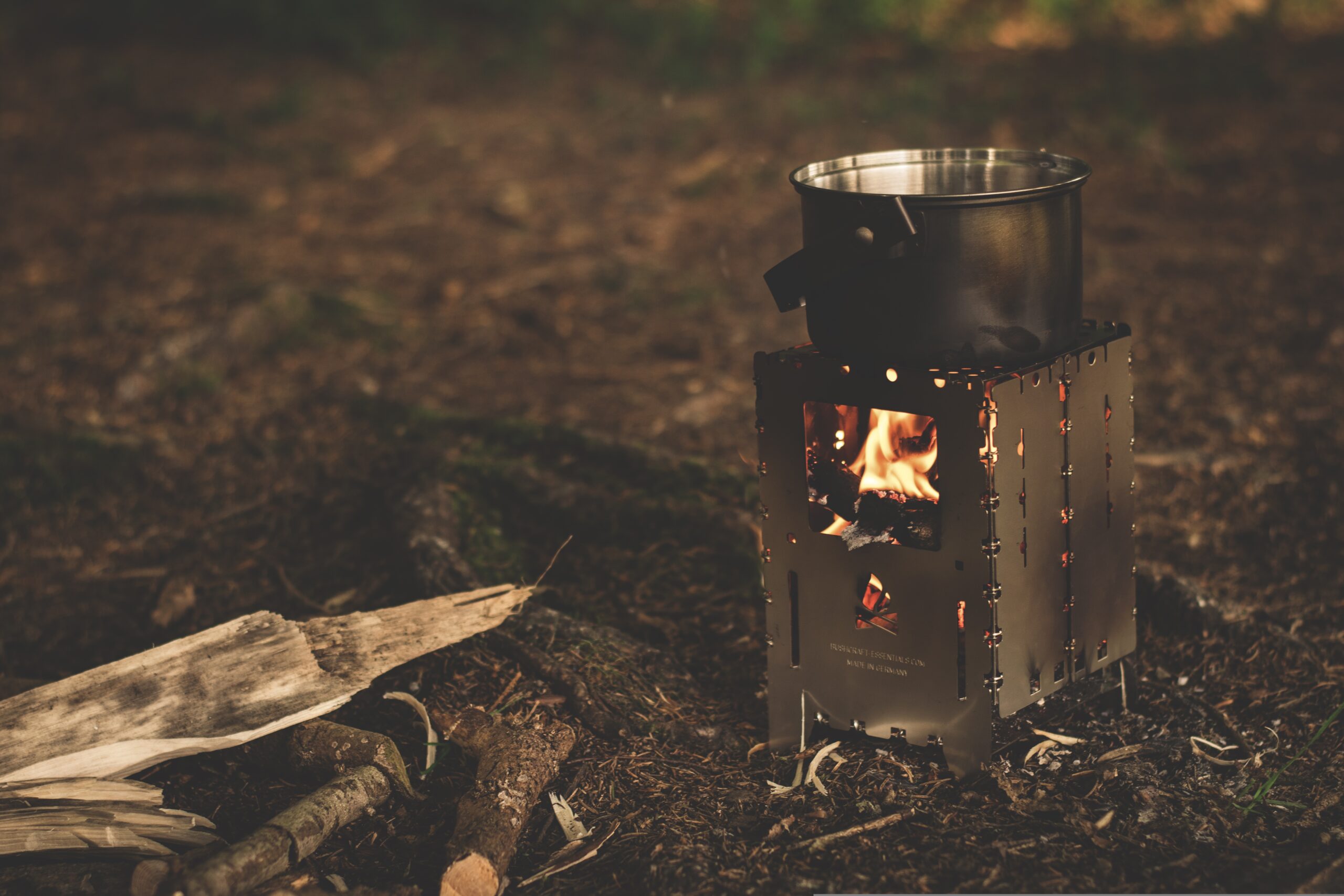
- Wood-burning stoves run on the free, renewable fuel found almost anywhere, twigs and small wood, so you never run out of fuel as long as you can gather it. Efficient designs like rocket stoves cook well on very little wood. Their downside is that they need dry wood, produce smoke, and require tending, but their fuel independence makes them excellent for long-term and off-grid use.
- Canister stoves burn pressurized gas fuel and are prized for convenience, lighting instantly and offering easy heat control, which makes them popular for backpacking. The trade-off is dependence on fuel canisters that can run out and must be stored and resupplied, and reduced performance in cold.
- Liquid-fuel stoves burn fuels like white gas and perform well in cold and at altitude, offering reliable power, though they are more complex to operate and maintain.
- Alcohol stoves are simple, lightweight, quiet, and burn a widely available fuel, favored for their reliability and minimalism, though they produce less heat and cook more slowly.
- Solar cookers use the sun’s free energy with no fuel at all, cooking for free on sunny days, though slowly and only when the sun cooperates.
Match the stove to the scenario, and consider fuel independence
The best stove depends entirely on your situation, and the single most important factor for preparedness is often fuel independence, how reliant the stove is on a fuel supply that could run out. For backpacking and short trips, a lightweight canister or alcohol stove offers convenience and low weight, since you carry only a little fuel for a known duration. For a bug-out bag, a compact stove that is light and reliable makes sense. But for long-term preparedness and off-grid living, where an emergency could last weeks and fuel resupply may be impossible, a wood-burning stove that runs on gatherable fuel offers a crucial advantage: it never leaves you unable to cook because a canister ran empty. This is why many preppers prioritize wood-burning capability for their home and long-term plans, ensuring they can always cook as long as they can gather wood, while keeping a convenient fuel-based stove for mobility. The ideal setup for comprehensive preparedness is often to have more than one type, matching each to its best use: a portable stove for the go-bag and mobility, and a fuel-independent wood-burner for extended situations at home. Thinking through your actual scenarios, how long, how mobile, how much fuel you can store or gather, guides you to the right stove or combination, and fuel independence is the factor that most distinguishes a stove that will serve you through a prolonged emergency from one that will leave you stranded when its fuel runs out.
Light any stove, every time

Affiliate note: buy through this link and ThisTracks may earn a small commission at no extra cost to you. We only list gear that is in stock and that we would carry ourselves.
Use any stove efficiently and safely
Whatever stove you choose, get the most from it by cooking efficiently, keeping lids on, matching pot to burner, and using the fuel-saving techniques in energy-efficient cooking, which stretch any stove’s fuel further. And always cook safely: the cardinal rule is never to use any fuel-burning stove indoors or in an enclosed space without proper ventilation, because all combustion produces carbon monoxide, which is invisible, odorless, and deadly. Cook outdoors or with proper ventilation, keep flammables clear, and handle fuel carefully.
One stove for each fuel type


Affiliate note: buy through these links and ThisTracks may earn a small commission at no extra cost to you. We only list gear that is in stock and that we would carry ourselves.
A core preparedness capability
Reliable cooking is essential for turning stored food into meals, boiling water to make it safe, and maintaining morale and nutrition through an emergency, which is why a good stove, or a thoughtful combination, belongs in every preparedness plan. It pairs with your ability to make fire, your food storage, and the broader capabilities of off-grid living, ensuring you can always prepare a hot, safe meal.
Survival stoves, condensed
- Stove types include wood-burning, canister, liquid-fuel, alcohol, and solar.
- Wood-burning stoves offer fuel independence; canister and alcohol offer convenience.
- Match the stove to the scenario; prioritize fuel independence for long-term use.
- Consider having both a portable stove and a fuel-independent wood-burner.
- Never burn any stove indoors without ventilation; carbon monoxide is deadly.
A dependable survival cooking stove ensures you can always turn stored food into hot meals and make water safe, a fundamental capability for any emergency or off-grid situation. Understand the trade-offs of each type, weigh fuel independence heavily for long-term preparedness, and consider having more than one stove to cover both mobility and extended situations. Choose thoughtfully, cook efficiently and always safely, and you guarantee that whatever the circumstances, your family can gather around a hot, properly cooked meal, which is both a practical necessity and a genuine comfort when times are hard.