Survival skills can feel like an endless, intimidating list, which is exactly why so many beginners freeze and never start. The truth is that all of it organizes neatly into a handful of categories, and those categories line up almost perfectly with the order your body needs them. Learn to see survival as these few buckets, prioritized by what keeps you alive first, and the overwhelming list becomes a clear curriculum you can work through one skill at a time. Here is the map.
The categories follow the Rule of Threes
Your survival priorities are set by biology, not preference: roughly three minutes without air, three hours without shelter in harsh weather, three days without water, three weeks without food. The Rule of Threes is the backbone that orders every skill category below. Learn them in this order and you are always working on what matters most.
| # | Category | Why it ranks here |
|---|---|---|
| 1 | Shelter and warmth | Exposure kills faster than thirst or hunger |
| 2 | Fire | Warmth, safe water, cooked food, signaling, and morale in one skill |
| 3 | Water | You have roughly three days before it becomes critical |
| 4 | Food | Weeks of runway, worth developing steadily |
| 5 | First aid and health | Can override every other priority instantly if ignored |
| 6 | Navigation and signaling | Knowing where you are, and being found |
1. Shelter and staying warm
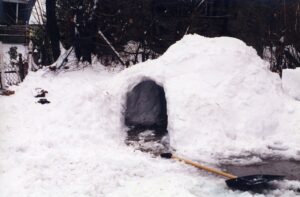
Because exposure kills faster than thirst or hunger, shelter is the first skill set after immediate safety. This category covers reading terrain for natural protection, building quick emergency shelters and more durable built shelters, insulating against the ground, and staying dry. It pairs closely with fire.
2. Fire
Fire is warmth, safe water, cooked food, signaling, and morale all in one, which is why it sits so high. The skills here run from reliable modern fire-starting to primitive fire techniques for when you have no lighter. Everyone should be able to make fire in less than ideal conditions.
3. Water
You have about three days, so finding and purifying water is a core skill, not an optional one. This category covers finding water in the wild, and making it safe by filtering, boiling, or chemical treatment. Clear water is not clean water, so purification is as important as the finding.
4. Food
Last on the survival clock but essential over time, this is the broadest category: foraging edible plants, fishing, trapping, and hunting, plus the wider homesteading skills of growing and preserving. Because you have weeks, food skills are worth developing steadily rather than in a panic.
5. First aid and health
An injury or illness can become the emergency that overrides everything else, so medical skill runs alongside all the others. Start with basic first aid, especially bleeding control and CPR, and build from there.
6. Navigation and signaling
Knowing where you are and being found are their own skills. Navigation covers map, compass, and reading the natural world, while signaling, with sound, light, and visual markers, is how a lost person gets rescued. Being found is very often faster than self-rescue.
Skills outlast supplies
Here is the reason this map matters more than any gear list: equipment can be lost, broken, stolen, or left behind, but a skill goes with you everywhere and never runs out. A person who knows how to make fire, find water, build shelter, and stop a bleed is more prepared than one who owns the gear for all four and has practiced none of it. Work through these categories deliberately, practice each skill in low-stakes conditions before you ever need it, and you build a kind of preparedness no one can take away from you.
How to actually practice this, one category at a time
The map only helps if you turn it into practice, not just reading. Pick your weakest category, most beginners find that shelter or fire, and set aside one weekend afternoon a month to work on nothing else. Build a lean-to in the backyard. Practice fire-starting with a single method until it works reliably in damp conditions, not just on a dry, calm day. Filter and drink water from a garden hose or a local creek under supervision. Skills learned in a low-stakes backyard setting transfer directly to a real situation, while skills only read about tend to evaporate exactly when adrenaline is highest.
A tool that supports many categories
While skills lead, a few well-chosen tools make almost every category easier. A solid multi-tool touches shelter, food, first aid, and repair all at once, which is exactly why multi-use gear earns its place over single-purpose gadgets.
One tool, many skills

Affiliate note: buy through this link and ThisTracks may earn a small commission at no extra cost to you. We only list gear that is in stock and that we would carry ourselves.
Tracking your own progress
A simple way to stay motivated is to keep a running note, even just a few lines in a phone app, of what you have actually practiced in each category and when. Seeing “fire: practiced twice, both successful in damp conditions” is a concrete marker of real competence, in a way that “I read an article about fire starting” is not. Revisit the note every few months and you will notice which categories have gone stale and deserve another afternoon of practice.
Common questions
Do I need to master a category before moving to the next?
“Master” is the wrong bar for a first pass. Get functionally competent, able to actually do the skill under mild pressure, then move to the next category and circle back to deepen earlier ones over time. Waiting for perfection in category one before ever touching category two means you may never reach navigation or first aid at all.
Which category should a total beginner start with?
Shelter and fire, in that order, since they address the fastest-acting threat (exposure) and unlock nearly everything else (warmth, safe water via boiling, cooked food, signaling). A weekend spent competent in both is the single highest-leverage use of a beginner’s first month.
Where do skills like navigation fit if I mostly worry about home emergencies, not wilderness ones?
The six categories were built around wilderness survival specifically, but shelter, water, food, and first aid map directly onto home and disaster preparedness too. Navigation and signaling matter less for a power outage at home and more for anyone who spends time outdoors, evacuates by unfamiliar routes, or could become lost or stranded.
The survival skill map, condensed
- All of survival organizes into a few categories, ordered by the Rule of Threes.
- Shelter and fire first, because exposure kills fastest, then water, then food.
- First aid and navigation run alongside the rest.
- Skills outlast supplies. Practice each one, in low-stakes conditions, before you need it.
- Multi-use tools support many categories at once.
Do not try to learn everything at once. Pick the top category you are weakest in, usually shelter, fire, or water, and get genuinely competent at it before moving on. Work down the map one skill at a time, practicing each in your backyard or on a calm weekend, and the intimidating world of survival skills becomes a steady, achievable path from beginner to genuinely capable.