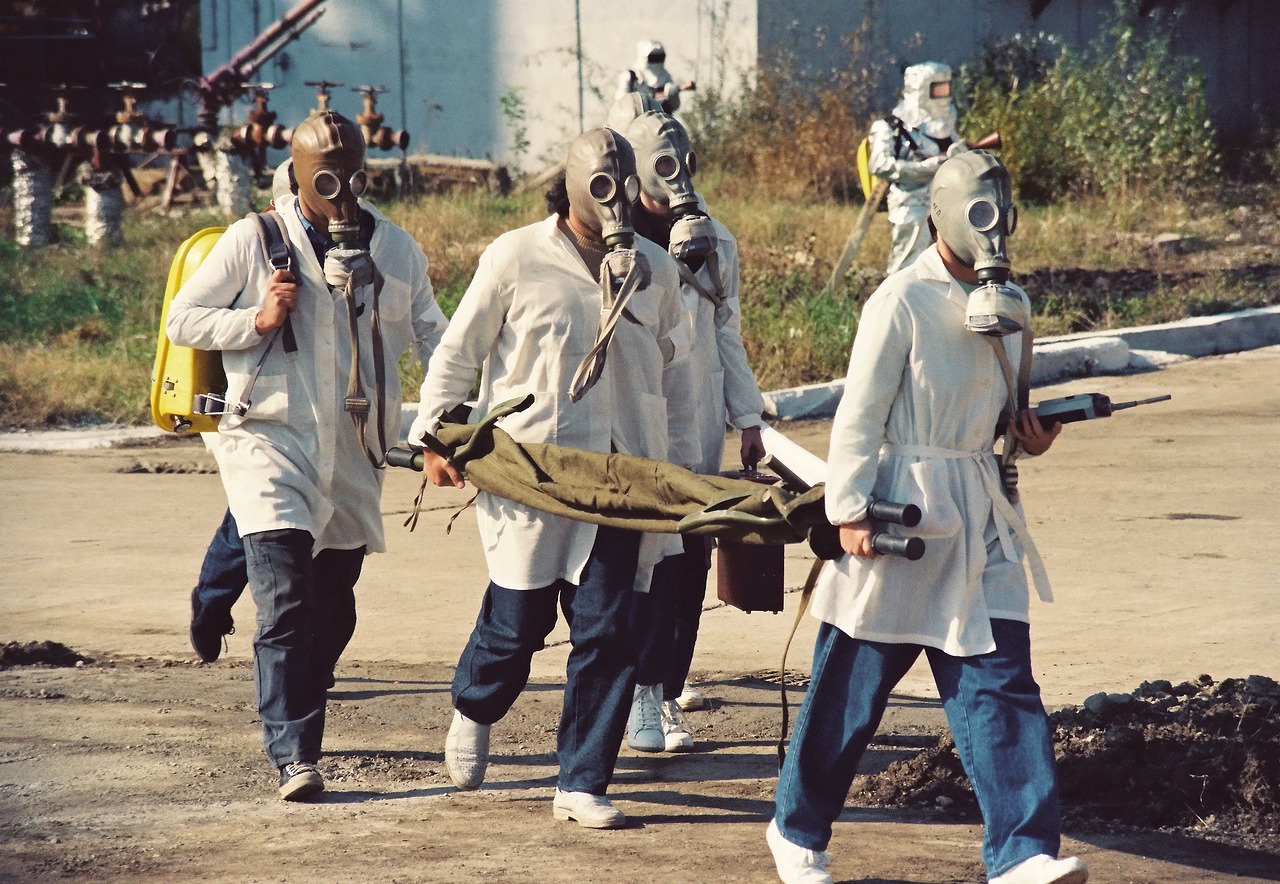
Here is an uncomfortable truth about emergencies: you will not rise to the occasion. Under real stress, adrenaline narrows your vision, clumsies your hands, and shuts down the thinking part of your brain, a well-documented effect sometimes called tunnel vision or the fight-flight-freeze response. You do not perform at your best. You fall back to the level of your training, and if you have never trained, that level is panic. Drills exist to raise the floor you fall back to, so that when the moment comes, your family does the right thing on autopilot instead of freezing.
Why most family drills fail
Most people run one fire drill, feel good about it, and never do another. The problem is that skills fade and children grow. A drill done once a year ago is a memory, not a reflex. The fix is not more elaborate drills; it is more frequent, shorter ones. A five-minute rehearsal every few months beats a two-hour production done once and forgotten, mostly because a short drill actually gets repeated while a long one keeps getting postponed until it never happens at all.
Make it a game, not a fire-and-brimstone lecture
The goal is competence without fear, especially for kids. Frame drills as a challenge or a game: who can get to the meeting point fastest, who can find the flashlight in the dark, who remembers the out-of-town number. Praise, do not scare. A child who thinks of preparedness as a family game they are good at will perform calmly in a real event, while a child who was frightened into it may freeze. Keep the tone light and the repetitions frequent.
The drills worth running
You do not need dozens. A handful, rotated through the year, cover the situations most likely to hit your family.
| Drill | What it tests | Suggested frequency |
|---|---|---|
| Fire escape | Two ways out, low-crawl, meeting point | Every 3-4 months |
| Communication check | Texting the out-of-town contact, naming both meeting points | Twice a year |
| Power-out evening | Finding lights, cooking without the stove, comfort | Once a year, in winter |
| Grab-and-go | Time to load go-bags and be in the car | Twice a year |
| Local-threat shelter drill | Getting to the safe spot or sealing a room | Once a year, before the risky season |
- Fire escape. Two ways out of every room, a crawl-low practice, and a race to the near meeting point. Run it from different rooms so no one depends on a single path.
- Communication check. Everyone texts the out-of-town contact and names both meeting points from memory. This tests your communication plan without any real emergency.
- Power-out drill. Kill the main breaker for an evening. Find the lights, cook without the stove, stay comfortable. You will discover every gap in your home kit in a single relaxed evening.
- Grab-and-go. Sound the alarm and time how long it takes everyone to get the go-bags and be in the car. Trim the time with each repetition, aiming for under five minutes once your family is practiced.
- Shelter drill. For your region’s most likely threat, tornado, earthquake, or chemical event, practice getting to the safe spot or sealing the safe room.
For the blackout drill

Affiliate note: buy through this link and ThisTracks may earn a small commission at no extra cost to you. We only list gear that is in stock and that we would carry ourselves.
Debrief every drill
The drill is only half the value; the conversation after is the other half. Spend two minutes asking what went wrong. Was a flashlight missing? Did a door stick? Did someone forget the meeting point? Fix the gap before the next drill. This tight loop of practice, debrief, and adjust is exactly how professionals train, from fire departments to hospital emergency rooms, and it turns a family’s plan from a document into a set of reflexes. Write the gaps down somewhere you will actually see them again, a sticky note on the fridge works fine, and cross each one off as you fix it.
Tie training to real skills
Beyond rehearsing your plan, build the underlying skills that drills assume. Someone in the house should know basic first aid. Everyone old enough should know how to shut off the gas, water, and power, and where the shutoffs physically are, since a plan that lives only in an adult’s head fails the moment that adult is not home. Practicing skills before you need them is the entire theme, and it is one of the fixes for the most common prepping mistakes: owning gear you have never used.
Building a simple yearly drill calendar
Most families find it easiest to anchor drills to something they already do, rather than trying to remember an arbitrary date. Run the fire escape drill when you change smoke detector batteries. Run the power-out drill on the evening you set clocks back in the fall, when it is already getting dark early and the exercise feels timely. Run the grab-and-go drill before a road trip, when the car is already getting packed anyway. Anchoring each drill to an existing habit is the single biggest predictor of whether a family actually keeps doing them past the first year, since a drill tied to nothing tends to quietly disappear from the calendar.
Common questions
My kids think drills are boring. How do I fix that without bribing them every time?
Rotate who “wins” and what the challenge is so it does not go stale, and let the kids invent a drill variant occasionally, a different room to start from, a new obstacle. Novelty keeps it a game. Save small rewards for milestones, like a personal best time on the grab-and-go, rather than every single drill.
How long should a drill actually take?
Five to fifteen minutes for most of them, including the debrief. If a drill is regularly running longer, it has probably grown too complicated to sustain, and a family is far more likely to keep doing a short drill for years than a long one for months.
What is the single biggest sign a family’s drills are actually working?
Speed and silence. A well-drilled family moves through the steps with very little talking, because everyone already knows their job. If every drill still involves shouting instructions and confusion about who does what, the reflex has not formed yet and it is worth running the same drill again sooner than planned rather than moving on.
Drills that stick
- You fall to your training, not your intentions. Raise the floor.
- Short and frequent beats long and rare. A few minutes every few months.
- Make it a game. Praise, never scare, especially with kids.
- Run five core drills: fire, comms, power-out, grab-and-go, and your local threat.
- Debrief every time, write down the gaps, and fix them before the next one.
Preparedness that lives only in a closet and a binder is fragile. Preparedness that lives in your family’s muscle memory is what actually holds up when the real thing arrives. Drill it, lightly and often, and calm becomes your default.