Here is a truth that runs against every survival instinct: when you are lost, being found is usually faster and safer than finding your own way out. People who wander in search of a trail often walk deeper into trouble, exhaust themselves, and make the search area enormous. People who stop, make themselves visible, and signal are frequently located within a day or two. Signaling for rescue is a survival skill in its own right, and knowing how to make yourself seen and heard across distance can be the difference between a scary night out and a tragedy.
The first decision: stop and stay put
The moment you realize you are lost, the wisest move is almost always to stop. Continuing to move usually makes things worse: it tires you, it can carry you further from where searchers expect you, and it expands the area they must cover. Once you stop, work the survival priorities, get shelter and stay warm and dry, and then turn your energy to being found. A person who stays in one visible place, signaling, is far easier to locate than a moving target crashing through the brush. If you told someone your plans before you left, and you always should, searchers will be looking where you said you would be.
Make yourself heard: sound signals
Sound travels where sight cannot, through trees, over ridges, and in the dark. Your voice gives out quickly and does not carry far, which is exactly why a whistle is one of the most valuable and overlooked survival tools. A whistle is louder than any shout, carries much farther, and can be blown for hours with little effort. The recognized distress signal is three of anything, so three sharp blasts, repeated, is the universal call for help.
Be heard and be seen


Affiliate note: buy through these links and ThisTracks may earn a small commission at no extra cost to you. We only list gear that is in stock and that we would carry ourselves.
Make yourself seen: visual signals
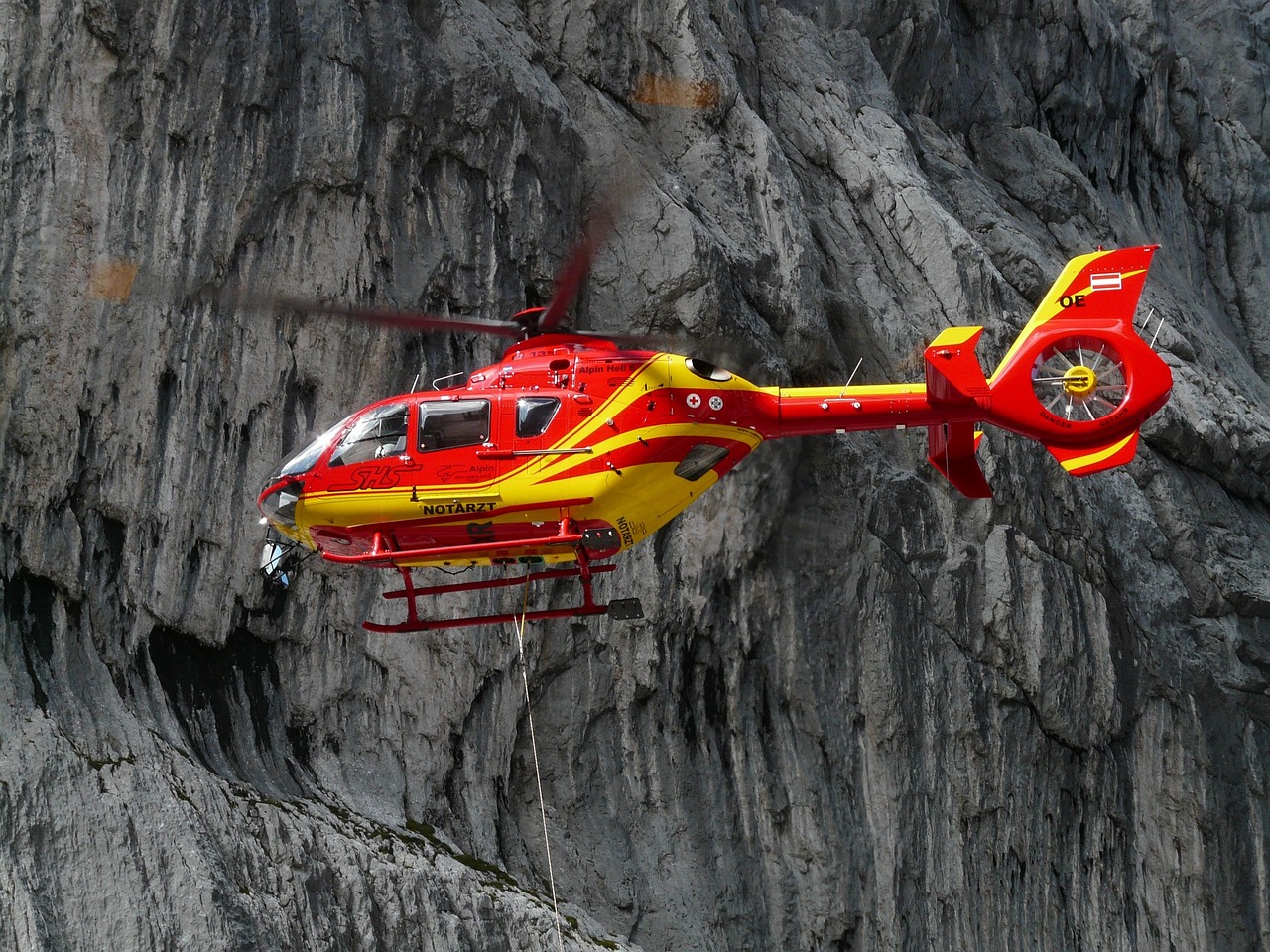
Rescuers, especially from the air, are looking for anything that stands out from nature. Give them contrast, size, and movement:
- A signal mirror flashing sunlight is visible for astonishing distances and can be aimed at a specific aircraft or distant person. Even an improvised reflective surface works.
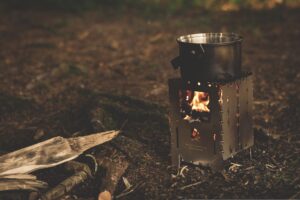
- Fire and smoke. Three fires in a triangle is a classic distress signal. By day, add green vegetation to make thick white smoke; by night, a bright flame stands out for miles. This is one more reason to master fire starting.
- Ground signals. Stamp large symbols in snow or sand, or lay out contrasting materials, gear, branches, or rocks, in huge letters. A large X means need help; SOS is universally understood. Make them far bigger than feels necessary so they read from the air.
- Bright color and movement. Wave a brightly colored garment or space blanket. Movement and unnatural color catch a searcher’s eye.
The rule of three, and preparation before you go
Across signaling, the international distress pattern is three of anything: three whistle blasts, three fires, three flashes, three shouts. Searchers are trained to recognize threes as a call for help, so build your signals around that pattern. But the most powerful rescue tool is used before you ever leave: tell a reliable person exactly where you are going and when you will be back. That single act means someone will raise the alarm and point searchers to the right area if you do not return, turning a potential disaster into a manageable search. No signal in the world helps if no one knows to look for you.
Signaling ties into the whole survival picture
Being found is one piece of a larger response. It sits alongside the survival priorities, since you shelter and stabilize first, then signal, and it pairs with knowing when self-rescue by natural navigation is truly the better choice, which is rarer than people think. In most lost-person situations, staying put and signaling is the winning play.
Signaling for rescue, condensed
- When lost, usually stop and stay put. Moving expands the search and tires you.
- Carry a whistle: louder and longer than your voice. Three blasts means help.
- A signal mirror is visible for miles; fire and smoke work day and night.
- Lay out huge ground signals; use bright color and movement for aircraft.
- Signal in threes, and always tell someone your plans before you go.
The wilderness is vast, and a single person is very small within it, which is exactly why signaling matters so much. Master the simple tools and techniques that make you loud and visible across distance, carry a whistle and mirror that weigh almost nothing, and above all tell someone where you are going. Do that, and should you ever become lost, you will be not a needle in a haystack but a bright, loud, deliberate signal that searchers can find.