Q: My phone gets emergency alerts. Why would I need a radio?
A: Because your phone’s alerts depend on two fragile things at once: cell towers with a few hours of backup power, and your battery. In the disasters where information matters most (hurricanes, ice storms, wildfires, multi-day grid failures) cell service is routinely the first thing to degrade and the last to return. Broadcast radio is the opposite: transmitters are hardened, run generators, and one tower serves a whole region whether ten people are listening or a million. When officials need to tell everyone where the shelters, boil orders, and reopened roads are, radio is the channel that still works. This guide runs Q&A style through the whole category, because that is how people actually shop for it.
Q: What are the categories, and what is each one for?
| Type | What it does | Who needs it | Typical cost |
|---|---|---|---|
| NOAA weather radio | Receives the National Weather Service’s 24/7 broadcast; alert models wake up and sound for warnings in your county | Everyone. This is the baseline. | $25-$60 |
| AM/FM receiver | News, official announcements, and morale during long outages | Everyone; usually built into the same unit | included |
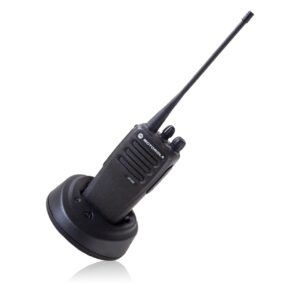
| FRS/GMRS two-way | Talking to your own people across a neighborhood or convoy; GMRS adds power and range with a cheap no-test license | Families with a local network or evacuation convoy | $30-$150/pair |
| Ham (amateur) | Two-way communication across town, region, or the world; requires a license exam | The household communicator who wants real capability | $30 to the sky |
| Satellite | Messaging anywhere on earth, no towers involved | Remote travelers and off-grid properties | $250+ and a subscription |
The one-sentence version: a NOAA/AM/FM receiver is for hearing, two-way radios are for talking, and they are not substitutes for each other.
Q: What should I look for in the receive-only radio?
Five things, in priority order:
- NOAA weather band with SAME alerting. SAME lets you program your county so the radio sounds only for warnings that affect you, which is what makes it useful at 3 a.m. A weather radio that cannot wake you is a lesser product.
- Multiple power sources. The classic emergency radio trifecta is battery, hand crank, and a small solar panel, ideally alongside USB charging. Crank power is genuinely last-ditch (a minute of cranking buys minutes of listening), but last-ditch is the whole category.
- Standard batteries. A radio that runs on AAs plugs into the same rechargeable-battery pool as your flashlights, which we covered in our backup power guide.
- A headphone jack. Cuts power draw dramatically and keeps the noise down in a shelter or a house full of sleeping kids.
- Honest simplicity. Skip the units festooned with gimmicks. You want radio, alerts, light, and charging done well; everything else is marketing weight.
Q: Should my family get two-way radios?
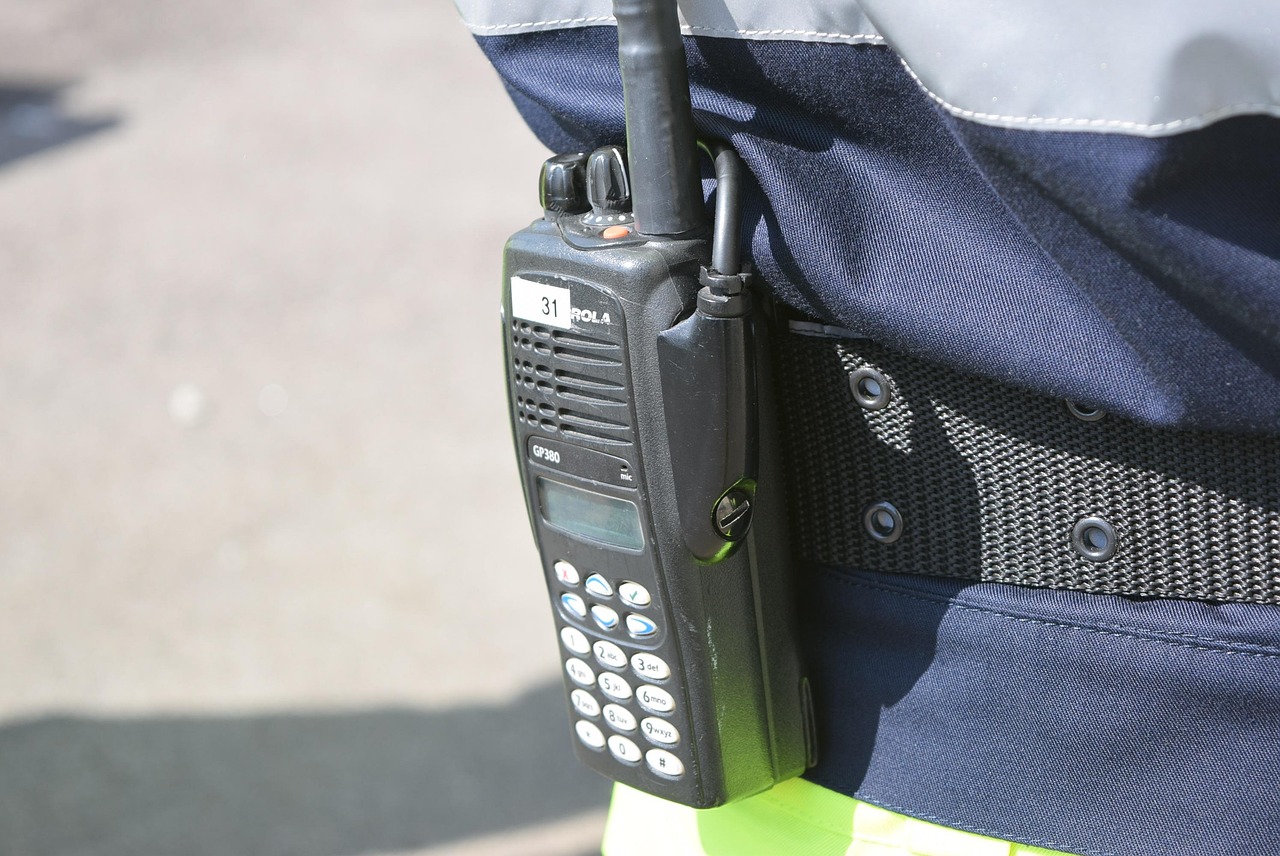
If your emergency plan involves coordinating people who are not standing next to each other (searching a neighborhood after a storm, driving two cars in an evacuation, working a rural property) then yes, and the honest advice is to skip the blister-pack FRS bubble radios’ fantasy range claims and think in real terms: FRS is good for about a half mile to a mile in terrain, GMRS repeater setups can genuinely cover a region. Program them, label them, and drill with them as part of your family communication plan, because a radio nobody has practiced with is a paperweight with an antenna.
Q: Is ham radio worth the license?
For one person per prepared household: probably yes. When everything else is down, amateur radio is the communication system that routinely still works, because it needs no infrastructure between two operators at all. The Technician exam is a weekend of study, and the capability ceiling is enormous, from handheld line-of-sight up to HF operation that crosses continents. We wrote a full walkthrough of building a ham radio station for disaster preparedness; start there if this is the branch you want to climb. And if your life or travel genuinely leaves cell coverage for days at a time, the step beyond ham is a satellite phone or messenger.
Q: What’s the right setup for a normal household?
- Now: one NOAA/AM/FM alert radio, programmed for your county, living where you sleep, with its batteries in your rotation. Under $60, done in an evening.
- Next: a pair of GMRS radios (one license covers your whole family) if your plan involves splitting up, plus the license.
- Eventually: one person studies for the Technician exam and becomes the household’s communicator.
Write your local AM news station and NOAA frequency on a card taped to the radio. Under stress, nobody remembers frequencies.
Keep the radio (and the phone) alive


Affiliate note: buy through these links and ThisTracks may earn a small commission at no extra cost to you. We only list gear that is in stock and that we would carry ourselves.
A frank note on products: our current affiliate catalog’s emergency radios are out of stock as we update this guide, and we do not link gear we cannot verify is available. The buying criteria above are the durable part anyway; they will outlast any particular model year. We will add verified picks when stock returns.
Emergency radios, condensed
- Phones die with the towers; broadcast radio is the information channel built to survive disasters.
- Baseline for every household: a NOAA alert radio with SAME county programming, multi-power, on standard batteries.
- Receive-only is for hearing; FRS/GMRS is for talking to your own people; they are not substitutes.
- One ham license per household unlocks the deepest capability; the Technician exam is a weekend of study.
- Drill with whatever you buy; an unpracticed radio is a paperweight with an antenna.
Information is the supply people forget to store. Water keeps you alive, but information tells you whether to shelter or leave, which road is open, and when the all-clear is real, exactly the decisions we walk through in surviving a long-term power grid failure. A $50 radio and a programmed county code buy you a reliable feed of it for the next twenty years. Few preparedness dollars work harder.
Last updated: July 18, 2026