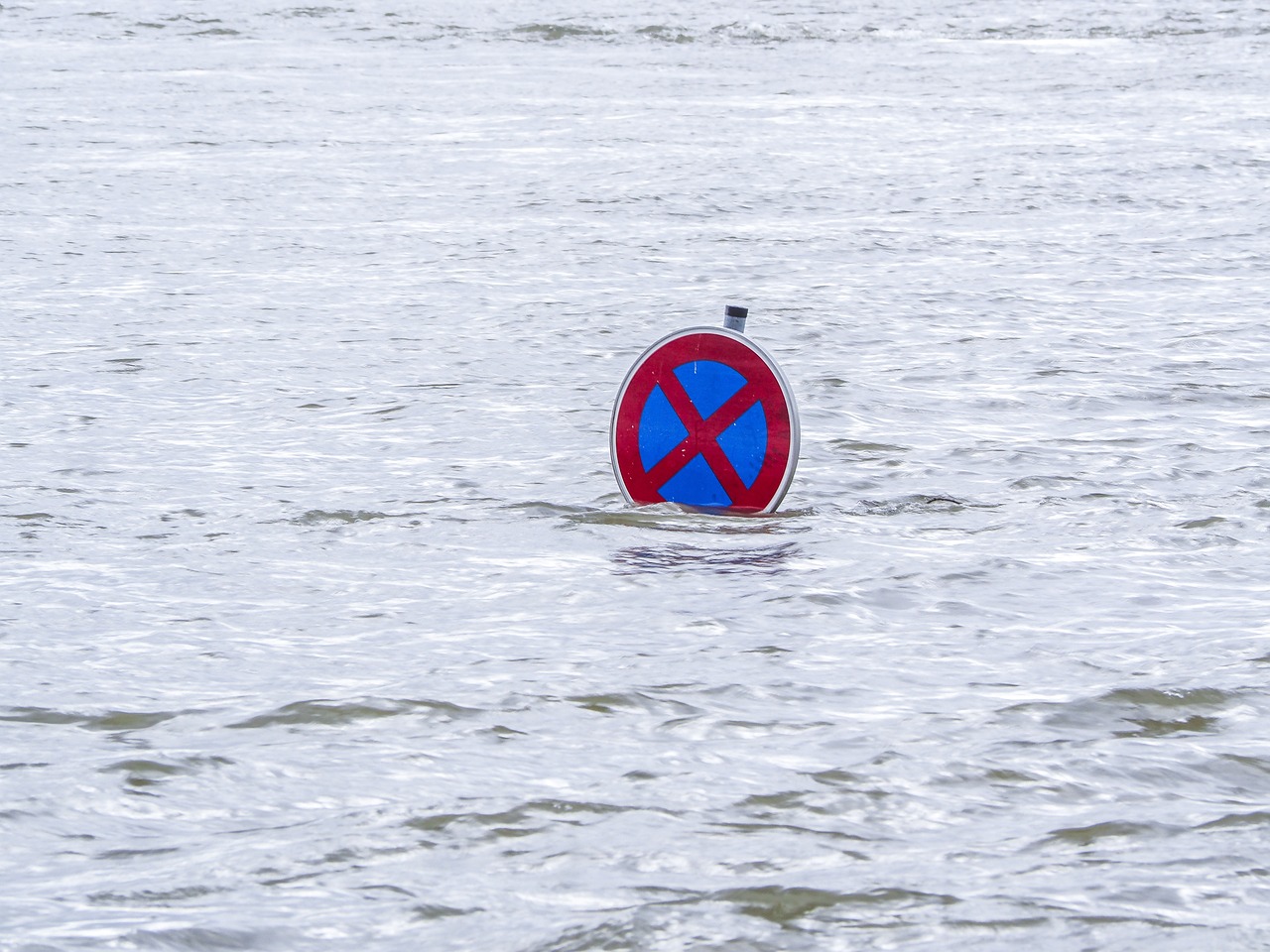
Flooding is the most common and most widely underestimated natural disaster there is. It does not require a hurricane or a river you live beside. A slow afternoon of heavy rain, a flash flood in a dry wash, a failed storm drain, or a burst levee can put water where it has never been in living memory. And because floods so often catch people off guard, they cause more of a certain kind of death than almost any other disaster: the death of someone who thought they could drive through the water.
The rule that would save the most lives
If you remember nothing else, remember this: turn around, do not drown. Most flood deaths happen in vehicles, when people drive into water they cannot judge. The reasons are simple and deadly:
- Just six inches of moving water can knock an adult off their feet.
- Twelve inches can float many cars, and two feet will carry away most vehicles, including trucks and SUVs.
- You cannot see what the water has done to the road beneath it. It may be gone entirely.
A flooded road is never worth the risk. Turn around and find another way, every single time, day or night. No destination is worth your life, and no vehicle is a match for moving water.
Flash floods give almost no warning
The most dangerous floods are flash floods, which can turn a dry creek bed or a quiet street into a deadly torrent in minutes. If you are in flash-flood country, in canyons, near washes, or below dams, treat heavy rain as a serious signal and move to higher ground before the water arrives, not after. At night, when you cannot see the water rising, this caution matters even more. When a flash flood warning is issued, get to high ground immediately rather than waiting to confirm the threat with your own eyes.
Before the water comes
Know your risk first. Find out whether you live in a flood zone and whether your area is prone to flash flooding, because your whole plan depends on it. FEMA’s flood map service lets you check your specific address against official flood zone designations in a few minutes. Then prepare:
- Protect what matters. Keep important documents and valuables in waterproof containers, stored up high. Know that standard homeowner’s insurance usually does not cover flooding; separate flood coverage often has a waiting period, commonly 30 days, so arrange it long before a threat.
- Plan your high ground. Know the elevation routes out of your area and where you would go, tied to your evacuation plan.
- Prepare to move quickly. If flooding threatens, move vehicles and valuables to higher ground early and be ready to evacuate on the first warning.
Reading the two warning levels
| Alert | What it means | What to do |
|---|---|---|
| Flood Watch | Conditions favor flooding; not yet happening | Stay alert, review your plan, avoid low-lying travel if possible |
| Flood Warning | Flooding is imminent or occurring | Move to higher ground now; avoid all flooded roads |
| Flash Flood Warning | Life-threatening flooding within hours or minutes | Act immediately; do not wait to see the water |
During and after: the water is dirtier than it looks
Floodwater is not just water. It carries sewage, chemicals, sharp debris, and sometimes displaced animals, and it may conceal downed power lines that electrify it. Stay out of it whenever you possibly can. If you must move through shallow, still water, wear sturdy boots and use a stick to probe for holes and hazards ahead of you.
After a flood, the contamination is the lingering danger. Do not drink tap water until officials declare it safe, and rely on stored or filtered water in the meantime. Throw out any food that touched floodwater. Be cautious re-entering buildings, watch for weakened floors and hidden damage, and protect yourself against the mold that follows standing water within a day or two.
Safe water when the supply is fouled


Affiliate note: buy through these links and ThisTracks may earn a small commission at no extra cost to you. We only list gear that is in stock and that we would carry ourselves.
Protecting the home itself, not just the people in it
A few structural steps meaningfully reduce flood damage for homeowners in flood-prone areas: elevating utilities like water heaters and electrical panels above expected flood levels, installing check valves on sewer lines to prevent backflow into the home, and grading the yard so water flows away from the foundation rather than toward it. None of these are weekend projects, but each one is worth researching and budgeting for if you own a home in a mapped flood zone, since the cost is typically a fraction of what flood damage itself runs.
Common questions
Can flooding really happen far from any river or coastline?
Yes, and it is one of the most underestimated flood risks. Urban flash flooding happens anywhere pavement and storm drains cannot keep up with heavy rainfall, and low-lying spots miles from any waterway can flood in a hard downpour. Checking a flood map is worthwhile even if you feel confident you are “nowhere near water.”
How long does a typical flood insurance waiting period actually last?
Most standard flood policies through the National Flood Insurance Program carry a 30-day waiting period before coverage takes effect, with some exceptions around loan closings. This is exactly why “I’ll get flood insurance once a storm is forecast” does not work as a plan; the policy needs to already be in place.
Is bottled water enough, or do I need a filter for flood aftermath specifically?
Bottled water is fine for a short boil-water notice, but flood aftermath boil-water advisories sometimes last a week or more across a wide area, which can outlast a modest bottled water supply. A filter as backup means you are not dependent on stores restocking bottled water in the same disrupted period.
Flood safety, condensed
- Turn around, do not drown. Six inches moves you; two feet moves your car.
- Flash floods give almost no warning. Move to high ground on the warning, not after.
- Know your flood zone and arrange flood insurance well in advance (30-day waiting period).
- Floodwater hides sewage, debris, and live wires. Stay out of it.
- After: treat tap water as unsafe, discard flooded food, watch for mold.
Flooding earns its reputation as the disaster that catches people off guard, but it does not have to catch you. Know your risk, respect the water, keep a way to make it safe, and above all, never gamble on a flooded road. That one habit alone puts you ahead of the majority of people who lose their lives to a hazard they thought they could drive straight through.