Modern shelves look permanently full, right up until the moment they are not. Most of us learned during recent years just how thin the supply chain really is: a single disruption somewhere far away, and suddenly the everyday things we assumed would always be there, from paper goods to medications to basic groceries, simply were not. Supply-chain preparedness is not about hoarding. It is about building a personal buffer so that when the shelves go bare, your household barely notices, and about being the family that does not have to join the panic-buying scrum.
Why the shelves empty so fast
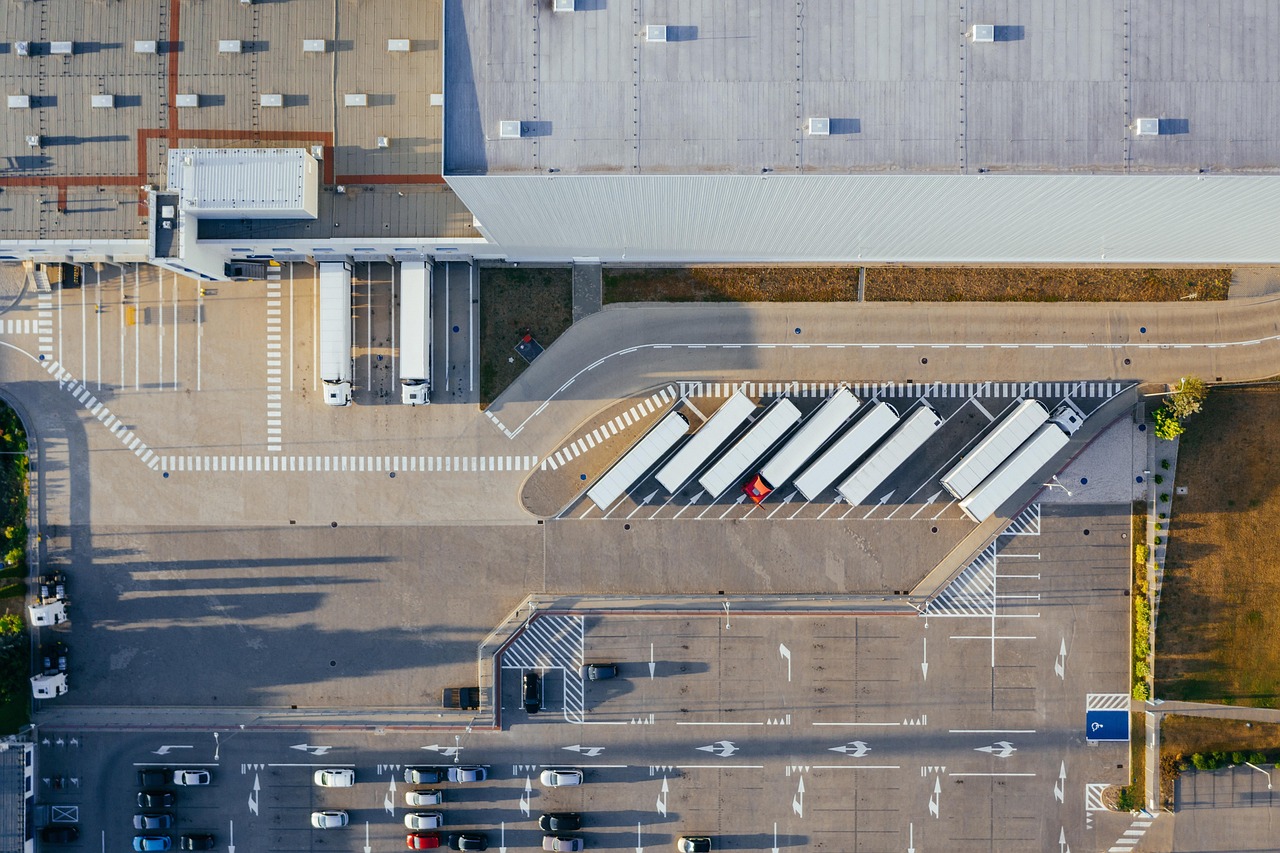
Understanding the fragility helps you prepare intelligently. Modern retail runs on just-in-time delivery, meaning stores keep very little back stock and rely on constant resupply. That is efficient and cheap, and it also means there is no cushion. When demand spikes or a link in the chain breaks, a store can sell out in hours and stay empty for days or weeks, because there was never a warehouse of extra sitting behind it. A shortage anywhere ripples everywhere, and it happens far faster than most people expect.
The rolling pantry beats the panic stockpile
The smartest defense against shortages is not a dramatic one-time stockpile; it is a deep, rotating pantry of what you already use. Buy a little extra of your normal staples every shopping trip, always use the oldest first, and keep the shelf full. Done consistently, this gives you weeks or months of buffer that costs almost nothing extra, never expires because you are constantly eating through it, and requires zero panic. When a shortage hits, you simply keep living off your shelf and skip the empty aisles entirely. This is the same store-what-you-eat principle behind all good food storage, aimed at shortages instead of outages.
Do not stock food alone
Food shortages get the attention, but the disruptions that catch people hardest are often the non-food items they never thought to buy ahead. Build a modest buffer of the things that are miserable to run out of:
| Category | Examples |
|---|---|
| Medications and health | Prescription buffer, over-the-counter basics, first aid, personal care |
| Hygiene and sanitation | Paper goods, soap, cleaning supplies |
| Household consumables | Batteries, light bulbs, pet food |
| Repair and maintenance | Vehicle and home parts that are hard to source in a shortage |
- Medications and health supplies: a buffer of any prescriptions, plus over-the-counter basics, first aid, and personal care items.
- Hygiene and sanitation: the paper goods, soap, and cleaning supplies that vanished first in recent memory.
- Household consumables: batteries, light bulbs, pet food, and anything your specific household depends on.
- Repair and maintenance items: the parts and supplies that keep your home and vehicles running when replacements are hard to find.
A deep-pantry backstop


Affiliate note: buy through these links and ThisTracks may earn a small commission at no extra cost to you. We only list gear that is in stock and that we would carry ourselves.
Reduce what you need to buy at all
The deepest form of supply-chain resilience is needing the chain less. Every item you can produce, preserve, or do without is one that a shortage cannot touch. Growing even a little of your own food, learning to preserve a harvest, and generally reducing your dependence on fragile systems shrinks your exposure. You do not have to become fully self-sufficient to benefit; every step in that direction is one fewer empty shelf that can hurt you.
Buy ahead, not in a panic
There is a crucial difference between the prepared family and the panic buyer. The prepared family bought its buffer quietly, over months, at normal prices, before anyone else was worried. The panic buyer fights crowds for the last items at inflated prices during the shortage itself. Building your buffer now, calmly and gradually, is both cheaper and kinder, because it means you are not competing for scarce goods when the crunch comes. It also leaves more on the shelf for those who did not prepare.
Reading early warning signs
A shortage rarely arrives with no warning at all, if you know what to watch for. News of a factory closure, a shipping bottleneck, a labor dispute at a major port, or a severe weather event hitting a region that supplies a specific good are all early signals worth acting on quietly. You do not need to react to every headline, but a household that notices “there was flooding near a major fertilizer plant” and adds a bit of extra canned goods that week is simply paying attention, not panicking, and that small habit compounds into real resilience over time.
A simple monthly buffer-building habit
Rather than a single big shopping trip, fold buffer-building into your existing routine. Add two or three extra items from your normal list every regular grocery run, rotate them to the back of the shelf, and use the oldest stock first. Over six months this quietly builds a real buffer without ever feeling like a project, and the cost is spread thin enough across many small purchases that most households never notice it in the budget.
Common questions
How deep a buffer is actually reasonable for a normal household?
Two to four weeks of a rotating buffer covers the vast majority of real-world disruptions, which tend to resolve within days to a few weeks. A deeper reserve, a few months, is a reasonable next step for households wanting more cushion, but it is a refinement on the two-to-four-week base, not a replacement for it.
Is it worth stockpiling brand-specific items my family relies on?
Yes, more than generic categories. A shortage often hits a specific brand or product line before it hits an entire category, so if your household depends on a particular medication formulation or a specific dietary product, that item deserves extra buffer beyond the general plan.
Does buying in bulk during a shortage ever make sense?
Rarely, and it usually backfires. Bulk buying during an active shortage is exactly the panic behavior that worsens the shortage for everyone, including you, by triggering further hoarding and empty shelves. The entire point of building a buffer in advance is so you never have to be the person buying in a panic once a shortage is already underway.
Shortage readiness, condensed
- Just-in-time retail has no cushion. Shelves empty in hours, refill in weeks.
- Build a deep, rotating pantry of what you already eat and use.
- Stock non-food items too: medications, hygiene, batteries, pet food, repair parts.
- Reduce what you need to buy by producing and preserving your own.
- Buy your buffer ahead, calmly and cheaply, not in a panic, and watch for early warning signs.
Supply-chain disruptions will keep happening, because the efficiency that keeps shelves full in normal times is exactly what makes them empty so fast in abnormal ones. You cannot fix the global supply chain, but you can build a personal one, a quiet buffer of the things your household needs, so that the next shortage is something you read about rather than something you live through.